designing with 100% linen: what to know before you order custom
The short answer
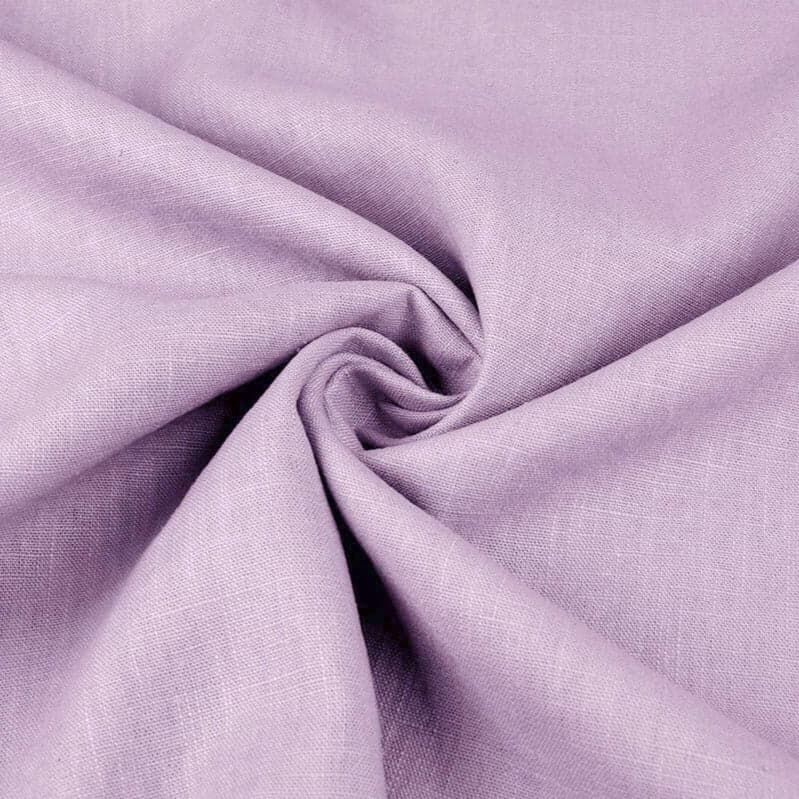
Linen is having a permanent moment — and for custom-made clothing it’s one of the smartest fabrics you can choose. It’s also one of the most misunderstood. Here’s what 100% linen actually does on a body, which designs it flatters, and what to decide before you order a custom linen piece.
Why linen suits made-to-measure
Off-the-rack linen is a gamble: it’s a fabric with strong opinions, and mass production ignores them. Custom flips that.
- Linen rewards precise fit. Because linen holds a slightly crisp, sculptural line, a well-cut linen garment looks intentional in a way soft jersey never has to. Poorly fitted linen, on the other hand, looks like a sack. Made-to-measure removes the gamble.
- It softens to you. Linen gets softer and more relaxed with every wash without losing strength. A custom piece cut to your body ages into a garment that’s unmistakably yours.
- It’s honest. Pure linen breathes, dries fast, and handles heat better than almost anything. For Australian summers it’s close to unbeatable.
The wrinkle question, answered honestly
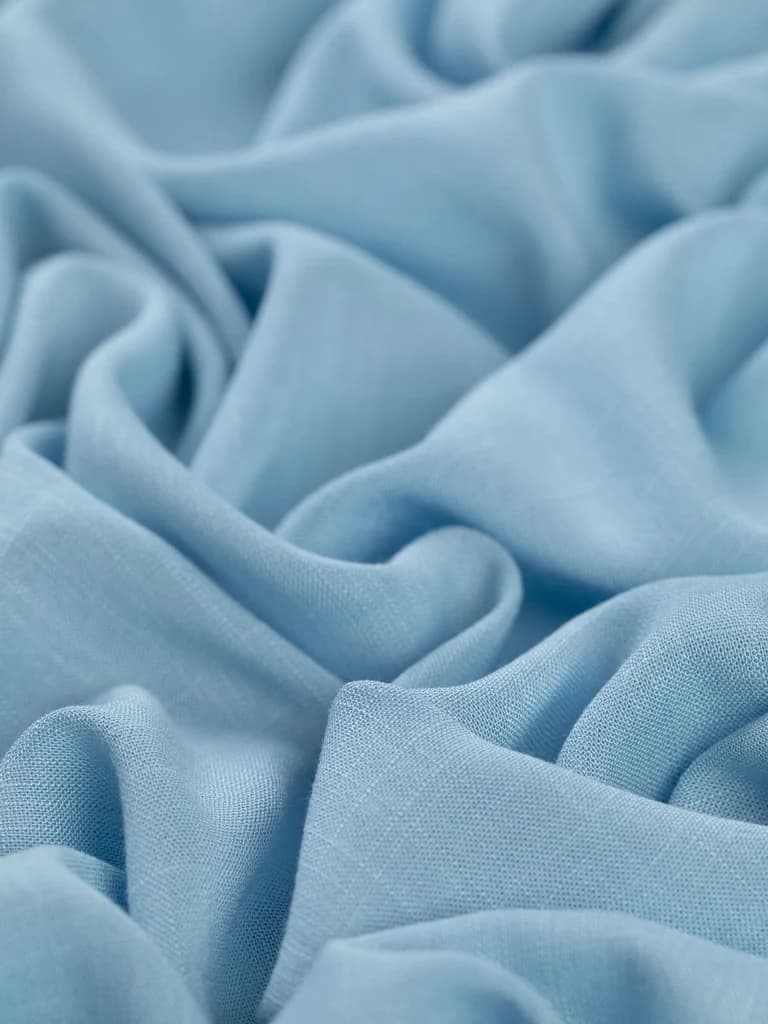
Yes, 100% linen creases. That’s not a flaw to design around — it’s the look. The crumple of worn linen reads as relaxed and expensive at the same time, which is why nobody irons a linen shirt at a beach club.
If visible creasing genuinely bothers you, your options are: choose a heavier-weight linen (creases fall out faster and read softer), design looser silhouettes where creases disappear into volume, or accept a linen blend — but then it’s no longer this article’s fabric. (If staying crease-free matters more to you than breathability, that’s one of the honest cases for a synthetic — see our honest take on polyester.) For a piece you’ll sit in all day (fitted pencil skirt, sheath dress), pure linen will crease across the lap; know that going in.
Weights, and what to design in each
Linen comes in weights, and the weight decides the garment:
| Weight | Grams per square metre | What to design in it |
|---|---|---|
| Lightweight | under ~150 gsm | Shirts, loose blouses, floaty dresses, summer scarves. Semi-sheer in pale colours — consider lining or a slip for dresses. |
| Midweight | ~150–250 gsm | The sweet spot for most garments. Dresses, skirts, relaxed trousers, shirt-dresses. Enough body to hold a shape, enough movement to swish. |
| Heavyweight | 250+ gsm | Structured pieces — jackets, sharply pleated skirts, sturdy trousers, and tote bags. Holds a crease beautifully when pressed, holds a silhouette all day. |
Heavyweight linen is also the cloth for a bag that has to carry real weight — see our guide to designing your own tote bag online.
Designs that love linen
- The shirt-dress. Linen’s slight crispness keeps the collar and placket sharp while the skirt relaxes. Arguably the single best linen garment.
- Wide-leg trousers. Midweight linen falls straight and moves with air behind it.
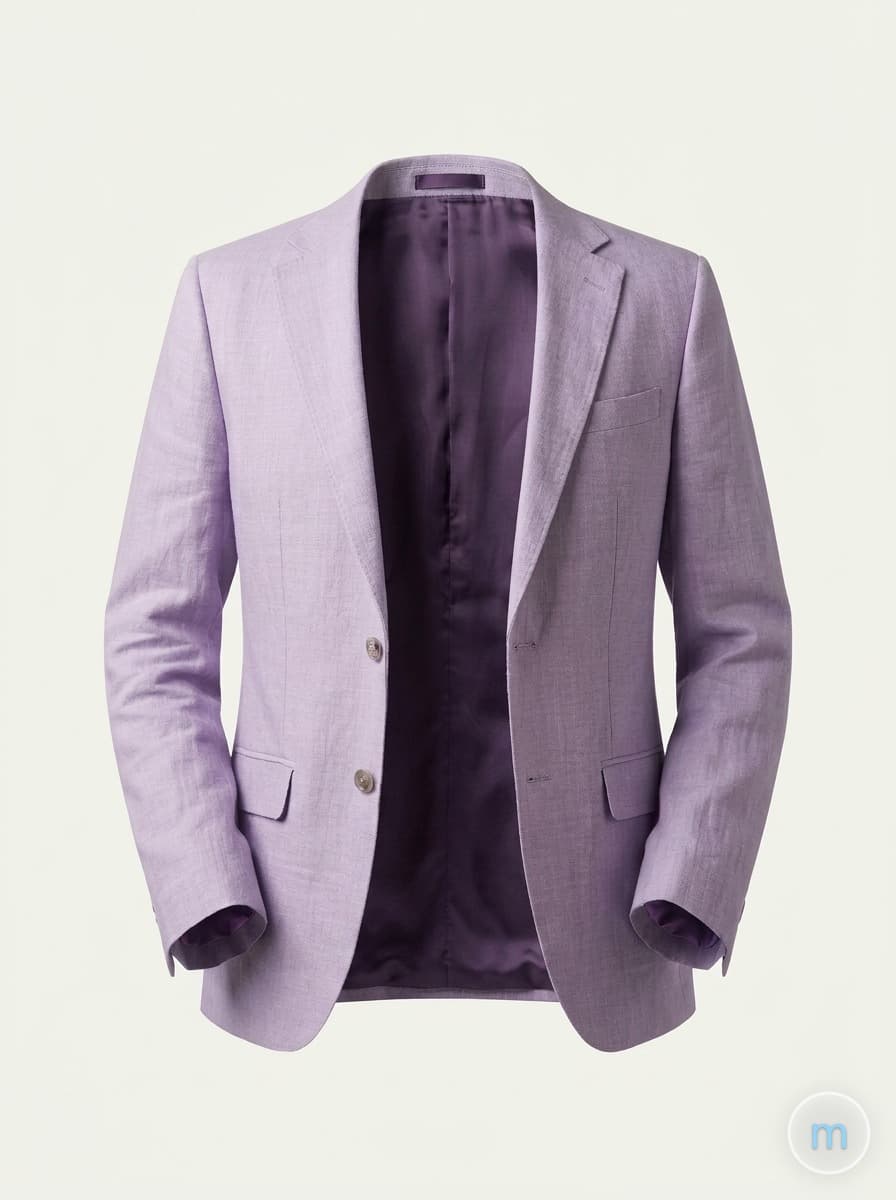
- The boxy jacket. Heavyweight linen holds the shape without shoulder pads or fusing.
- A full or pleated skirt. Linen pleats press crisply and soften gracefully.
- The apron or wrap dress. Adjustable styles suit linen’s relaxing-over-time character.
Designs to be cautious with: anything bias-cut and clingy (linen doesn’t cling), and tightly fitted bodices without ease (linen has almost no stretch — your maker will build in wearing ease, so trust the measurements process).
Colour and character
Undyed and naturally-toned linens — oat, flax, stone — show the fabric’s texture best and hide nothing. Deep dyed colours look rich in linen because the slubby weave catches light unevenly. And linen takes embroidery exceptionally well, if you want a personal detail.
Ordering a custom linen piece
When you request a quote for a linen design at MadeApt, specify (or ask about) the weight — it changes both the drape and the price. Our makers work with pure linen regularly and will flag if your chosen design and weight are pulling in different directions, before anything is cut. Every order is quality-checked at each stage, and linen’s durability means the piece you receive is one you’ll be wearing for years — softer every summer.
Design it once, in your size, in a fabric that gets better with age. That’s the whole case for custom linen. Have a length of linen already? Read whether to supply your own fabric before you post it.
Looking for the dress itself? See our custom-made dresses: sewn to your measurements by a vetted tailor, from $229 USD, in about four weeks including shipping.
Related guides
design your own tote bag online
Heavyweight linen or canvas, no measurements, one bag made for you.
can I supply my own fabric for a custom garment?
Yes — but it rarely saves money, and it moves the fabric risk onto you.
custom made pants for women
Which fabric each silhouette needs — including where midweight linen wide-legs fit in.
turn a fashion sketch into a digital clothing concept
Attach real fabric to the concept before you request a quote.
Design your linen piece
MadeApt connects you with vetted artisan makers who are paid fairly for skilled work. Request a quote on any design — honest fabric advice included.