turn a fashion sketch into a digital clothing concept
The short answer
That sketch in your notebook — the one you keep coming back to — can become a digital clothing concept you can refine, visualise and eventually have made. Here’s the workflow that actually works, including what the tools get right and what you’ll need to correct yourself.
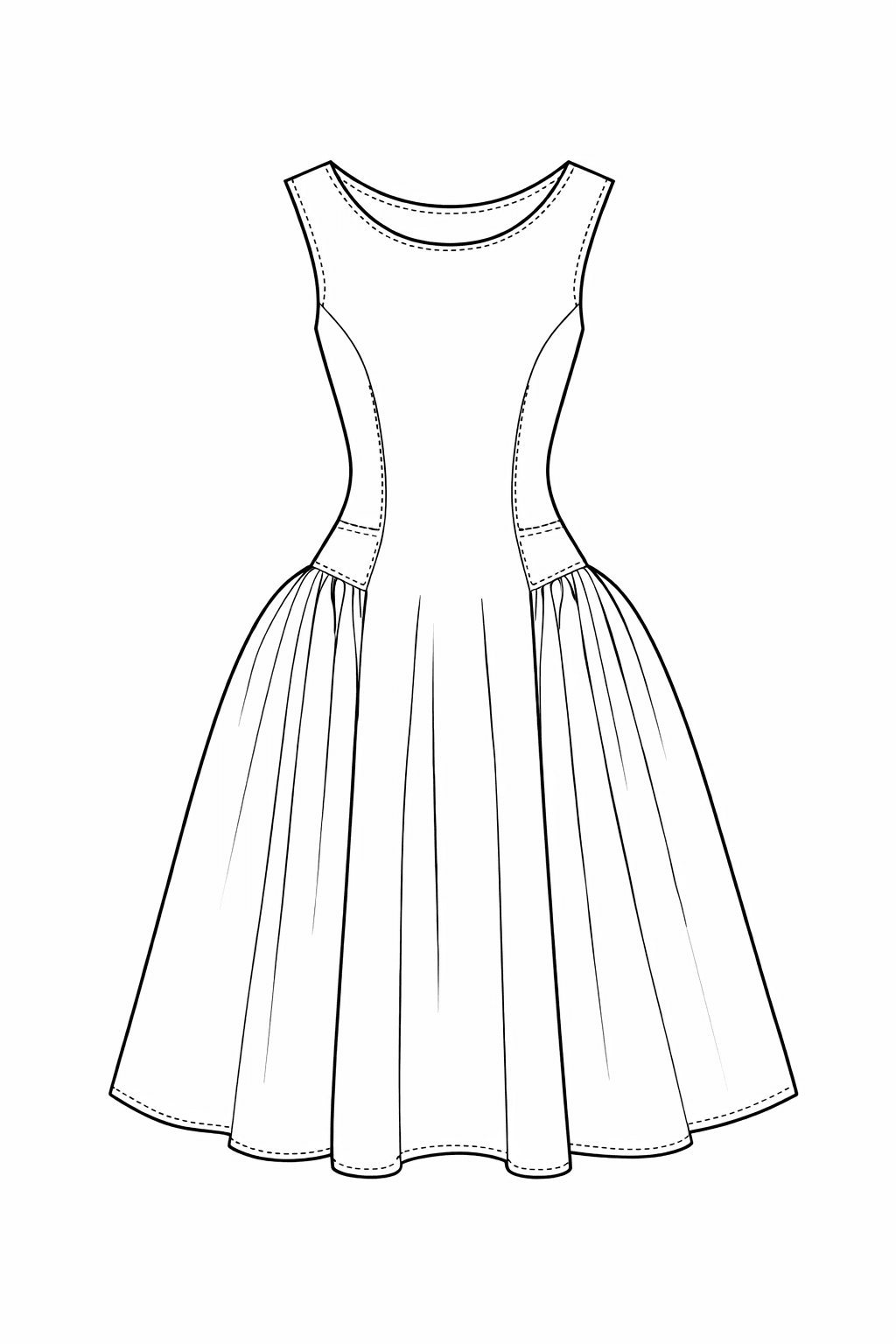
Capture the sketch properly
Photograph your sketch in flat, even daylight, straight-on, with the page filling the frame. Avoid shadows across the paper and skip the flash. If the sketch is in pencil, increase the contrast slightly before uploading — faint lines are the most common reason a tool misreads a design.
Don’t redraw it “neater” first. Rough sketches often carry the gesture and proportion that made you like the design; a stiff redraw can lose exactly that.
Upload and let the tool interpret it
Upload the sketch to the MadeApt design studio and let it generate a digital concept. This is where expectations matter, so here’s the honest breakdown.
What the tool reliably preserves
- Overall silhouette — fitted vs flowing, hem length, general shape
- Major design lines — necklines, waist seams, obvious panels
- The mood — a soft romantic sketch tends to produce a soft romantic concept
What usually needs correcting
- Construction details. A tool doesn’t know whether that line is a seam, a fold or a shadow. Check every line it interpreted and fix the ones it guessed wrong.
- Proportion drift. Fashion sketches are drawn on nine-heads-tall figures; real bodies aren’t. Expect to adjust lengths and volumes toward reality.
- Ambiguous details. A scribbled cuff might come back as a plain hem. Anything you drew loosely, specify explicitly.
- Fabric behaviour. The concept shows a shape, not physics. Whether that skirt actually falls that way depends on fabric choice — which comes next.
Treat the first output as a translation draft, not a final. Two or three correction passes is normal and fast.
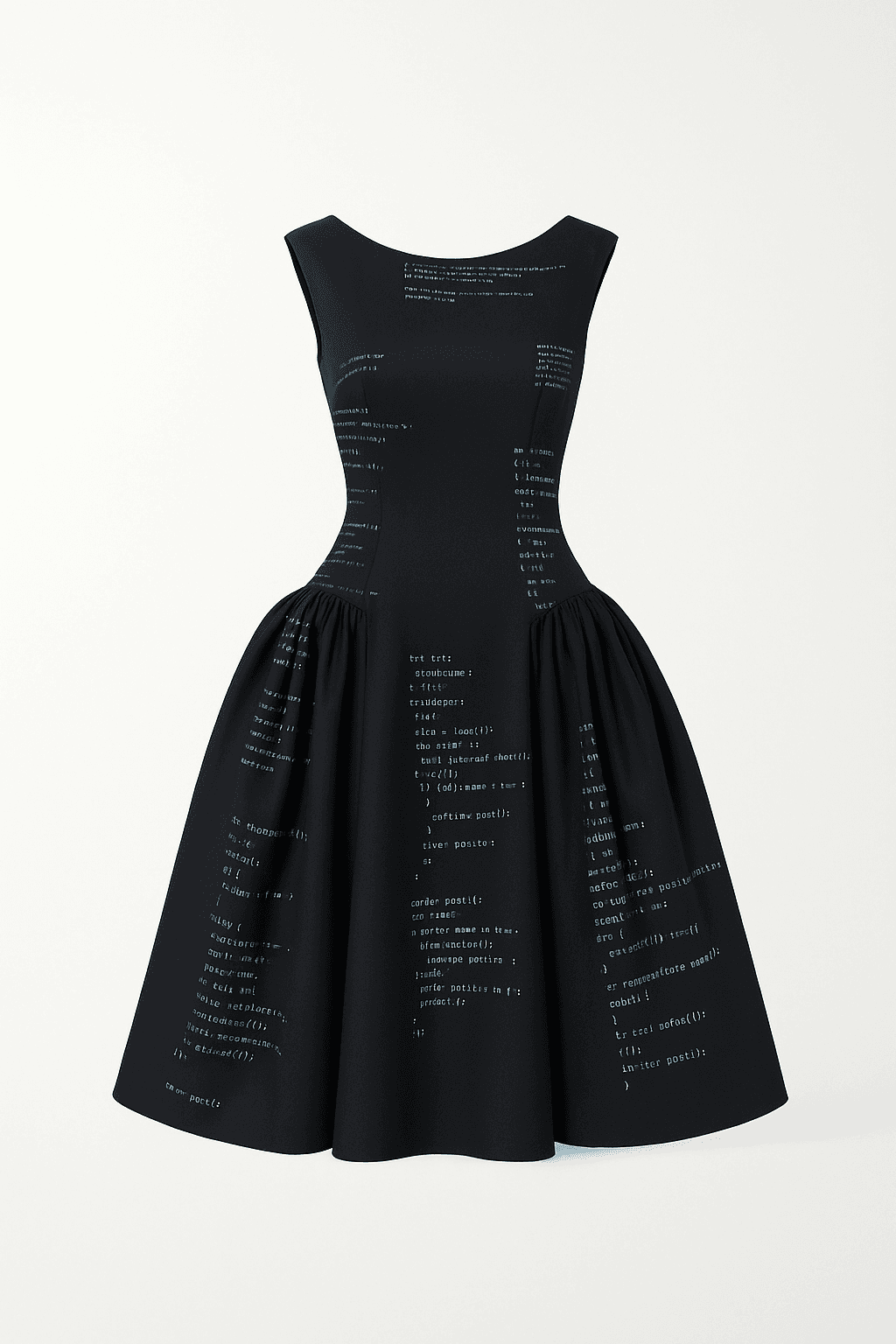
Make the implicit explicit
Your sketch holds decisions you made without noticing — now name them. Where exactly does the waist sit? Is the sleeve fitted or eased? Is that neckline wide or deep? Work through the concept and pin each ambiguity down. This is also the moment to test variations cheaply: same design, three colourways, or two sleeve options side by side.
Reality-check with fabric
A digital concept becomes an achievable garment the moment you attach a fabric to it. Structured shapes need body — a crisp cotton, a heavier weave. Fluid shapes need drape — viscose, silk, fine linen. If your sketch shows both a sharp structured bodice and a liquid flowing skirt, that’s fine: it just means two fabrics, which is worth knowing before you request a quote.
If you’re unsure, this is exactly the question to ask when you request a quote — a maker can look at the concept and tell you what the shape needs.
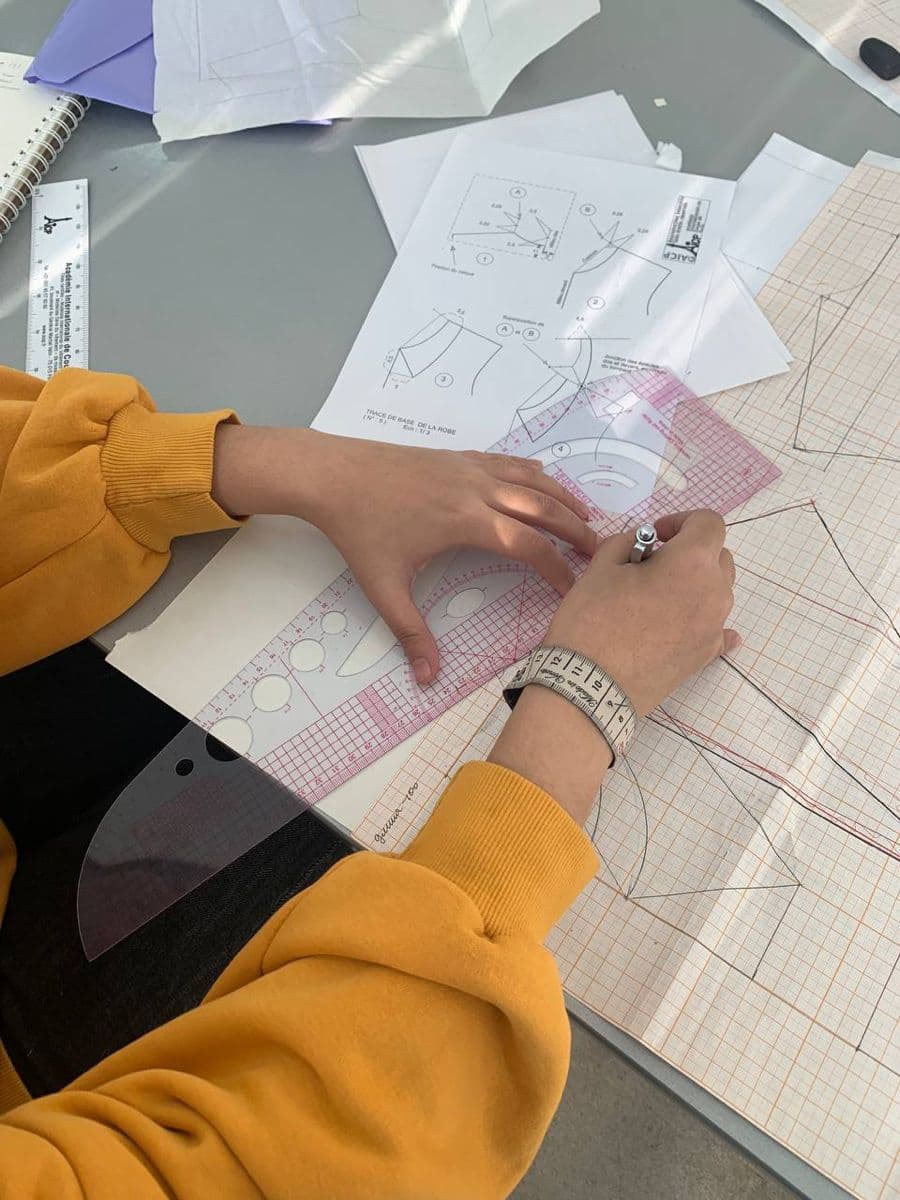
From concept to something you can hold
Once the digital concept matches the sketch in your head, you can visualise it on a body, and — when you’re ready — send it to a vetted maker to be made to your measurements. The concept plus your notes becomes a technical brief, so the maker sews what you designed, not their guess at it.
The point of all this
The gap between “people who sketch clothes” and “people whose clothes exist” has never been about talent. It’s been about access to the steps in between. Digitise the sketch, correct the interpretation, commit the ambiguities, attach real fabric — and the sketch in your notebook becomes a garment in your wardrobe.
Pick your favourite sketch and start with step 1.
Looking for the dress itself? See our custom-made dresses: sewn to your measurements by a vetted tailor, from $229 USD, in about four weeks including shipping.
Related guides
can you get a dress made from a picture?
One image is enough to begin — the photos, measurements and notes a tailor needs to make it.
how to design a dress with AI
From first prompt to finished garment, and the human feasibility check before anything is cut.
five fashion design briefs to practise online
Constraints that force decisions — five briefs, each building a different skill.
from AI design to tech pack
A render is a picture; a maker needs a spec. What the brief must contain.
Start with step 1
MadeApt is a design studio and made-to-measure platform connecting you with vetted artisan makers, paid fairly for skilled work.