can I supply my own fabric for a custom garment?
send it for love, provenance or uniqueness. not to save money.
The short answer
Yes. Most tailors and made-to-measure services, ours included, will work with fabric you supply. But it usually doesn’t save you money, shipping fabric costs more than you expect, and if the fabric fails during or after making, the labour is still owed.
Those three caveats are the part almost nobody publishes. This guide covers all of it — how much fabric to send, how to ship it, what a good tailor checks before cutting, and exactly where responsibility sits when something goes wrong.
Show us your fabric →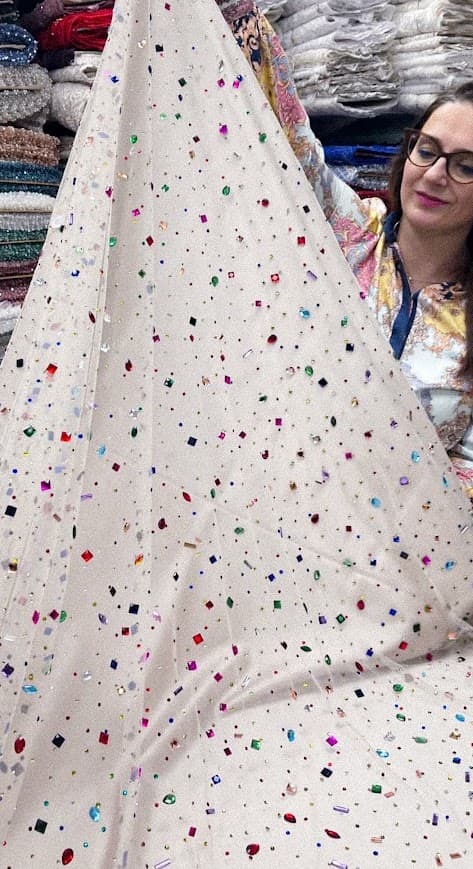
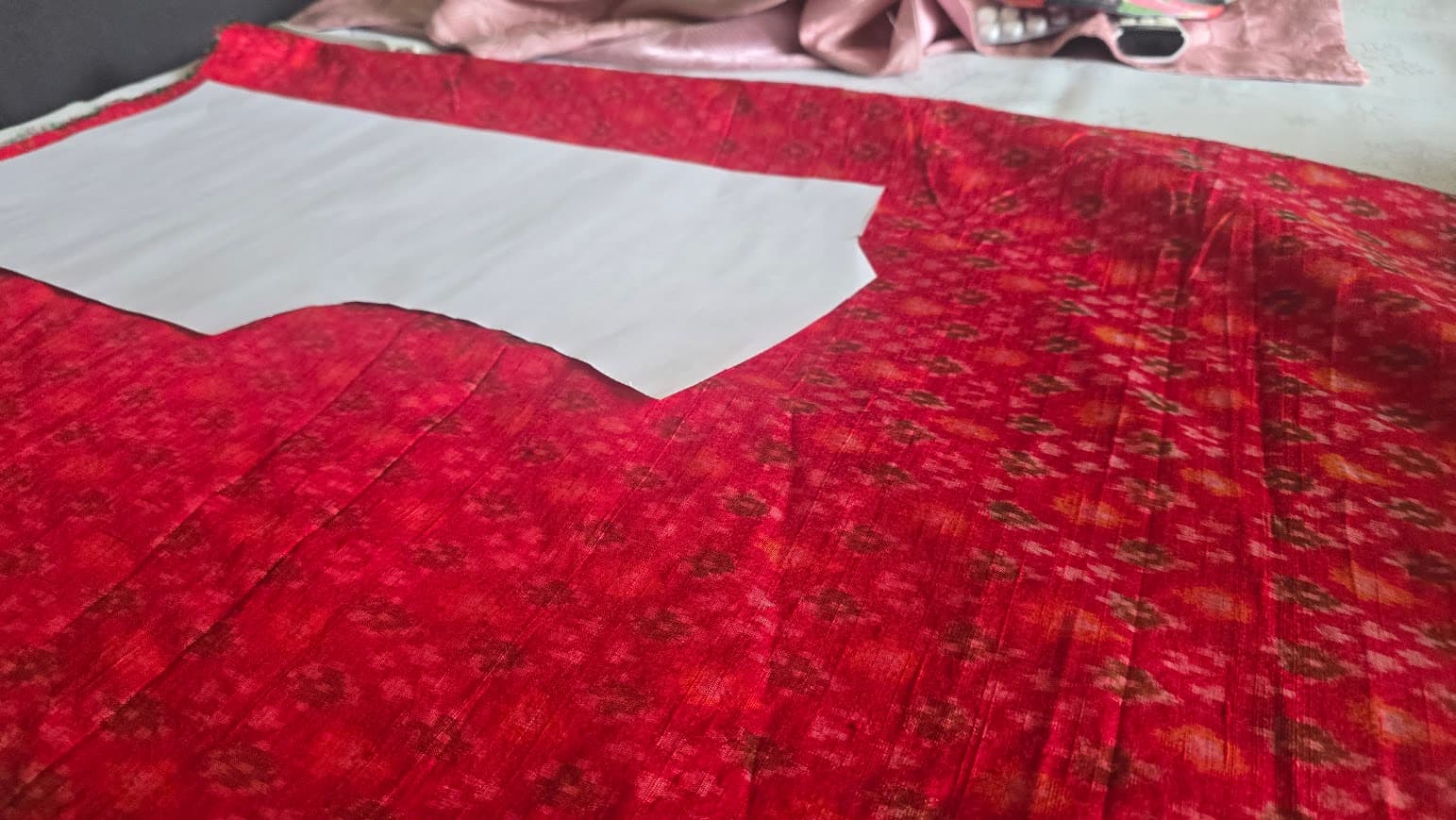
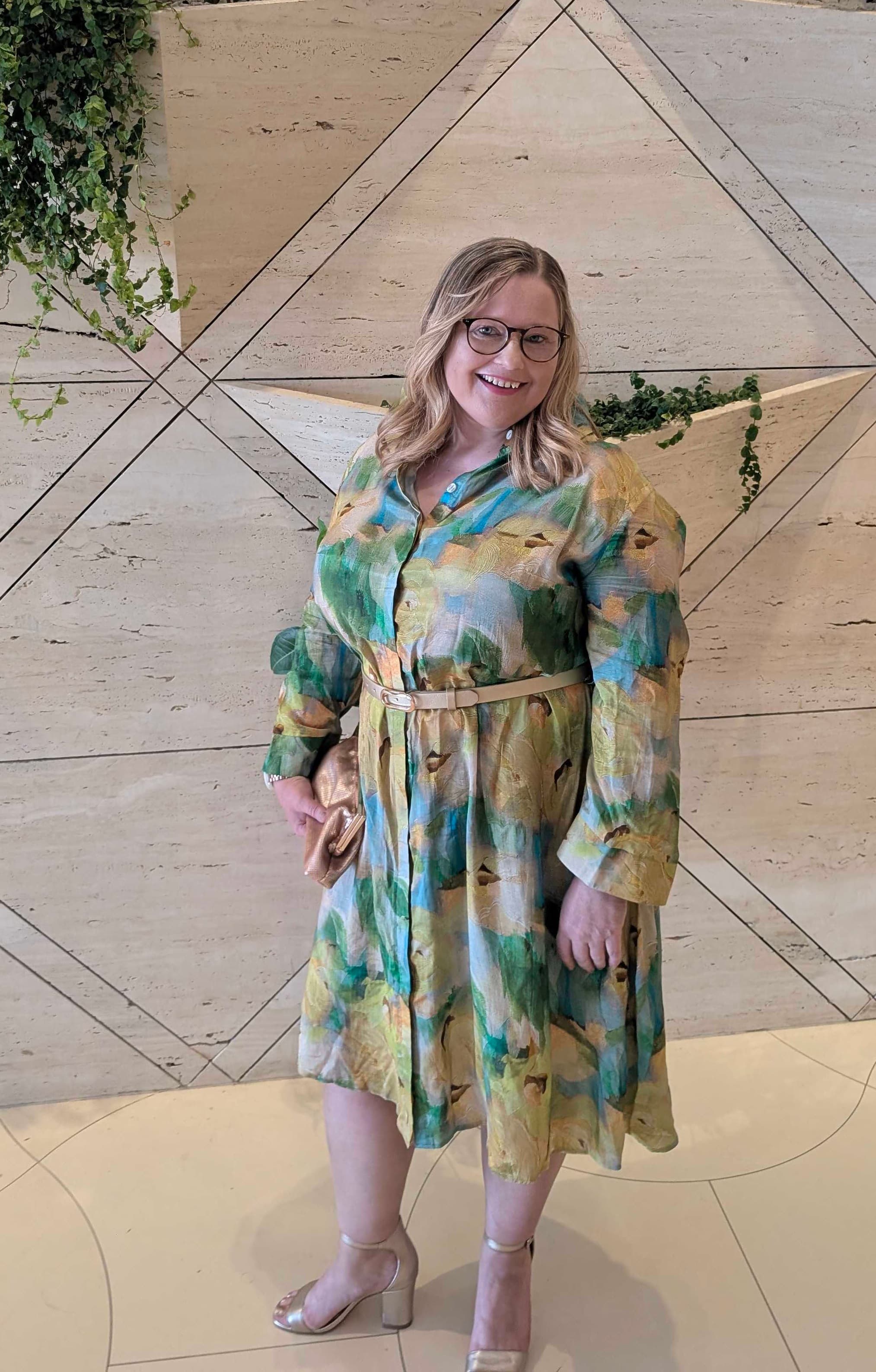
When supplying your own fabric is worth it.
There are three situations where sending your own fabric is genuinely the right call.
The fabric is irreplaceable
A relative’s sari. Cloth bought on a trip years ago. Panels from a wedding dress you want remade. Vintage or deadstock yardage that no longer exists anywhere else. No tailor can source this for you, so supplying it is the only path — and it is one of the best reasons made-to-measure exists.
You found something the tailor can’t get
A particular designer print, a small-mill wool, a hand-loomed textile from a specific region. If the design depends on that exact cloth, supply it.
You already own it
Fabric sitting in a cupboard from an abandoned project has a real cost of zero. Using it beats buying new — for your wallet and for landfill.
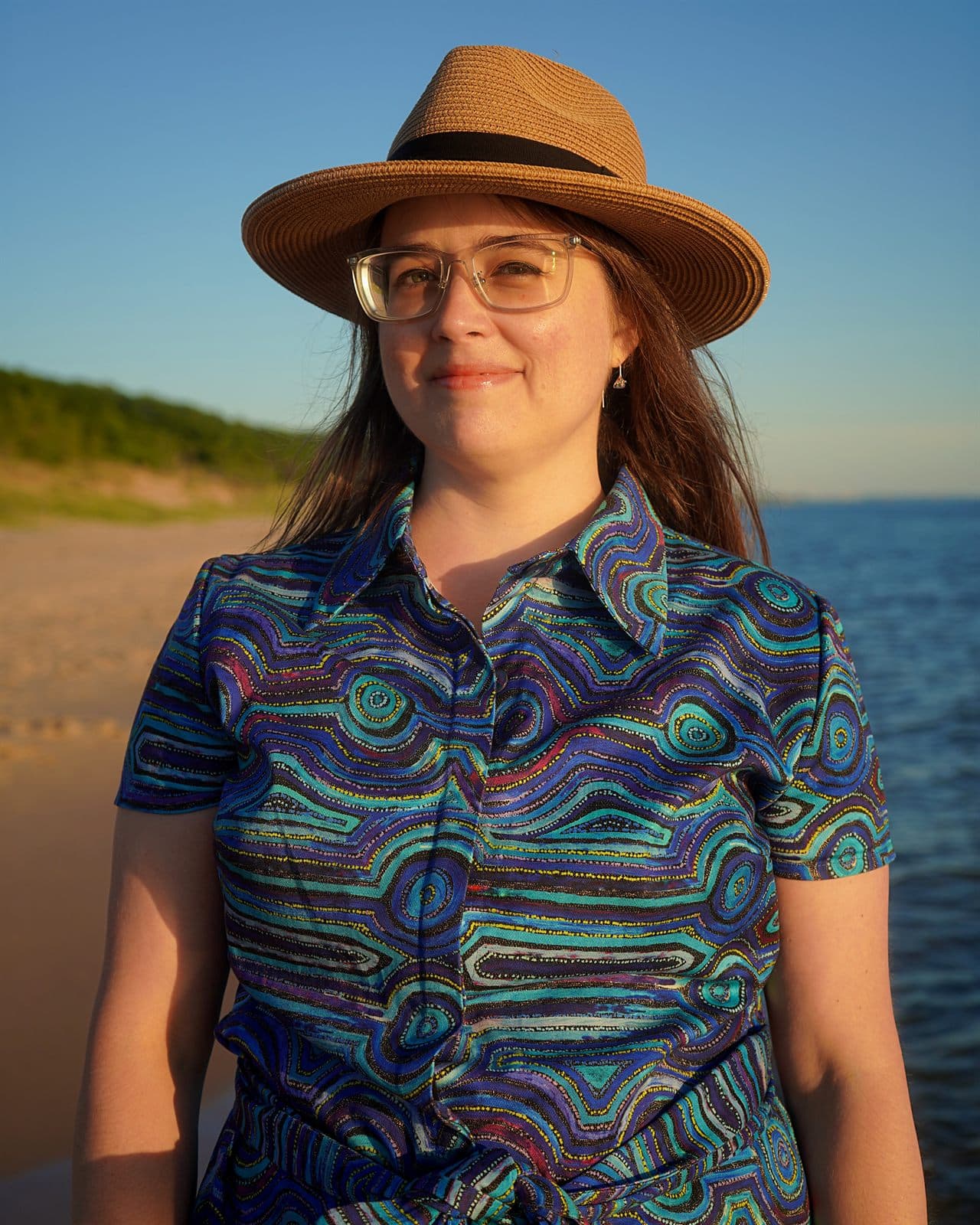
A real one
Mary’s Emu Dreaming shirt dress started with the cloth: a printed cotton drill with provenance, bought in Perth, that she sourced herself. The brief was built around that fabric, and the dress was made to her measurements.
When it’s not worth it.
If your reason is “fabric is cheaper at my local store than whatever the tailor charges,” do the arithmetic before you commit. Here is what most people miss:
A maker in Hoi An, Hanoi, Jaipur or Sarajevo has local wholesale access. The silk you would pay $60 AUD a metre for at retail in Australia may cost them a fraction of that, minutes from their studio — and the labour in your quote is identical either way. For what actually moves a custom quote, see what custom-made dresses cost in the US.
Supply fabric for love, provenance or uniqueness. Don’t supply it to save money — it almost never does.
How much fabric to send.
How much fabric you need for a dress, a jacket or a pair of trousers depends on the pattern, the width of the cloth and your measurements. Start from the table below, but treat it as a floor: running short is the worst outcome in custom making. A tailor can’t conjure the last half-metre of a discontinued print, and a garment redesigned mid-cut to fit the available cloth is a compromise nobody wanted. Send more than the estimate, always.
| Garment | Metreage (150cm wide) |
|---|---|
| Blouse or simple top | 1.5–2m |
| Knee-length dress, simple silhouette | 2.5–3m |
| Maxi dress or full skirt | 4–5m |
| Trousers | 2–2.5m |
| Jacket or blazer (plus lining) | 2.5–3m |
| Corseted or structured gown | 5m+, plus interlining |
Then adjust:
Narrow fabric
add 30–50%
Many silks, saris and vintage yardages are 110–115cm wide, not 150cm. Pattern pieces that sat side by side now have to stack, and the metreage climbs fast.
Directional prints and nap
add 10–20%
Velvet, corduroy, and any print with an obvious “up” force every piece to be cut in one direction.
Stripes, plaids, large repeats
add 15–25%
Matching a plaid across seams is the mark of quality work, and it consumes cloth.
Then a safety margin
add 10–20%
A cutting error, a flaw discovered mid-roll, or a fit adjustment at toile stage can all demand fresh fabric. Extra cloth is cheap insurance; a garment that can’t be finished is not.
Your tailor should confirm the exact requirement from the actual pattern before you post anything. If a service quotes you metreage without knowing the design, the fabric width and your measurements, that is a guess — treat it as one.
Sending fabric to your tailor.
Always tracked, always insured
Untracked international post is where irreplaceable fabric goes to die. Insure it for what it would cost to replace — or, for the unreplaceable, for what the whole project is worth to you.
Declare it honestly
“Fabric — cotton, 3 metres, personal use” on the customs form. Undervaluing or mislabelling to dodge duties can get the parcel held or returned, and the delay costs more than the duty would have.
Wash or steam it first, if the fibre allows
Pre-shrinking before cutting is standard practice, and doing it yourself means it happens in the water and detergent the garment will actually live with. Tell your tailor either way — “pre-washed” or “not pre-washed” changes what they do before cutting.
Include a content label
Fibre content, care instructions if you know them, and a note on anything the tailor should know — “the flaw near the selvedge at the 2m mark is known, cut around it.” If you don’t know the fibre content, say so; a burn test takes a good maker two minutes and changes how they press, interface and sew it.
Keep a swatch
Cut a 10cm square before sealing the parcel. If anything is ever disputed — colour, weight, condition — you both have a reference from before shipping.
Budget the time
Australia to Vietnam, India or Europe is typically one to three weeks by standard tracked post. Your garment timeline starts when the fabric arrives and passes inspection, not when you place the order.
If the maker is overseas, the rest of the relationship needs the same discipline — working with an overseas tailor without the flight covers how the whole commission is run from home.
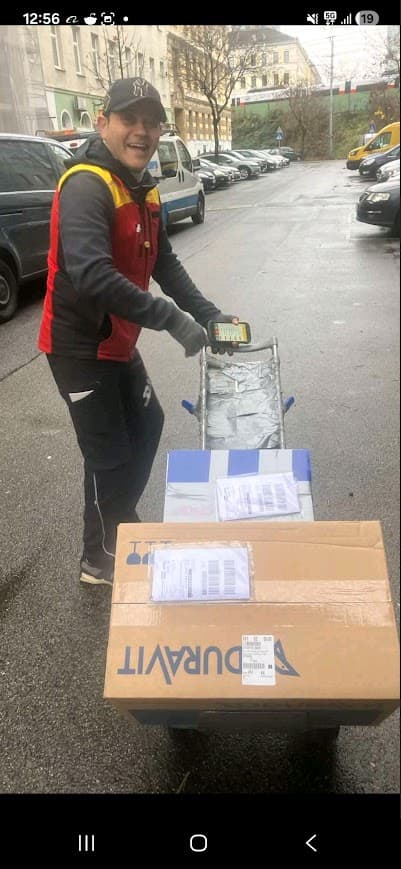
Tracked, insured, declared honestly
What a good tailor does before cutting your fabric.
This is where working with a maker who documents their process stops being a nice-to-have. Cutting is irreversible — every check belongs before it, not after. A proper receiving inspection looks like this:
Photograph the parcel and the fabric on arrival
Unrolled, in daylight — so its condition on receipt is on record for both sides.
Measure the usable length and width
Against what was declared and what the pattern needs. If it’s short, you find out now, while design adjustments are still possible.
Inspect the full length for flaws
Weaving faults, print misalignment, stains, moth damage, fade lines from storage. Flaws get marked and photographed, and the cutting layout is planned around them.
Test the fibre and the colourfastness
A burn test where the content is unknown; a damp white cloth pressed on a corner to see whether the dye will bleed onto lining, thread, or your skin.
Confirm the fabric suits the design
This is the conversation that saves projects. A drapey design cut in stiff cloth, or a structured bodice in a loose weave, fails no matter how good the sewing is. A tailor who says “this fabric won’t do what this design needs” before cutting is protecting you, not being difficult.
Get your sign-off on any change — then cut
Cutting is the point of no return. Every check belongs before it, not after.
The burn test matters most when a cloth was sold to you simply as “satin” or “chiffon” — those are weaves, not fibres. Our honest take on polyester covers how to tell silk satin from polyester satin, and when each one is the right choice.
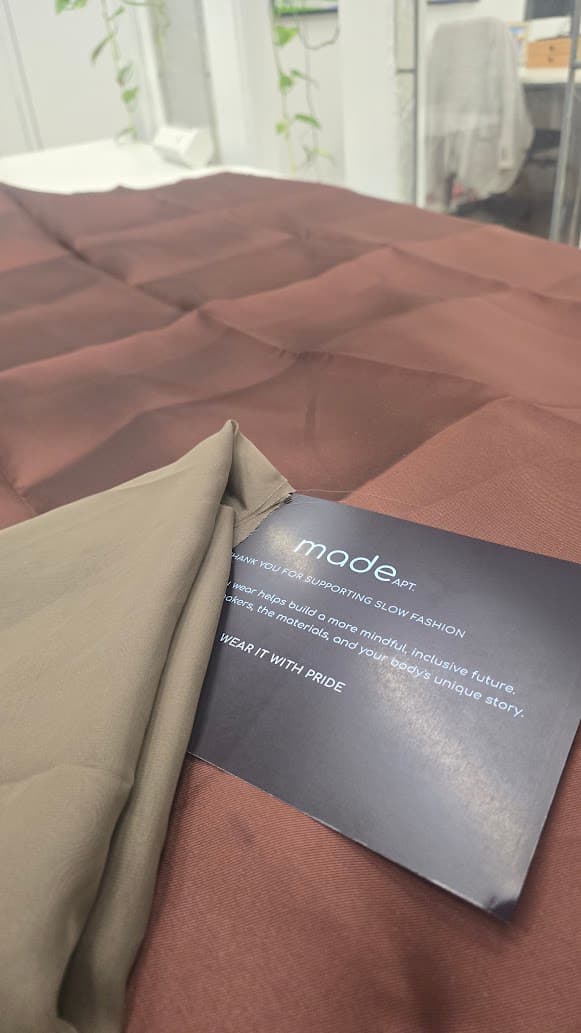
Checked in daylight, before scissors
How we handle it
At MadeApt, customer-supplied cloth runs through the same evidence gates as any other commission. The brief, measurements, fabric and timeline lock at G0. Your fabric is photographed, measured and assessed for suitability at G1 — before anything is cut — and you see that evidence rather than taking a reassurance on faith.
Whoever you work with, ask them to show you what their version of this checkpoint looks like. Read the full G0–G5 evidence gate framework or how quality control works in custom-made clothing. If the answer is “we just get started,” send your fabric somewhere else.
What happens when your fabric fails.
Here is the plain version of where responsibility sits — and you should want it in writing before any scissors come out.
You carry the fabric risk
If a tailor’s own sourced cloth turns out flawed, replacing it is their problem. If your cloth tears at the seams because the fibres are degraded, shrinks unevenly in first wash, bleeds dye, or reveals a flaw mid-cut — that isn’t a making fault, and the labour to that point is still owed. A tailor sewing customer-supplied fabric is guaranteeing their workmanship, not your cloth.
The tailor carries the workmanship risk, always
Crooked seams, wrong measurements, scorched fabric under a careless iron, a mis-cut piece — that’s on the maker, whoever supplied the cloth, and a good one will say so in their terms.
The grey zone: fabric that was wrong for the job
If a maker cuts a fabric they should have flagged as unsuitable, responsibility genuinely blurs — which is exactly why the pre-cutting assessment matters, and why it should produce a documented recommendation you approved. An assessment you signed off on converts the grey zone into a shared, informed decision.
What to get in writing.
- confirmation the fabric was received, inspected, and assessed as suitable — or the specific reservations if not
- agreement on what happens if a hidden flaw appears mid-making (usually: work pauses, you’re shown photos, and you decide between redesign, replacement fabric, or refund of unused labour)
- clarity that workmanship faults are remade or repaired at the maker’s cost regardless of who supplied the cloth
None of this is adversarial. It is the same clarity a good builder gives you about owner-supplied materials. The services that avoid the conversation are the ones hoping you won’t ask.
Sentimental fabric deserves one extra step.
If the fabric cannot be re-bought at any price — a parent’s wedding dress, a grandmother’s sari — ask for a toile first: a test version of the garment sewn in cheap similar-weight cloth, fitted and approved before your real fabric is touched. It adds cost and a week or two. For cloth like this, it is always worth it.
And if there is enough yardage, ask the maker to return every offcut. Remnants of fabric with a story belong with you, not in a studio bin.
Bring the design alongside the cloth: a photo, a screenshot or a sketch is enough to start — getting a dress made from a picture explains what a maker needs from a reference image, and visualising your own fabric on a clothing design covers photographing the cloth and checking print scale before you commit it to a particular shape.
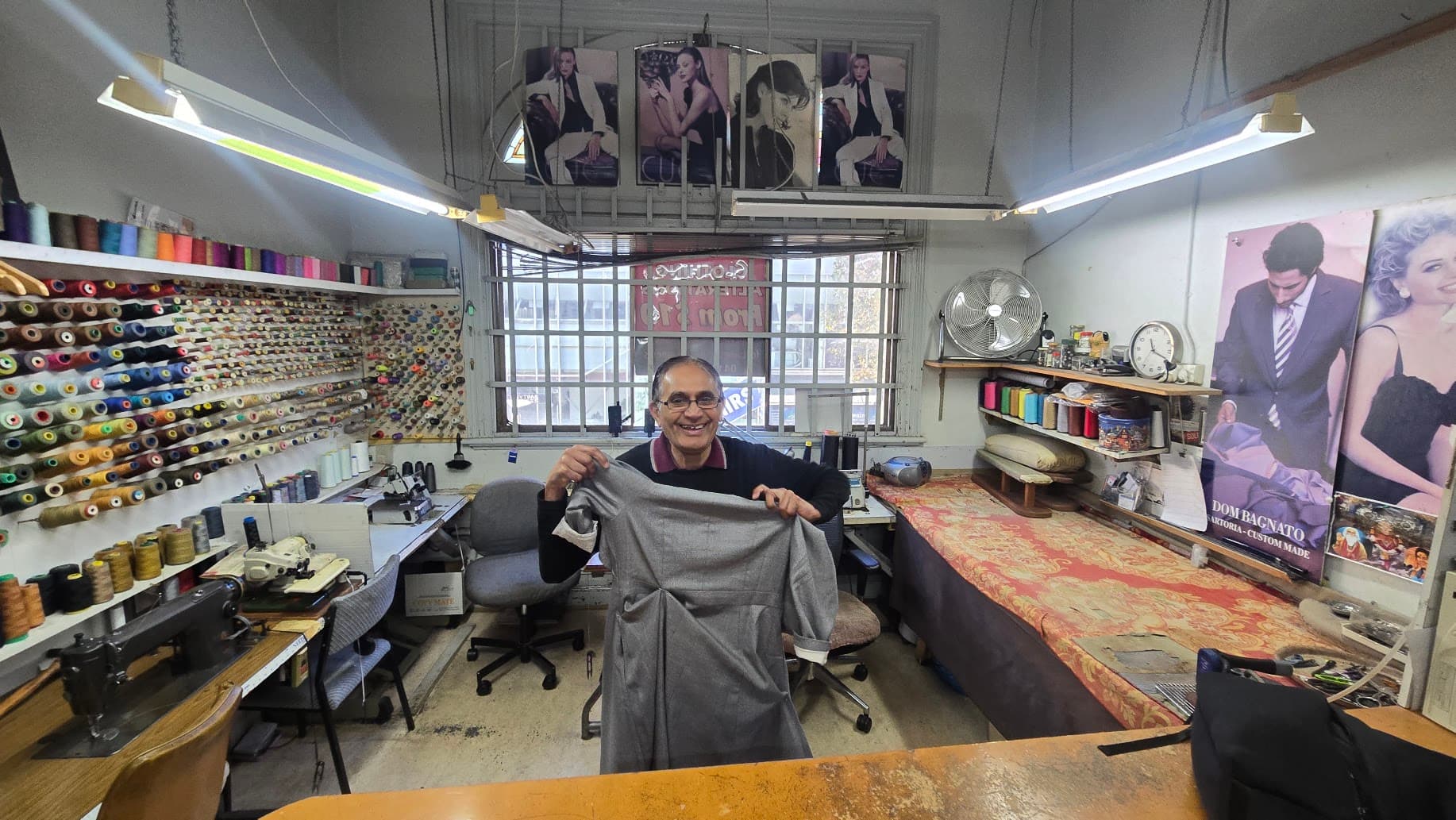
A toile first, then the cloth that matters
The short version.
- Yes, you can supply your own fabric — for provenance and uniqueness, not for savings.
- Send more than the estimate: width, nap and pattern-matching all eat metreage, and running short mid-project is the failure with no good fix.
- Ship tracked and insured, declared honestly, with fibre content noted and a swatch kept at home.
- Insist on a documented pre-cutting inspection — photos, measurements, flaw check, suitability assessment, your sign-off.
- Get the risk split in writing: fabric risk sits with whoever supplied the fabric; workmanship risk always sits with the maker.
- For irreplaceable cloth, pay for a toile.
A maker who welcomes these questions is a maker you can trust with fabric that matters. That is the whole test.
Frequently asked questions
git commit -m "my cloth, my garment"
You already have the fabric. Let’s check it before it’s cut.
Have fabric with a story and a design in mind? Send us a photo of both — we’ll tell you honestly whether it will work, how much you need, and what we would check before cutting.