What should you wear on stage?
the audience sees you before they hear you.
The short answer
A strong silhouette that reads from the back row, in a colour that separates you from your backdrop, made from fabric that can handle heat, sweat and movement. That’s the whole formula. Everything else in this guide is how to get those three things right — and how to get an outfit like that made when nothing off the rack does the job.
This guide is for independent performers: musicians playing pub gigs and festival slots, dancers, drag artists, burlesque and cabaret performers, comedians, spoken word artists. Anyone who steps into a light without a label’s stylist behind them.
We help performers turn a reference photo or an idea into a finished garment, made to their exact measurements by skilled tailors — the photos in this guide are one commission, the Dress Code dress, on the stages it was made for.
Design your stage outfit →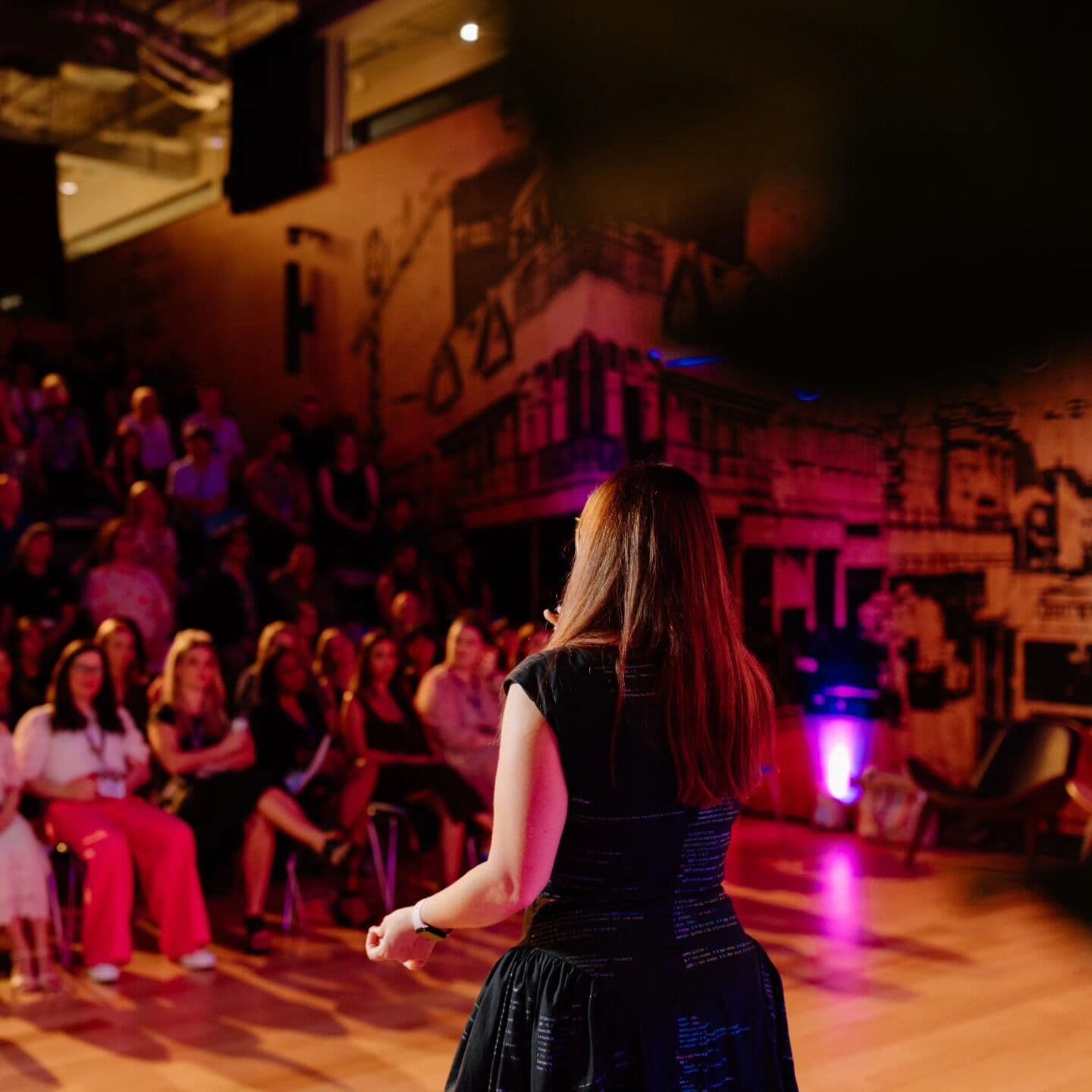
Why does your stage outfit matter so much?
Because the audience sees you before they hear you. From the moment you walk on, your outfit is doing work: telling the room what kind of act this is, whether you take it seriously, and whether they should. A deliberate outfit signals a deliberate performer.
There’s a practical side too. Performing is physical. Stages are hot, lights are hotter, and a set is 30–90 minutes of movement in front of people who are, at that moment, looking at nothing else. An outfit that pulls at the shoulders when you lift a guitar, rides up when you kneel, or shows sweat by song three isn’t a style problem — it’s a distraction that pulls your attention away from the performance.
What makes an outfit actually work on stage?
Stage clothes have different rules from street clothes. The four that matter most:
Silhouette beats detail.
From ten metres away, nobody sees your buttons. They see shape. Strong shoulders, a defined waist, a dramatic sleeve, a clean line — silhouette is what registers at distance. If you’re deciding between a garment with intricate close-up detail and one with a bold shape, the shape wins on stage every time.
Colour has to survive the lighting.
Most small venues run coloured LED washes, and they will recolour whatever you wear. Jewel tones — emerald, cobalt, magenta, gold — hold up well. Pure black vanishes against dark stages and curtains, which is why so many performers look like a floating head in gig photos. Pure white blows out and takes on whatever colour the lighting tech is feeling. If black is your look, choose textured, sheened or metallic-detailed black so light has something to catch.
Fabric is a performance decision.
You need stretch or ease where you move, breathability where you sweat, and colours that don’t show moisture (mid-grey is the classic offender). Natural-fibre blends with a little elastane handle heat better than cheap polyester, which turns into a personal sauna under lights. If you play an instrument, think about wear points — a guitar strap will destroy a delicate shoulder seam in a month.
Construction has to survive repetition.
A stage outfit gets worn hard: sweat, quick changes, being stuffed into a gig bag, washed weekly. Glued embellishments fall off. Delicate closures fail mid-set. This is where performance construction — reinforced seams, sewn (not glued) trims, robust zips and hook-and-eye closures placed where you can actually reach them — earns its keep.
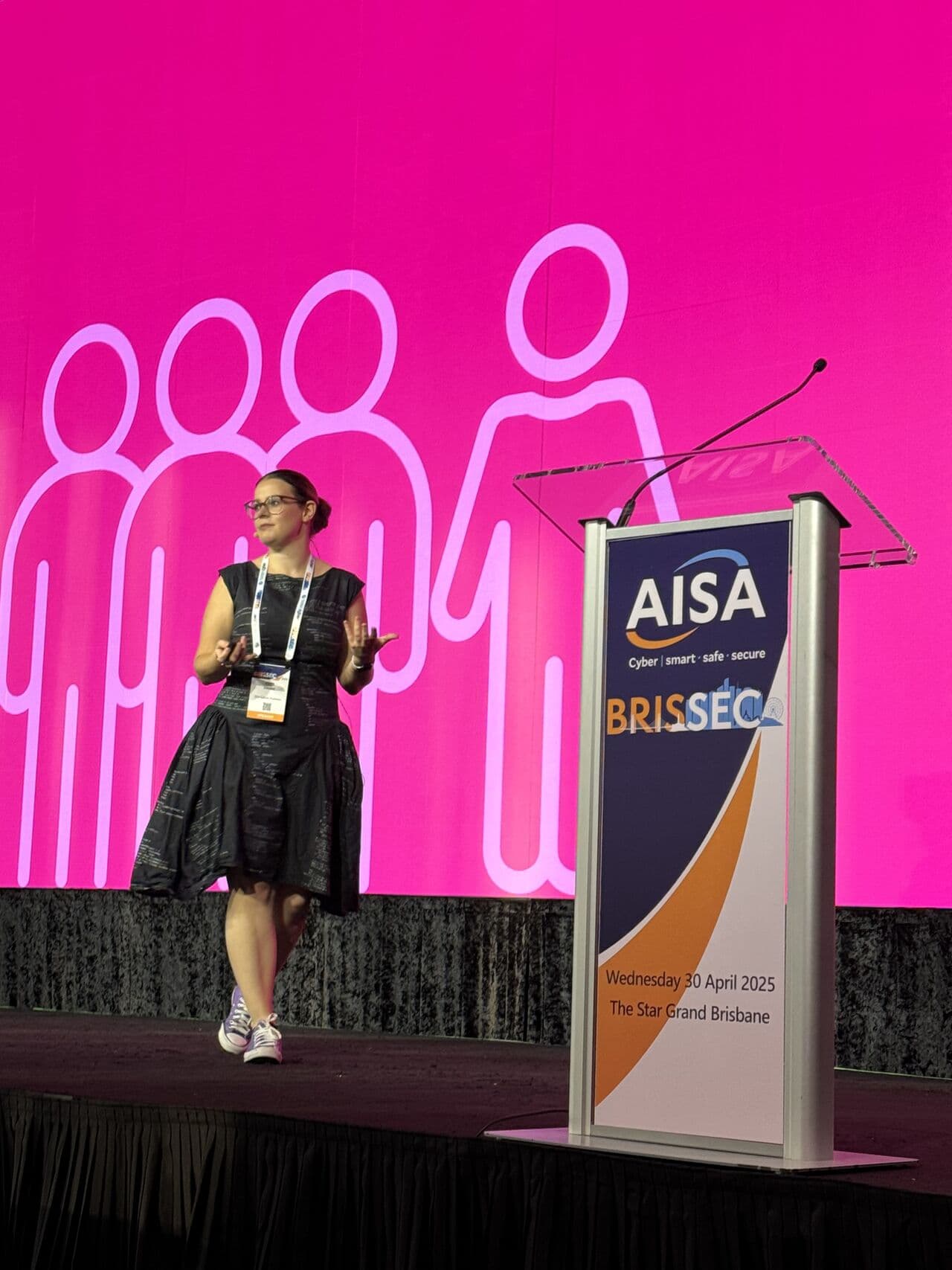
Colour separation from the backdrop, working
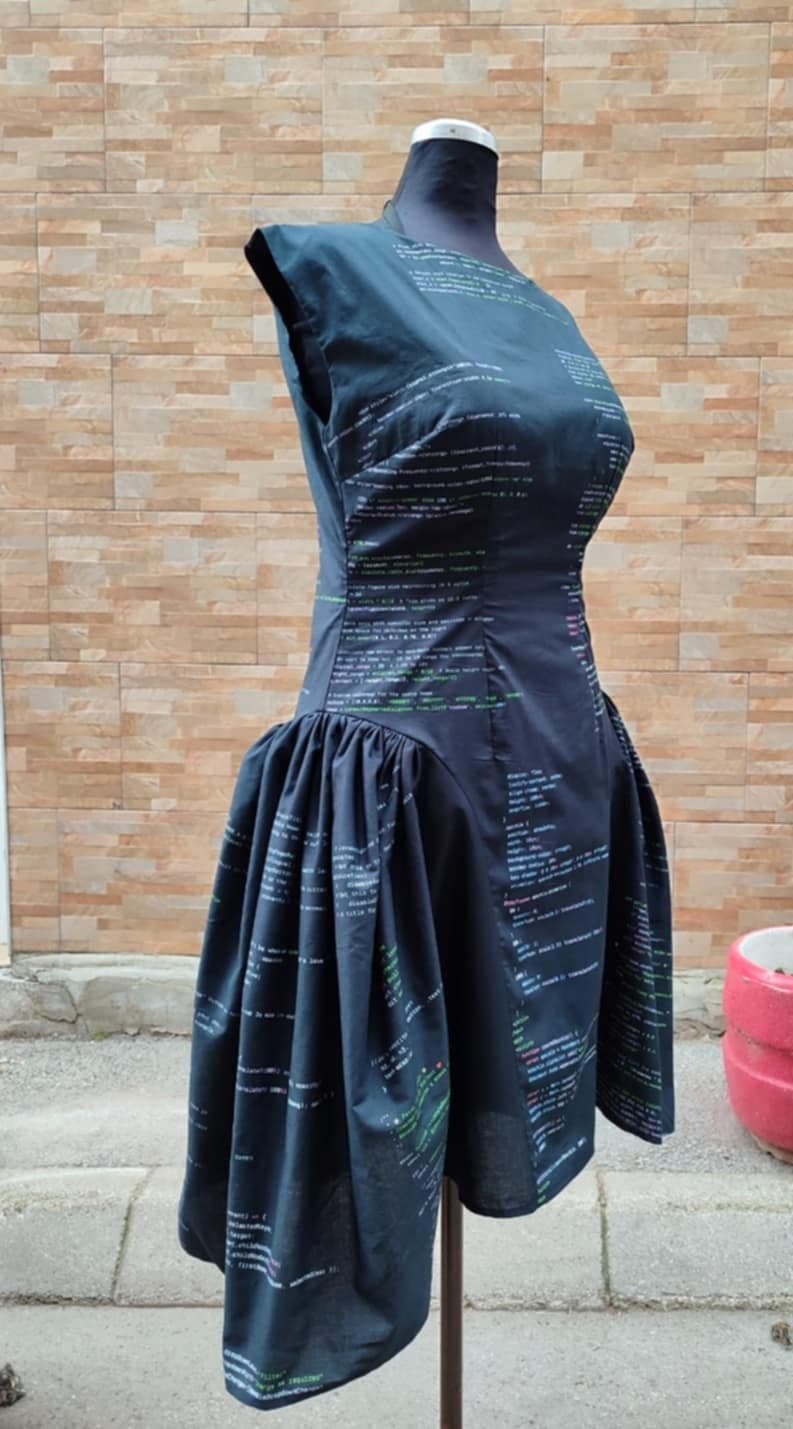
Silhouette first — it's what the back row sees
What about the details audiences never think of?
A few things experienced performers learn the hard way:
- Raised stages change your sightlines. If the stage is above the audience, they’re looking up at you. Check your hemline from below before you commit to a short skirt or dress — sit, kneel and lunge in it, viewed from a low angle.
- You probably need pockets or anchor points — for in-ear monitor packs, a capo, a lighter for the smoke machine that never works. Off-the-rack womenswear almost never accounts for a belt pack. Custom garments can build it in.
- Quick changes need to be designed in. If your set involves a costume change, closures matter more than anything: where zips sit, whether you can reach them alone, whether the reveal works in eight seconds side-stage in the dark.
- Match the outfit to the venue tier you’re playing, plus ten percent. Slightly more considered than the room expects reads as professional. A full sequined gown at an open mic reads as costume; the same gown at a cabaret night reads as exactly right.
How do you find “your” look instead of copying someone else’s?
Start with references, then adapt. Save photos of performers whose stage presence you admire — not to copy the outfit, but to work out what’s doing the work in each one. Is it the silhouette? The colour against the lighting? The contrast with the rest of the band? Pull those elements into something built around your body, your movement and your act.
This is exactly what a moodboard-to-garment process is for. If you’ve got a folder of screenshots and a Pinterest board of half-formed ideas, you’re most of the way to a design brief. In the MadeApt design studio, you can turn those references into a concrete design, see it visualised, and adapt it — longer hemline, added stretch panel, sturdier straps — before anything is cut. (There’s a moodboard builder too, if your ideas live in fragments.)
Can you get a stage outfit made from a picture?
Yes, and for performers it’s often the only realistic path. Stage-appropriate clothing barely exists off the rack: retail doesn’t make garments designed to be watched under lights, moved in hard, and worn fifty times. What performers usually do instead — buying near-enough retail pieces and modifying them — costs real money and still fits like a compromise.
Made-to-measure flips that. You bring a reference photo, a screenshot, or a moodboard. It gets turned into a technical design, adapted for performance (your measurements, your movement, your closure and pocket requirements), and made by a skilled tailor whose work is checked at every stage before it ships. The result is inspired by your reference but built for your set — and because it’s made to your measurements, it fits the way stage clothes need to: close enough to look sharp, free enough to move. (The full process is in our guide to getting a dress made from a picture.)
What does a custom stage outfit cost?
Typically AU$200–$800, depending on fabric, construction complexity and embellishment. A structured performance dress with boning and hand-finished trim sits at the top of that range; a sharp two-piece in performance fabric sits near the bottom.
For comparison: performers routinely spend $150–$300 AUD on an off-the-rack outfit plus alterations that still fits imperfectly and wasn’t built for repeated stage wear. Custom costs a step more and lasts several times longer — and for a working performer, a signature outfit is a business asset. It’s in every gig photo, every poster, every reel.
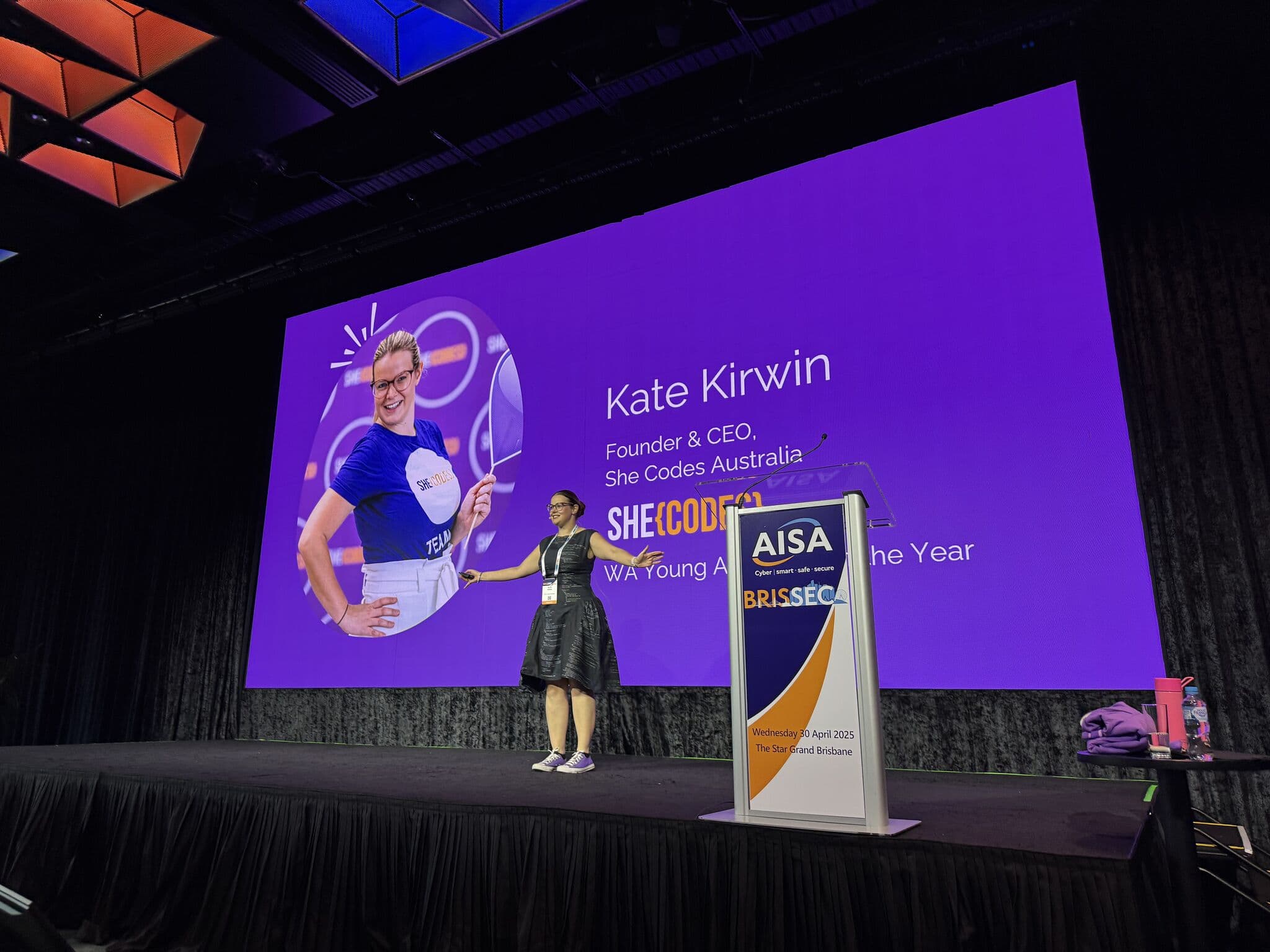
The signature outfit is a business asset
What if you need outfits for a whole band, troupe or act?
This is where made-to-measure genuinely has no substitute. Matching a group off the rack means forcing five different bodies into one size chart — someone always wears the compromise. Made-to-measure means one design, cut individually to each performer’s measurements. The look is unified; the fit is personal.
If you run a dance troupe, a burlesque studio, a band or a cabaret ensemble and outfit performers regularly, talk to us — we work with studios and group acts on exactly this.
Frequently asked questions
git commit -m "built for the back row"
You’ve got the references. Build the outfit.
Bring the screenshots and the half-formed ideas — we’ll turn them into a stage outfit made to your measurements, built to survive the set.