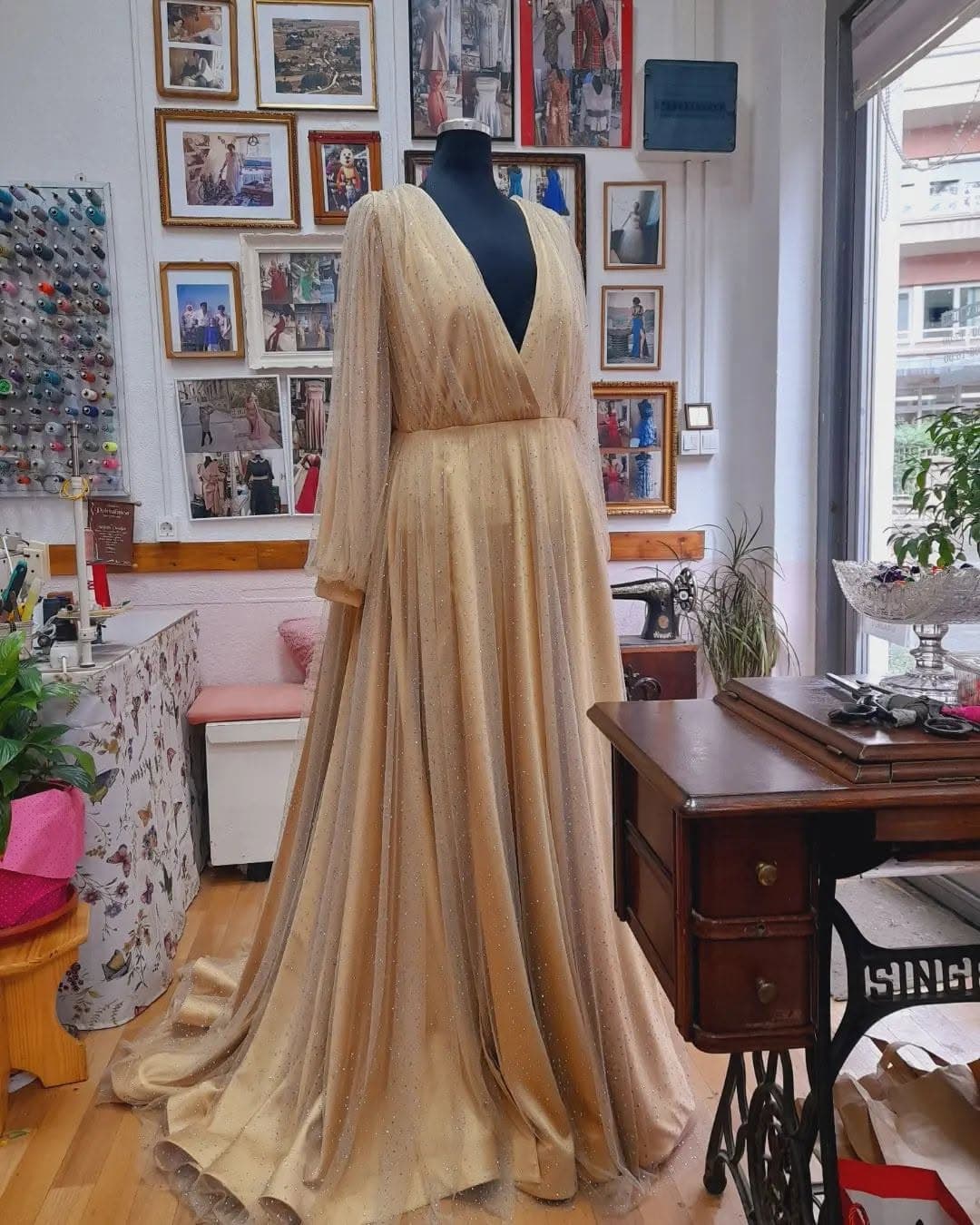
The period-drama gown
Empire lines, corseted bodices, structured sleeves. These are historical silhouettes; a maker who understands the era can build the real thing, not a costume-shop version.
costume departments don’t shop. they build.
The short answer
Yes — as an interpretation. A skilled maker can build a dress inspired by the one on screen, cut to your measurements in fabric that exists in the real world. A pixel-perfect clone isn’t possible, and it isn’t the goal: the costume was never for sale, it was fitted to someone else, and it was built for a camera, not a room.
Everyone has one. The dress from that wedding scene. The gown from the period drama. The outfit a character wore for thirty seconds in episode four that you’ve screenshotted, saved, and searched for ever since — only to find it was either custom-built for the production, sold out years ago, or never existed as a real product at all.
Here’s the part most people don’t know: costume departments don’t shop. They build. The dress you fell for was very likely drafted, cut, and sewn for one specific actor, for one specific scene, under one specific lighting setup. There is no “where to buy” because it was never for sale.
Which means the only honest way to wear it is the same way it was made in the first place: have it made — for your body, your event, and your budget.
Start with your screenshot →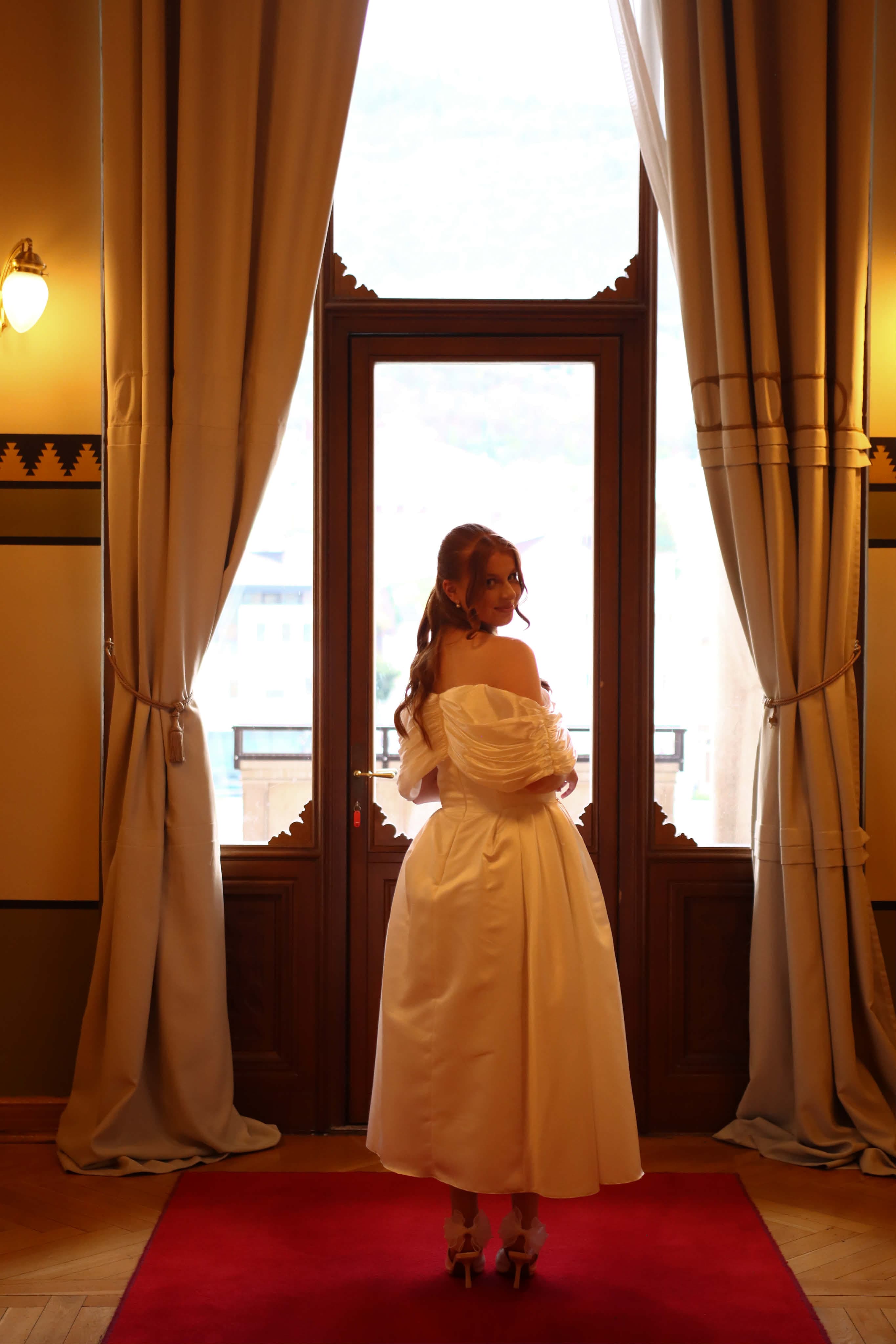
Let’s be upfront, because plenty of services won’t be.
What works: an interpretation. A skilled maker studies the screen garment — silhouette, neckline, sleeve, drape, era — and creates a dress inspired by it, cut to your measurements, in fabric that exists in the real world and suits your event. This is what costume designers themselves do with historical references, and it’s what produces a dress you’ll actually love wearing.
What doesn’t work: a pixel-perfect clone. Three reasons:
Screen fabric isn’t real-world fabric.
Costumes are built for camera — colours are chosen for how they read under studio lighting, fabrics are sometimes weighted, pinned, or clamped out of frame, and some “dresses” are only finished on the sides the camera sees. Copy it literally and it often looks wrong in daylight.
It was fitted to someone else.
A gown drafted for one actor’s proportions won’t translate line-for-line to a different body. The magic is in the fit, and fit has to be redrafted for you — that’s a feature, not a compromise.
Some elements are off-limits.
Original prints, logos, and branded elements belong to someone. A reputable maker will interpret the design language rather than counterfeit protected artwork — and will tell you so before you pay, not after.
The good news: “inspired by, fitted to you” almost always produces a better dress than a replica would. You get the thing you actually loved — the neckline, the movement, the mood — without the parts that only worked on a soundstage.
Part of getting a great result is knowing what to ask for. When you strip a screen dress back to its construction, it’s usually one of a handful of classic forms:
Empire lines, corseted bodices, structured sleeves. These are historical silhouettes; a maker who understands the era can build the real thing, not a costume-shop version.
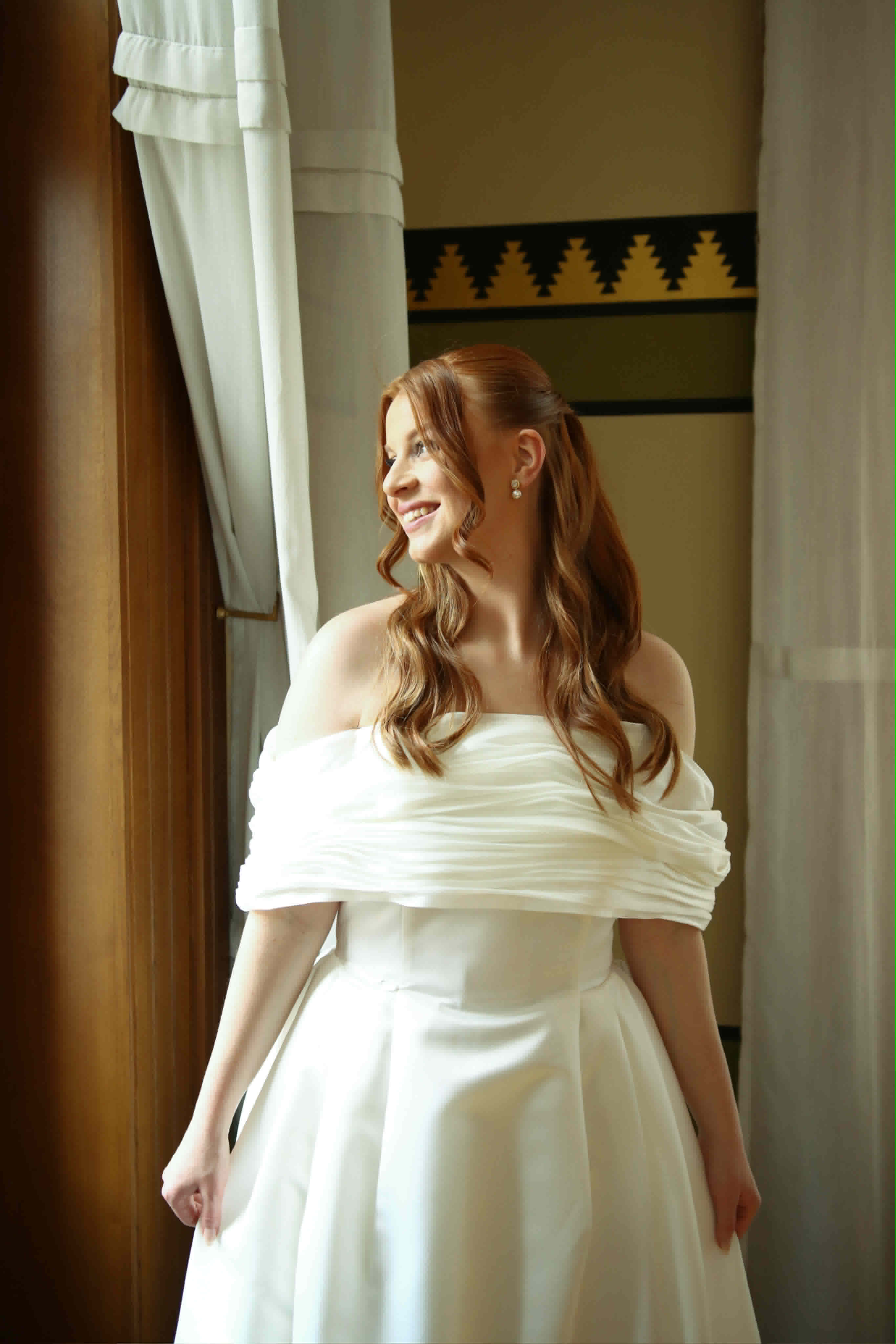
Bias-cut slips, illusion necklines, dramatic backs. Screen weddings drive real bridal briefs constantly, and “like the one in the film, but wearable for eight hours” is a completely normal request.
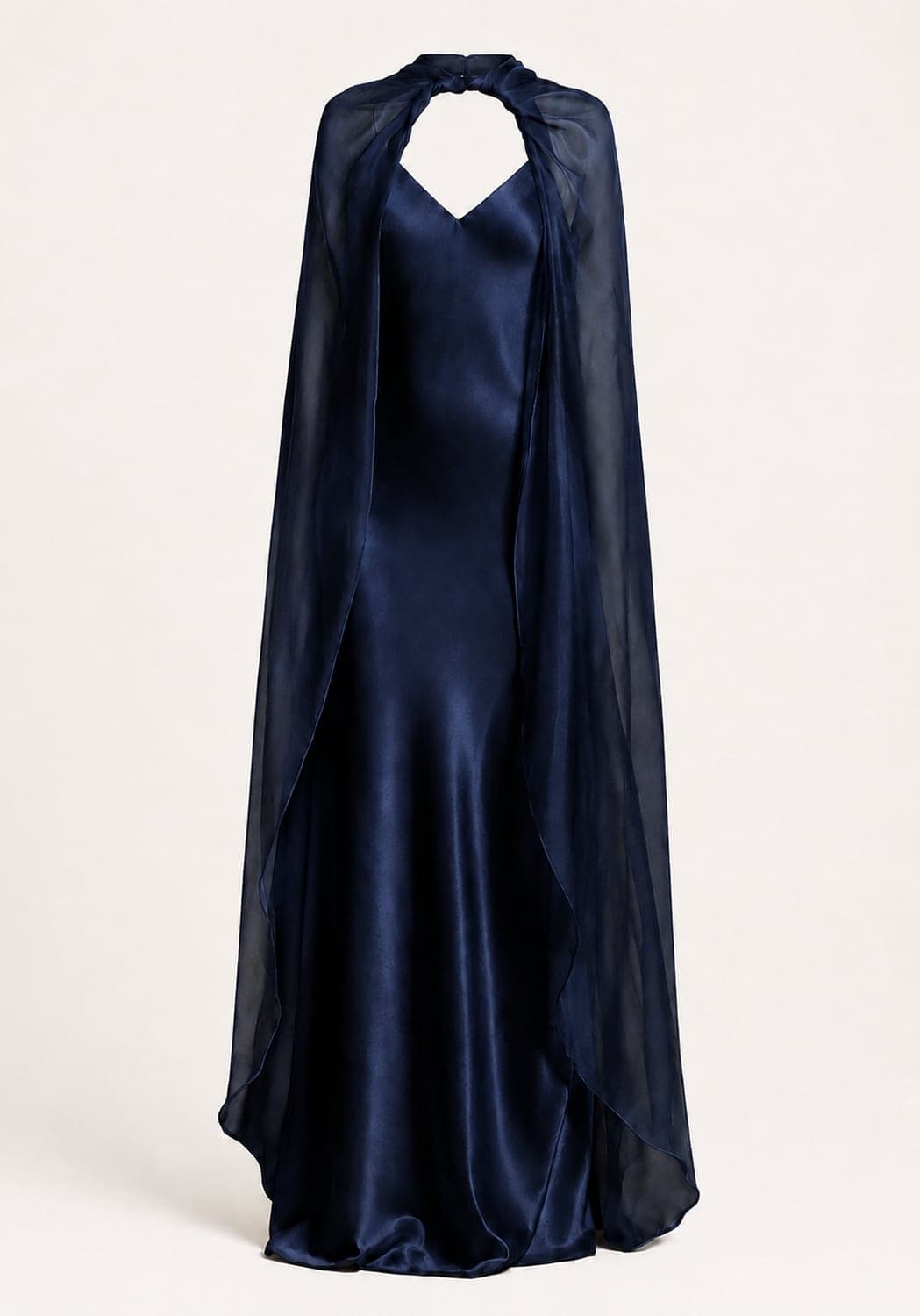
The gala scene, the reveal moment. Usually a classic gown silhouette with one signature element (the cape, the slit, the colour). Identify the signature element; interpret the rest.
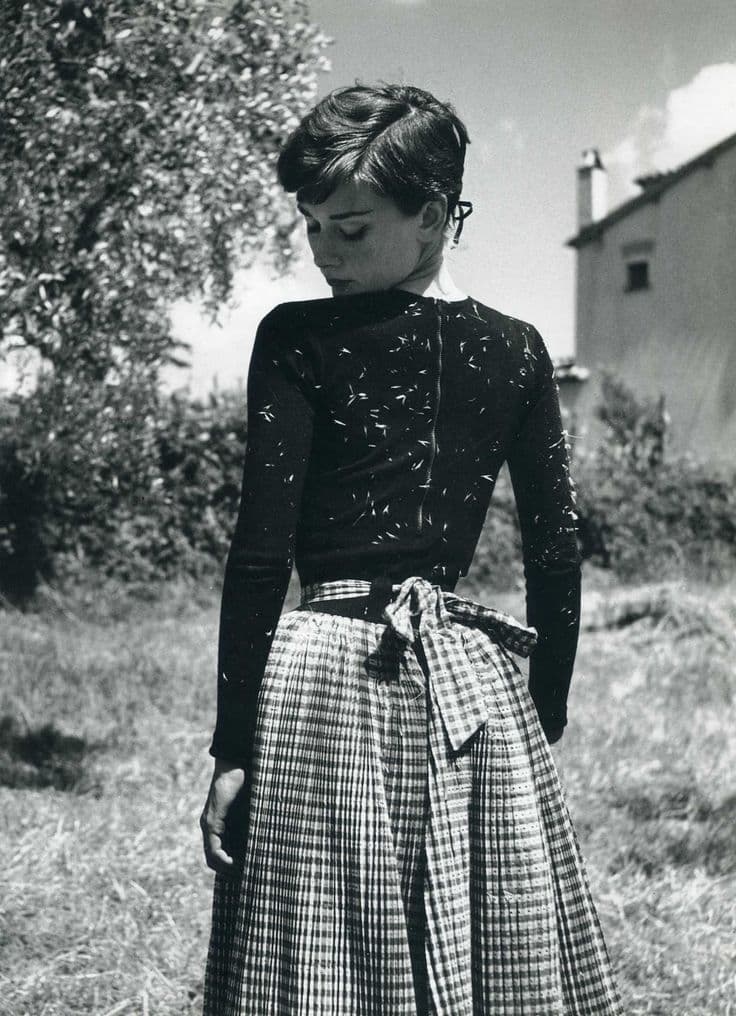
Less about one scene, more about a wardrobe’s whole language. This becomes a design conversation: what makes it hers, and how does that translate to your life and event?
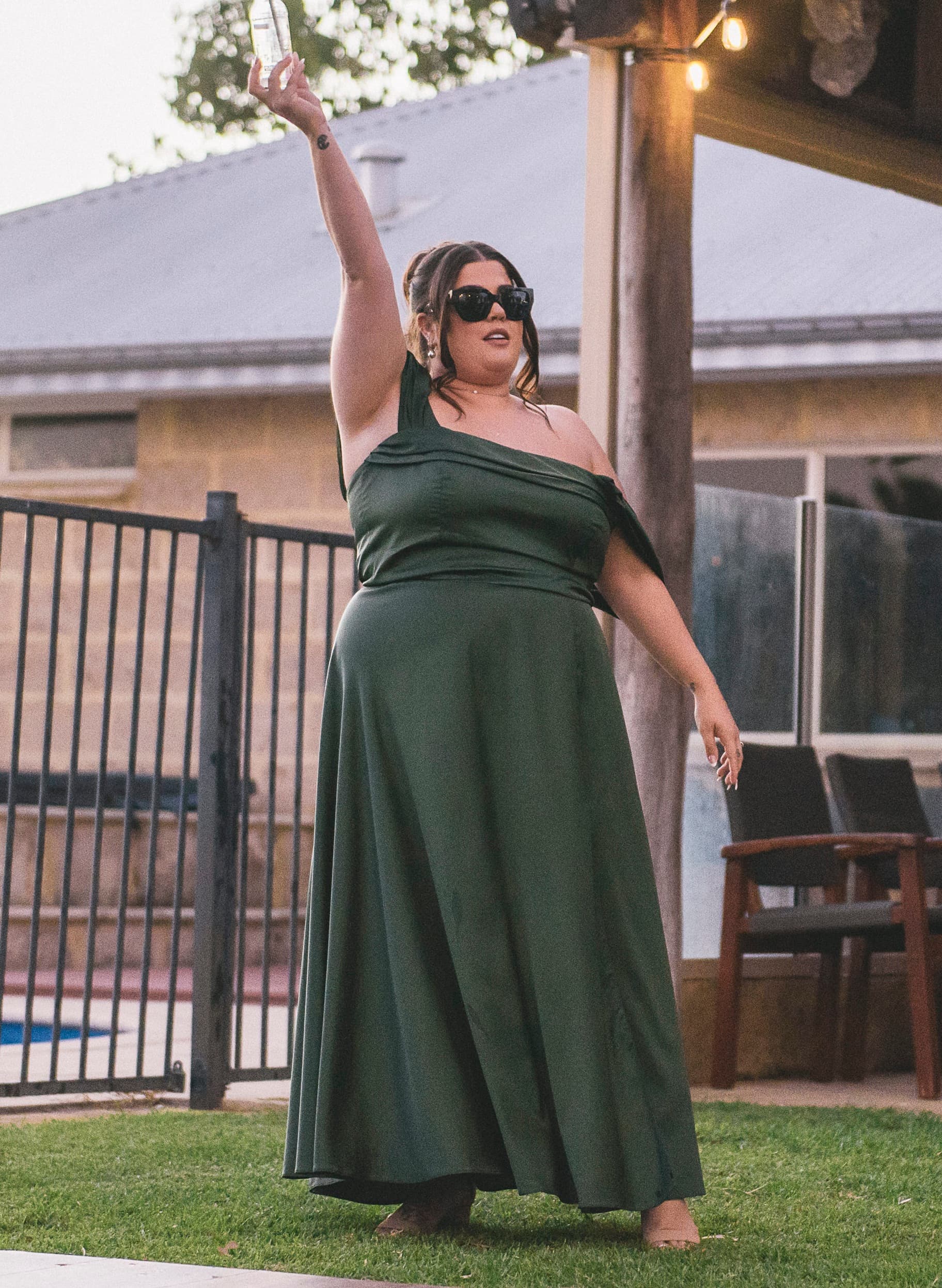
Often a hybrid: a screen reference plus “but in blue, and with straps.” Custom is the only route that gives you all three.
At MadeApt, screen-inspired briefs run through the same process as any dress made from a picture:
Bring your references.
Screenshots, multiple angles if you can find them, and — just as important — what you loved about it. “The way it moved” leads somewhere different than “the neckline.”
Design consultation.
We translate the screen garment into a real-world design: silhouette, construction, and fabric that behaves the way the original appeared to behave. This is where screen-only illusions get honest equivalents.
Fabric selection.
Colour on screen is unreliable — it’s been lit, graded, and filtered. We match to the mood, not the pixels, with real fabric options you approve before anything is cut. See the fabric options →
Your measurements, not a size chart.
The dress is drafted to your body. This is the step the original costume got that off-the-rack never will.
Staged quality checks with photo evidence.
You see the garment at key construction stages — fabric confirmed, construction checked, finished measurements verified — before it ships. How our quality control works →
Most orders take approximately 4 weeks including shipping; gowns with structure or hand-finishing take longer, and we confirm the estimate when we quote. If it’s for a wedding or ball, work backwards from your date and add buffer — and for bridal, keep our wedding dress inspection checklist handy for the day it arrives.
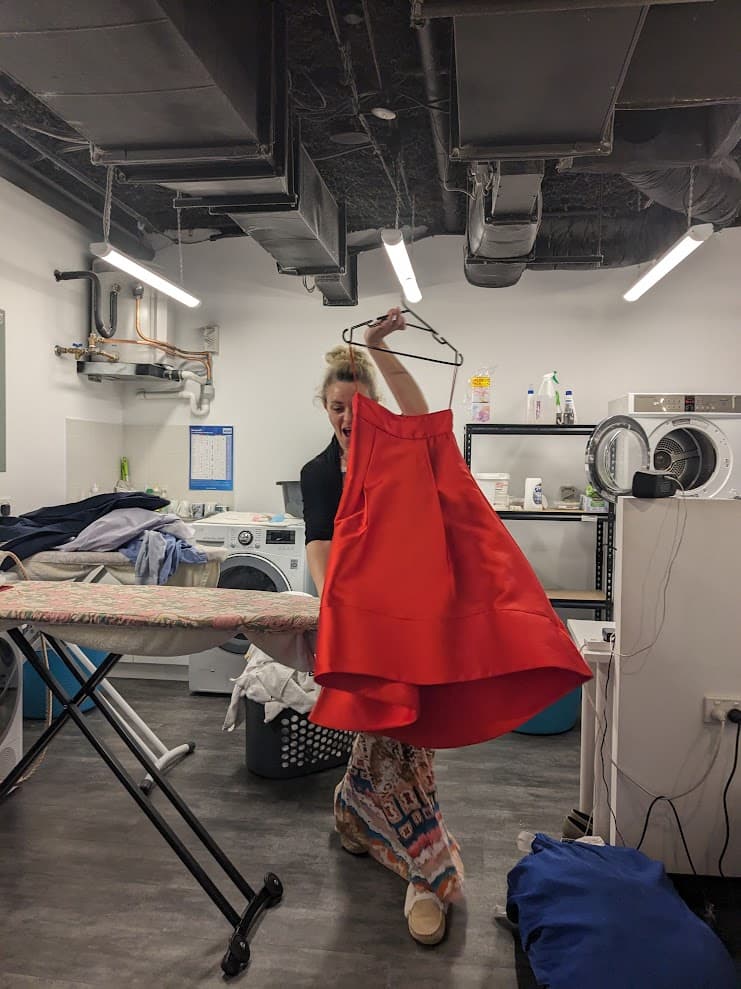
Checked at each stage, photographed, then shipped
Screen-inspired doesn’t carry a premium over any other custom brief — you’re paying for the garment’s complexity, not the reference. At MadeApt, made-to-measure starts from $229 USD; a structured gown with lining and detailing sits higher. Our guide to custom dress costs in the US breaks down what drives the price.
Compare that honestly with the alternatives: tracking down a discontinued designer piece on resale (if it exists, in your size, at collector pricing — and if the dress was a real product that sold out, see how to recreate a discontinued dress), or buying something “close enough” off the rack and paying for alterations that can change the fit but never the design. Alterations vs made-to-measure covers when each makes sense.
01
Name the one thing.
Every beloved screen dress has one element doing the emotional work. Identify it, protect it in the design, and give your maker freedom on the rest.
02
Think about your lighting, not theirs.
You’ll be in daylight, restaurant light, or dance-floor light — not a colour-graded frame. Trust fabric recommendations over screenshots.
03
Say what it’s for.
“Inspired by the film, but I need to sit through a three-hour reception and dance in it” is a brilliant brief. Wearability constraints make the design better.
git commit -m "the dress from the film, made mine"
We’ll tell you honestly what will translate and what should be reinterpreted — then make it to your measurements.