how much does a custom-made dress cost in australia?
the real question is what the price includes
The short answer
A custom-made dress in Australia can cost anywhere from roughly $229 USD for a simpler made-to-measure piece to $4,000 AUD or more for a complex evening gown. Custom bridal gowns commonly begin around $2,000–$5,000 AUD, with couture work extending well beyond that.
That is an enormous range because “custom-made” can describe very different services. One dress may adapt an existing pattern to your measurements. Another may require an original design, a toile, several fittings, corsetry, silk, hand draping and hundreds of individually applied details.
At MadeApt, some simpler made-to-measure dresses can be created from around $229 USD, while a dress using a custom-designed print may be around $499 USD. More structured, heavily detailed or fabric-intensive pieces are quoted individually. The useful question is therefore not only, “How much does a custom dress cost?” It is: what kind of custom work does that price include?
Custom-made dress prices in Australia.
The ranges below are a practical guide, not a fixed industry tariff. Publicly listed Australian prices vary by maker, location, fabric, construction and how much development is required.
Simpler made-to-measure dress
An existing or resolved design adjusted to your measurements; straightforward fabric and construction
From about $229 USD
Custom-print made-to-measure dress
Individually printed fabric, measurement-based cutting and garment construction
Around $499 USD and up
Custom formal dress, simple design
A simpler formal silhouette with limited detailing
From about $500 AUD
Custom cocktail or occasion dress
More design development, finer fabric, structure, draping or several fittings
About $500–$1,500 AUD
Custom evening or formal gown
Multiple layers, complex structure, premium fabric, hand finishing or embellishment
About $1,500–$4,000+ AUD
Custom bridal gown
Bridal construction, fittings and specialist fabric; couture can rise above $10,000 AUD
Commonly $2,000–$5,000+ AUD
These brackets are consistent with published Australian examples — see the source notes at the end of this guide. The range is not evidence that one maker is “overcharging” and another is cheap. It may reflect completely different garments, labour markets and service models.
Why one custom dress costs $229 USD and another costs $1,850 AUD.
Two dresses can look similarly simple in a photograph while requiring very different work. A clean, unembellished dress made from a stable cotton may use an existing pattern direction, need relatively little internal structure and be straightforward to fit remotely. A fitted satin dress with the same apparent number of seams may need a new pattern, precise grain placement, lining, cups, boning, hand finishing and several rounds of adjustment. The largest price factors are usually the following.
Whether the design already exists.
Starting from a dress that has already been resolved is usually less expensive than developing a completely new design. If the maker already understands the silhouette, pattern pieces, seam placement, fabric behaviour and construction order, much of the technical thinking has been completed. The design can then be adjusted to your measurements and preferences.
Starting from a sketch, reference collage or AI-generated image may require the maker to decide:
That design-resolution work is part of the cost, even before sewing begins. If your starting point is a photograph, our guide to reference-based custom design explains exactly what to send with the picture.
Fabric choice and quantity.
Fabric does more than change the surface appearance of a dress. It changes how the garment must be cut, supported, sewn and finished. Cost may increase with:
A short fitted dress does not always use less fabric than expected. Full sleeves, bias cutting, pattern matching or circular sections can require a wider or longer cut than the finished length suggests.
Structure and internal support.
Some of the most expensive work is deliberately invisible. A sculpted bodice may contain:
These details are what allow a strapless, low-backed or closely fitted dress to remain secure while the wearer moves. Removing them may reduce the price, but it can also fundamentally change how the dress performs.
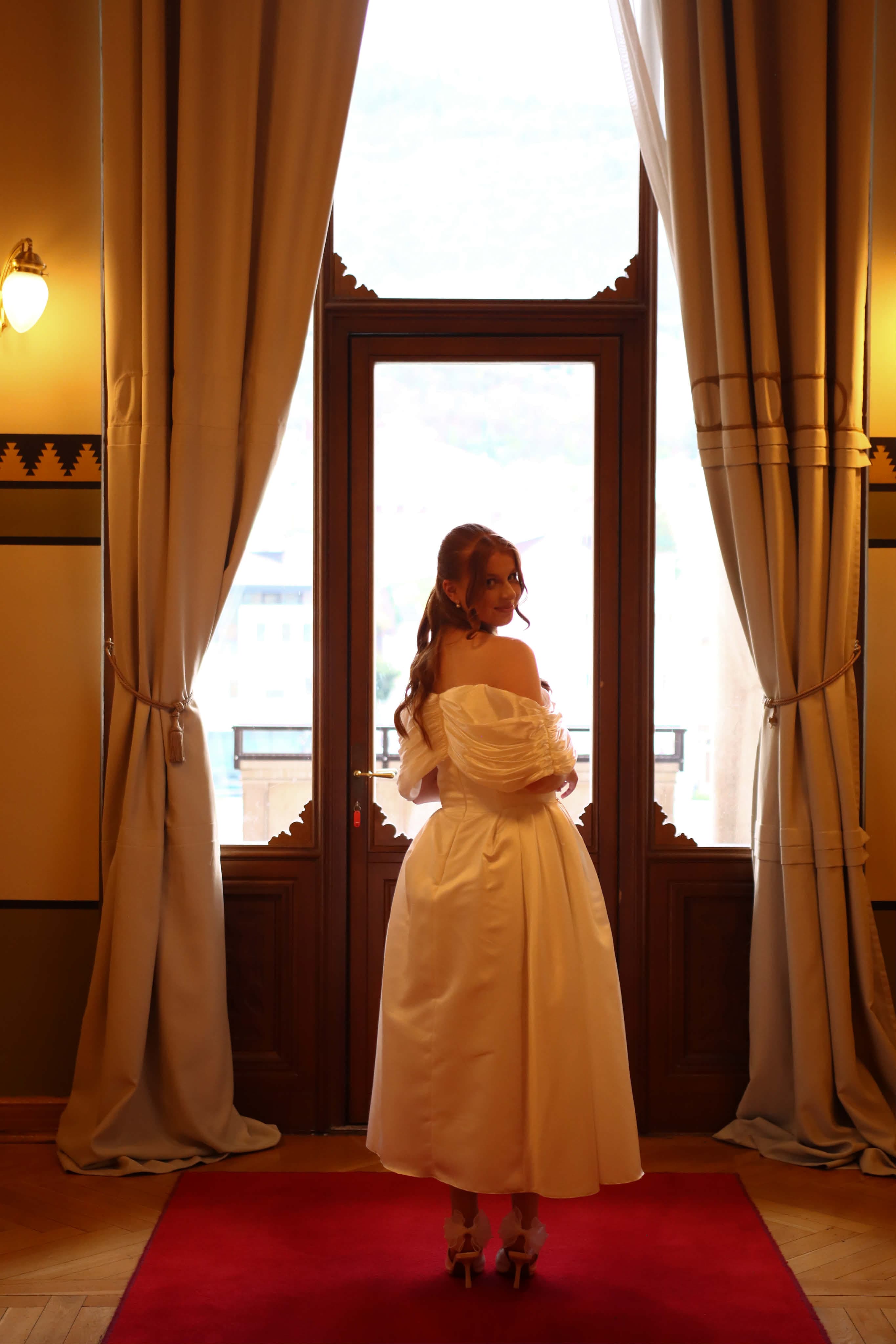
The engineering is invisible
Pattern development, toiles and fittings.
“Made to your measurements” and “designed from scratch for you” are not always the same service. A made-to-measure dress often begins with an established pattern or design direction that is adjusted for the wearer. A fully bespoke dress may begin with a new pattern drafted from the body, followed by a toile — a test version made in inexpensive fabric — and one or more fittings before the final fabric is cut.
More development usually means:
Neither method is automatically better. The appropriate process depends on the complexity of the dress, the budget and how exact the result needs to be.
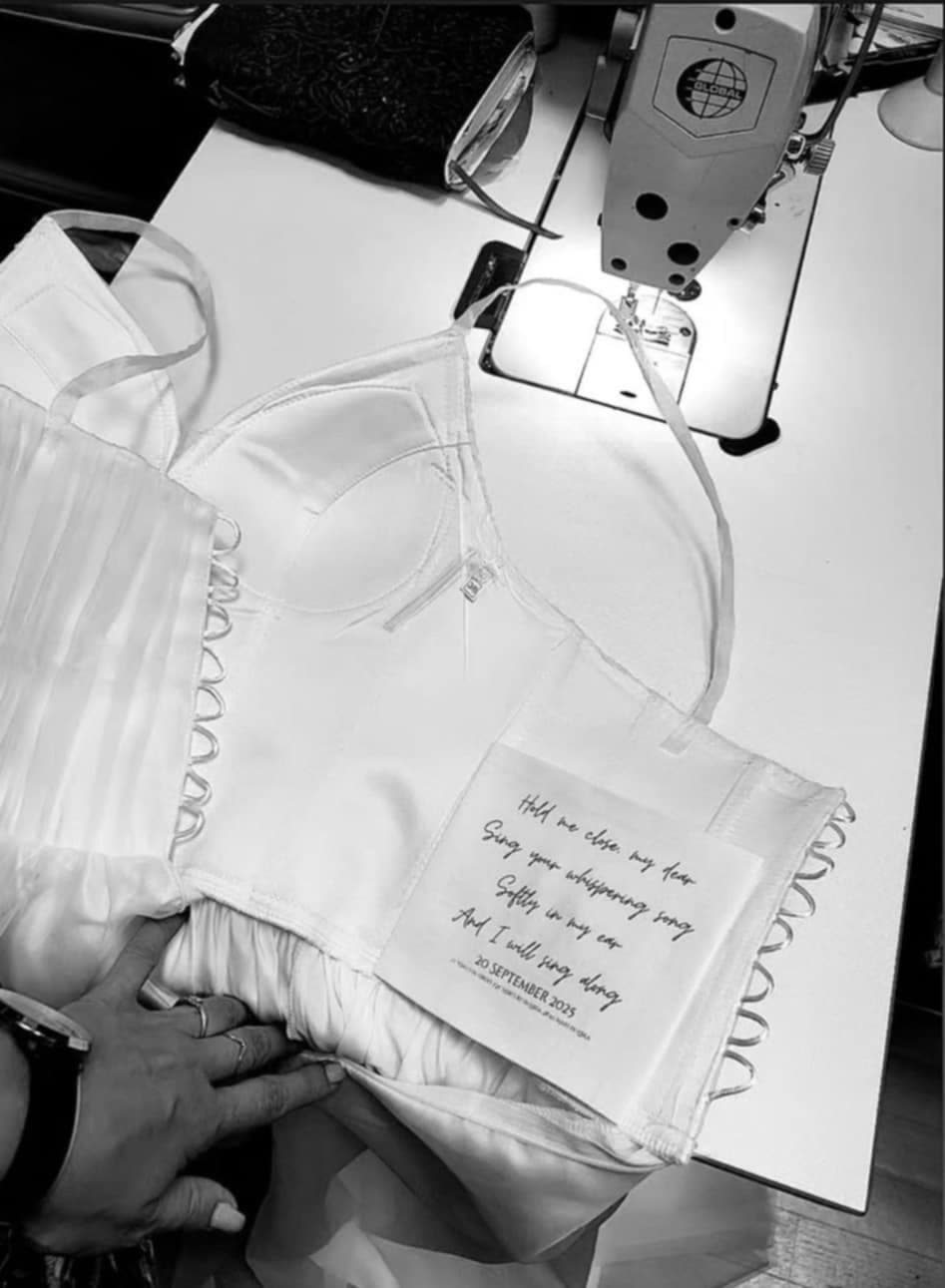
Hours live in the details
Hand finishing and embellishment.
Beading, lace placement, embroidery, pleating, appliqué, rolled hems and hand-covered fastenings can add many hours to a garment. The price is affected not just by the amount of decoration but by how it is applied. Machine embroidery on a flat panel is different from individually placing motifs around a neckline after the dress has been fitted. A narrow rolled hem around several metres of organza requires more labour than a straight cotton hem.
If you have a fixed budget, ask which detail creates the strongest visual effect. One deliberate embroidered area can sometimes preserve the character of a design more effectively than reducing the quality everywhere.
Where and how the dress is made.
An established Australian couture atelier with in-person consultations, several fittings and local overheads will naturally price differently from an online made-to-measure platform working with an international maker network.
MadeApt was founded in Perth and works with skilled tailors and artisans across a global network. Technology helps resolve the design, record measurements, communicate construction and document quality checks. The garment is still cut and sewn by a real person, but the process does not always require repeated appointments in a city atelier. That can make simpler custom work more accessible while allowing the maker to be selected according to the garment’s construction and fabric needs.
Timeline and shipping.
Custom work should not be treated like express retail. A short deadline can increase the quote if the maker must rearrange existing work, source fabric urgently or use faster shipping. In other cases, the maker may decline the job because accepting it would compromise quality. Always ask whether the quoted timeframe means:
Those are three different dates. For weddings, travel or important events, leave room for shipping delays and any final local adjustment.
What does a $229 USD MadeApt dress look like?
A dress near the lower end of MadeApt’s range is usually a technically straightforward piece: a clear silhouette, manageable fabric and limited internal structure. It may begin from a design that is already resolved and then be cut to the wearer’s measurements. The price is not intended to cover an entirely new corseted gown, custom-developed lace, elaborate draping or extensive hand embellishment.
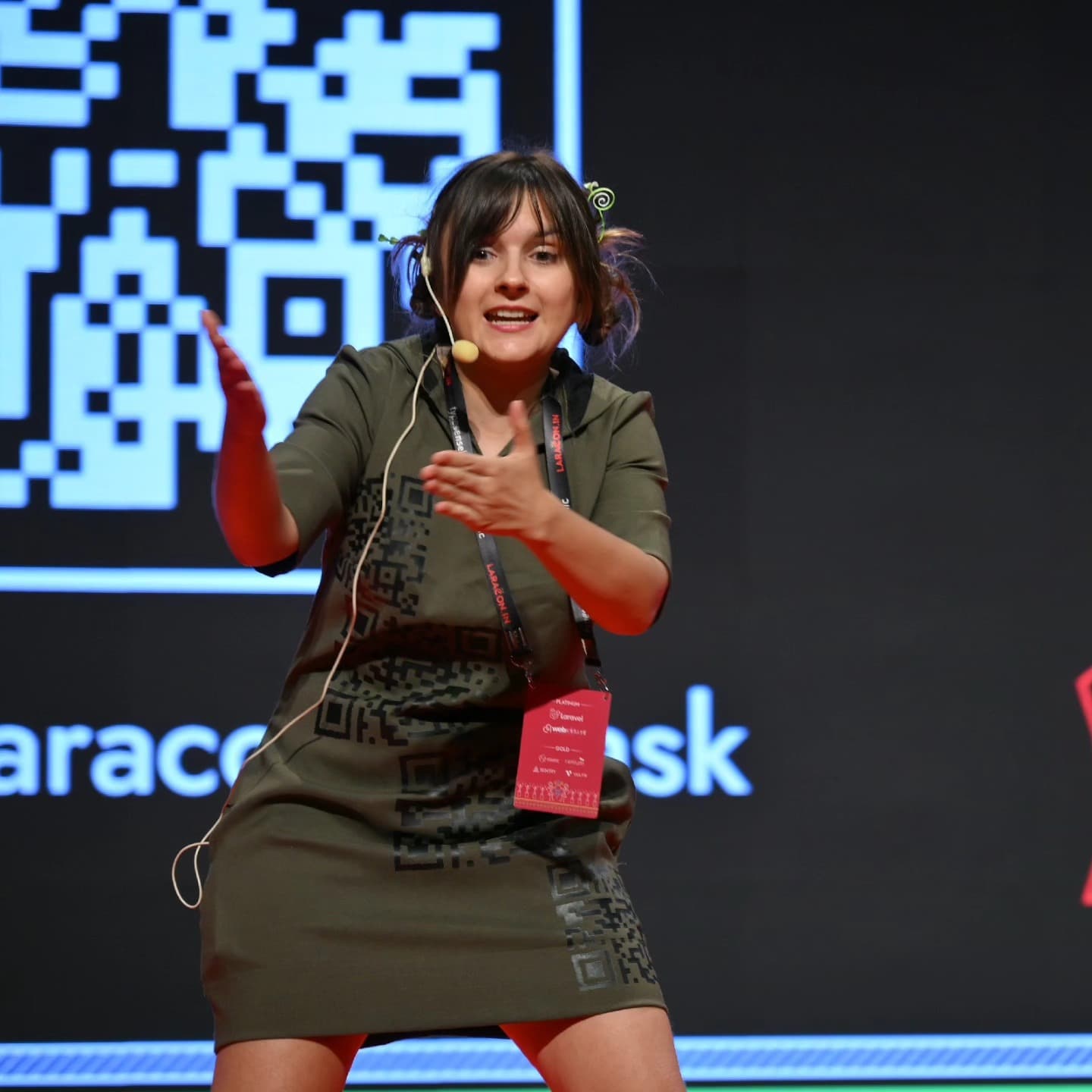
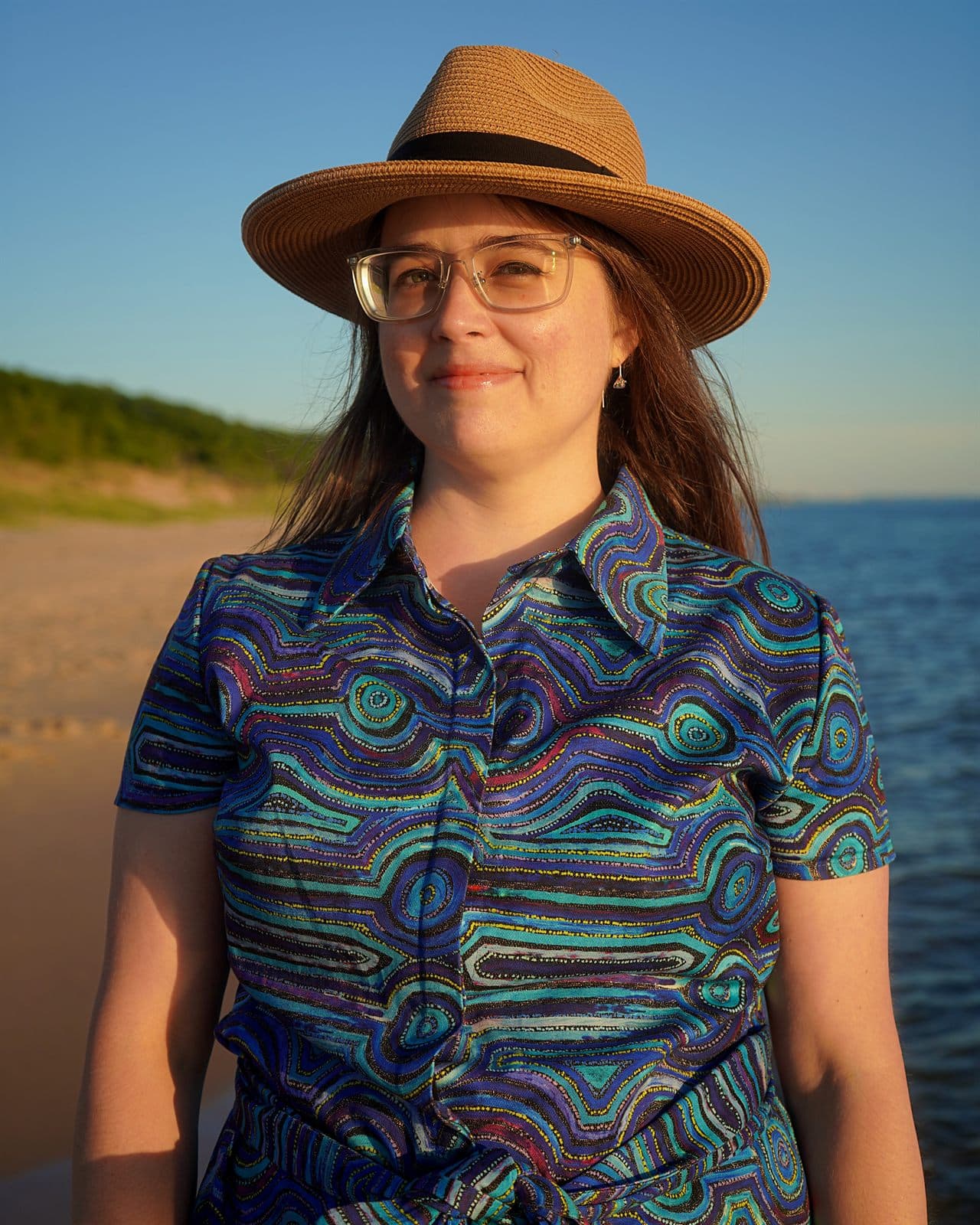
At roughly $499 USD, a custom-print dress may include fabric printed specifically for the garment as well as made-to-measure cutting and construction. Kate’s Dress Code, for example, uses custom-printed cotton featuring the wearer’s own code. Mary’s Emu Dreaming Shirt Dress is another real made-to-measure piece currently priced at $499 USD.
Is custom-made cheaper than buying a dress and altering it?
Sometimes — but not always.
Alter off the rack when
- The dress already fits well through its most structured areas
- Only the hem, straps or waist need adjusting
- The fabric and design are otherwise exactly right
- The alterations do not require reconstructing the garment
Custom may offer better value when
- Several parts of standard dresses consistently fit incorrectly
- Major alterations would disturb lace, beading or structure
- You need a specific combination of length, coverage and access
- You want a dress that does not exist in the fabric or proportions required
- You would otherwise buy several “almost right” dresses
Alterations are not automatically cheap. Australian alteration guides show that complex bridal work can reach several hundred dollars, and structural formalwear alterations can cost more. Ask for an alteration estimate before assuming an inexpensive retail dress will remain inexpensive.
How to request a useful custom-dress quote.
The more clearly you communicate the garment, the more meaningful the quote can be. Send:
- A front reference image or sketch
- A back reference, if available
- The elements you most want to preserve
- Your preferred fabric, colour and finish
- Your measurements or approximate standard size
- The event date and delivery location
- Your realistic budget
- Any movement, coverage or support requirements
If you need to sit, present on stage, breastfeed, travel, dance extensively or wear particular underwear, say so. These are construction requirements — not incidental personal details. A responsible maker should explain what is included, what may change and which part of the design is driving the price.
Questions to ask before paying.
The cheapest quote is not good value if the fabric is unclear, the deadline is impossible or nobody can explain how the design will be constructed.
A custom dress should be priced as a real object — not an image.
An inspiration image can make a dress look effortless. The quote reflects everything the image does not show: pattern work, fabric consumption, internal support, skilled labour, finishing, communication and risk.
For a transparent starting point, some MadeApt dresses can be made from around $229 USD, while custom-print pieces may sit around $499 USD. More complex designs are reviewed individually so the price reflects the garment that will actually be made. Explore custom-made dresses or open the MadeApt Studio to share a design, reference or idea.
Frequently asked questions
Source notes
Pricing checked in August 2026 against publicly available Australian pages, including:
- Dressmaking Boutique FAQs: custom formal dresses from $500 AUD; custom wedding dresses from $1,500 AUD.
- Envious Bridal formal and ball dresses: published starting prices from $500–$700 AUD depending on the category and details.
- Andrew J Semple dressmaking: occasion/cocktail dresses $500–$1,500 AUD; evening/formal gowns $1,500–$4,000+ AUD.
- Envious Bridal custom wedding dresses: custom bridal from $2,000 AUD.
- d’Italia wedding dress couture: custom wedding dresses without lace from $3,000 AUD and embellished work from $3,500 AUD.
- Julie Sufi bespoke couture: bespoke bridal starting from $5,000 AUD.
Prices can change. This guide keeps its review date visible and cited figures are rechecked during annual updates.
git commit -m "priced as a real object"
Wondering what your dress would actually cost?
Share a design, reference or idea and we’ll help resolve it into a garment that can be quoted honestly — fabric, structure, measurements and all.