Can ChatGPT estimate the cost of a custom dress?
The short answer
ChatGPT can help organise a dress budget or calculate a total from prices you provide. But a number based only on a picture is not a maker’s quote. Its usefulness depends on whether the fabric, construction, labour, location and delivery assumptions are actually known.
If an AI estimate and a dressmaker’s quote differ, the first step is not to decide which one must be wrong. Check whether they describe the same garment and the same service.
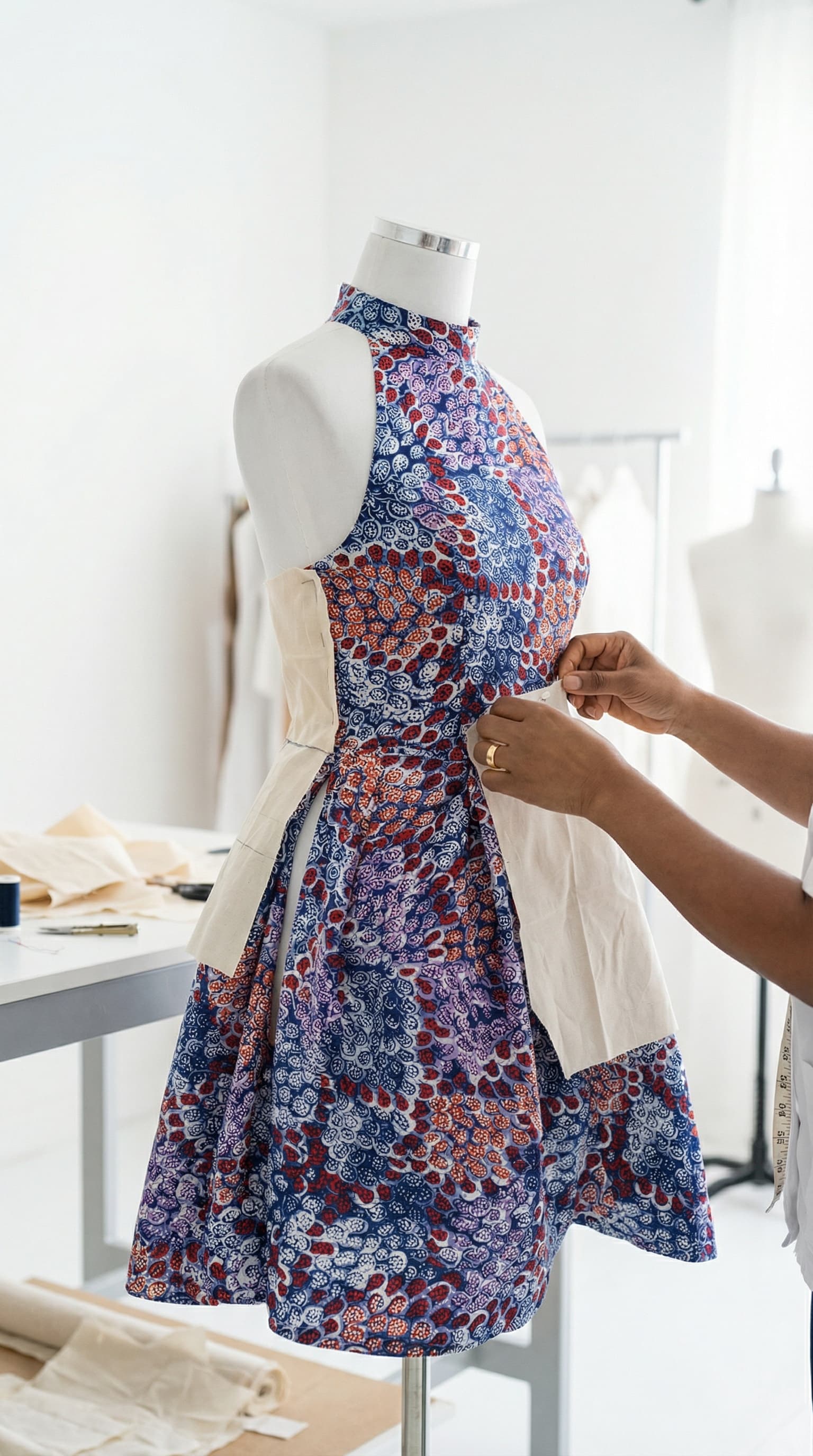
An estimate, a listed price and a quote are different things
An estimate may be a broad planning figure. A listed shop price applies to the product and options described in that listing. A personalised quote should specify what the maker is proposing to supply for your project, with the relevant inclusions and conditions.
Even a correctly retrieved product price does not automatically cover a different fabric, custom printing, a new bodice or an additional sample.
For an overview of price drivers and published examples, use MadeApt’s custom-made dresses in the US page. This article is about how to assess the number ChatGPT gives you, not a new set of market price ranges.
Ask where the number came from
Before relying on the answer, ask:
- Is this a current source price, my supplied figure, or an assumption?
- Which currency is it in?
- Does it describe one made-to-measure garment, an alteration, or a bulk-production unit?
- Which fabric and construction details were assumed?
- Is delivery included, and what other costs remain unresolved?
Follow any source link and read the actual listing. A low advertised starting price may describe a simpler service than the one in your image. A figure quoted in another currency also needs to be identified before it can be compared sensibly.
OpenAI’s guidance on reviewing ChatGPT results recommends verifying important numbers, checking source material and looking for unsupported assumptions. A garment budget is a useful place to apply that habit.
The image does not show the entire job
A dress that looks simple from the front may still require decisions about support, lining, fastening and fitting. A decorative surface may involve bought fabric, custom printing, embroidery or hand-applied detail: different processes with different requirements.
The point is not that custom work must always be expensive. It is that the visible silhouette is only part of what is being priced.
Consider two real MadeApt references.
 Catalogue reference
Lilac Midi Dress
Premium Linen · $259 USD
A linen dress design. Its listed price is for this dress as described, in its cloth, with its options.
 Catalogue reference
Kate's Dress Code
Custom-Print Cotton · $549 USD
Custom-printed cotton. A request to develop new artwork or change a construction detail is discussed on its own terms.
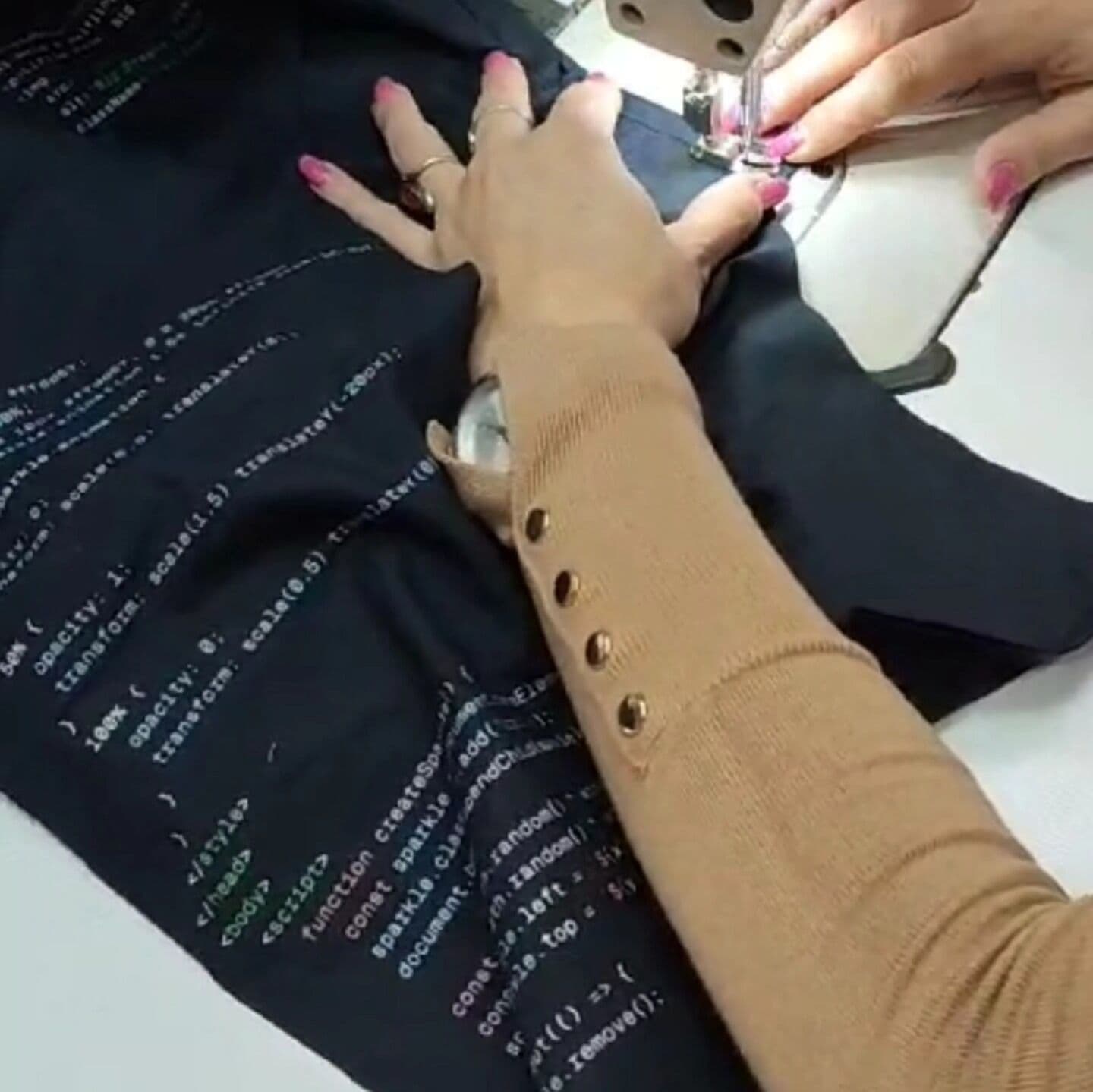
A request to develop new artwork or change a construction detail needs to be discussed on its own terms. Neither product’s listed price is a universal quote for every dress that looks broadly similar.
Build a cost checklist before asking for a grand total
Use a simple record that distinguishes known amounts from unanswered questions:
| Component | What needs to be established | Where the answer should come from |
|---|---|---|
| Main fabric and lining | Actual material and required quantity | Supplier information and maker’s cutting assessment |
| Making and development | Work included, including any new pattern or agreed sample | Maker’s quote |
| Extra detail | Printing, embroidery, trims or specialist work, if applicable | Relevant supplier or maker |
| Delivery | Destination, service and whether it is included | Confirmed delivery arrangement |
| Other conditions | Applicable charges, change costs and what remains excluded | Written terms for the actual order |
Do not add a separate line for something already included in the garment quote. Equally, do not fill an unknown line with zero to make the total look complete.
You do not need a maker to disclose their private wage or margin breakdown. You need enough clarity about the scope to know what you are agreeing to buy.
A more useful budget prompt
Instead of “How cheaply can this be made?”, ask ChatGPT to expose the missing information:
Help me prepare a budget brief for this custom dress. My delivery country is [country], my currency is [currency], and my maximum total budget is [amount]. The details I most want to keep are [details]. Use any supplied prices as labelled inputs, not as universal market rates. Separate confirmed costs, assumptions and unknowns. Identify what a maker needs to quote, and suggest questions about simpler options. Do not invent labour hours, fabric quantities, supplier prices or tax rates. Do not claim an exact total when important costs are missing.
This is a suggested prompt, not a claim that we have tested a particular answer. Replace the bracketed fields with your information and leave anything you do not know open.
You can also provide two actual quotes and ask for a comparison of their inclusions. Verify the comparison against the originals, and remove personal or payment details that are not needed for the task.
If the quote is above your budget, change the brief deliberately
Choose the two or three details that make the dress special to you. Then ask the maker which changes could reduce the work or material cost while preserving those features.
For example:
Example brief
The neckline and overall silhouette are my priorities. I am flexible about the decorative trim and would consider an existing MadeApt design as a starting point. Please tell me which options fit my budget and what each one would change.
That request leaves room for a useful answer. An AI instruction to “make it half the price but keep everything identical” does not establish that an equivalent garment can be supplied for less.
Do not assume that removing an invisible feature is a sensible saving. Discuss any proposed change to support, lining or fastening with the maker, because the feature may be doing important work.
Does paying in instalments make the dress cheaper?
Not by itself. An instalment arrangement changes when payments are made; compare the full amount payable and the terms, including any applicable fees. Confirm what happens to design approval, production and delivery under the arrangement you choose.
Available payment options should be checked when ordering. An AI answer should not invent a deposit percentage, repayment schedule or eligibility promise on the maker’s behalf.
What should go into the quote request?
Send the clearest design reference, your must-keep details, budget range, currency, delivery country and any fixed event date. Include relevant fabric information, and say whether a sample is something you want priced separately rather than assuming it is included.
At MadeApt, the ChatGPT design-to-dress guide explains the enquiry pathway. You can start from an idea without resolving every technical detail yourself.
The useful outcome is not a reassuring number from a chatbot. It is an agreed garment, an understood price and a realistic next step.
Related guides
custom-made dresses in the USA
Ordering from the US: prices in USD, delivery and timing.
chatgpt designed my dress. how do i get it made?
The enquiry pathway from one chosen image to a tailor’s quote, and what ChatGPT images get wrong for production.
chatgpt suggested a fabric for my dress. how do i check it?
The material is usually the largest unknown in an estimate. How to turn a suggestion into supplier facts.
not sure which dress to make? book a designer consult first
Settle on one design and a realistic price range with a designer before you request a quote.
Request a quote for your dress idea.
Send the reference, your must-keep details, budget range, currency, delivery country and any date. A real person replies with a quote that says what is included, before any payment.