What to wear on a podcast or TV interview when you want to stand out
The short answer
The best outfit for a video podcast or TV interview is comfortable when seated, works with the studio background and has one distinctive detail that feels like you. That might be a strong colour, an original illustration or a beautifully cut jacket. Start with the part of your outfit the camera will actually see.
Then make it personal.
For AI founders, developers and people with something of their own to say.
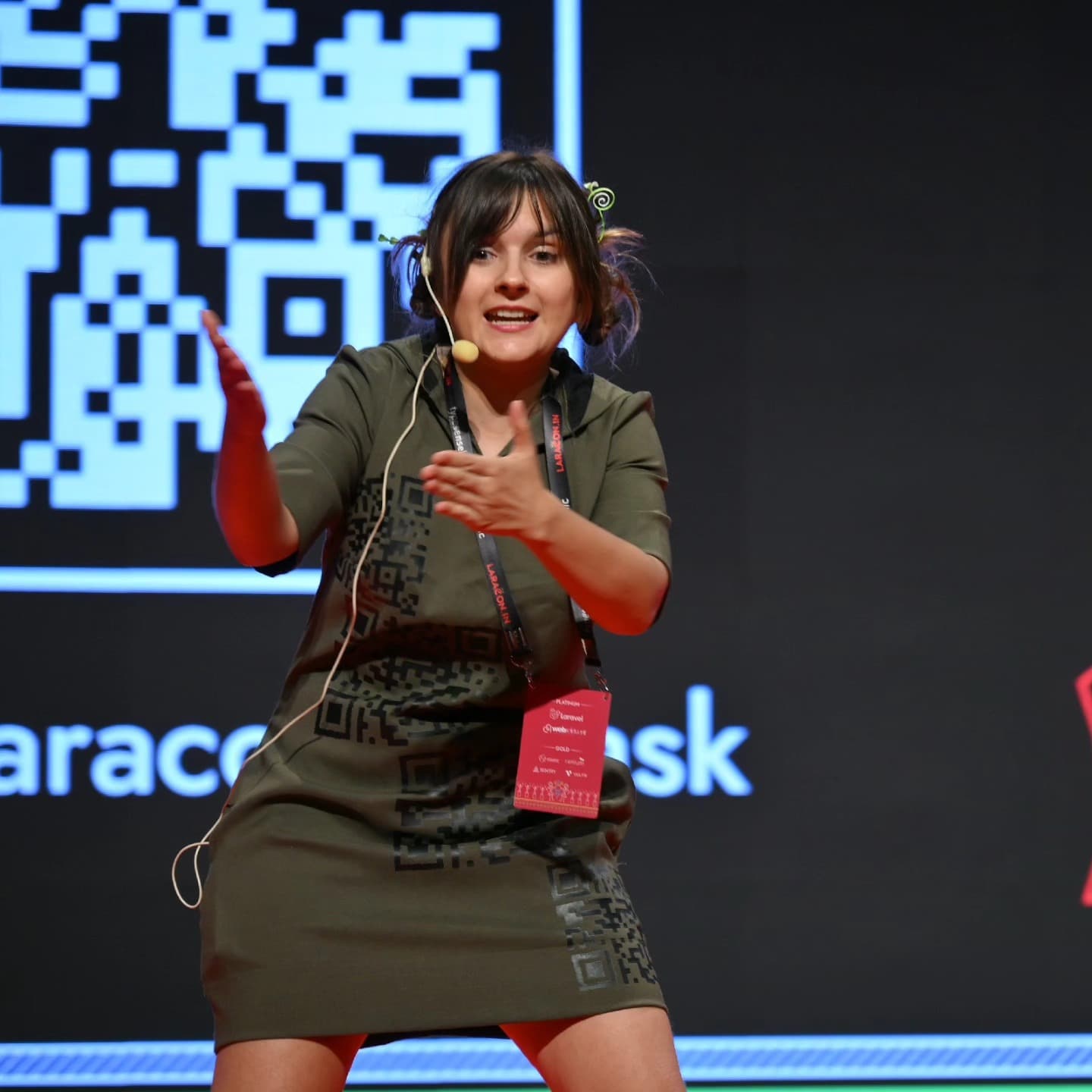
Even the black sheep has become a dress code
There is something quite funny about wearing the same symbol of individuality as someone else.
Take the black sheep. In his 2023 fireside chat with NVIDIA’s Jensen Huang (opens in a new tab), OpenAI co-founder Ilya Sutskever wore a red top patterned with white sheep and one black sheep. It is the sort of detail you notice even if you came for a conversation about AI.
The motif has a much longer history than the current AI boom. Warm & Wonderful’s founders created their sheep design in 1979, and it became famously associated with Princess Diana, as the brand’s own history (opens in a new tab) tells it. Silicon Valley did not invent the black sheep. Fashion got there a few decades earlier.
We cannot tell you why someone chose a particular shirt. But the appeal of a recognisable visual signature is easy to understand.
If you are building something unusual, putting your ideas into the world and appearing in interviews, you might want your clothes to carry a little of that personality too.
And you have more options than borrowing another founder’s uniform.
You have built something of your own. Wear something of your own, too.
A podcast appearance can become a thumbnail, a conference introduction, a LinkedIn clip and the video someone watches before deciding to get in touch.
What would you like to be wearing in those moments?
Maybe it is a shirt featuring an illustration you drew while building your first product. A jacket in the purple you keep coming back to. A dress with an architectural neckline. A small embroidered reference that makes exactly three people in your field laugh.
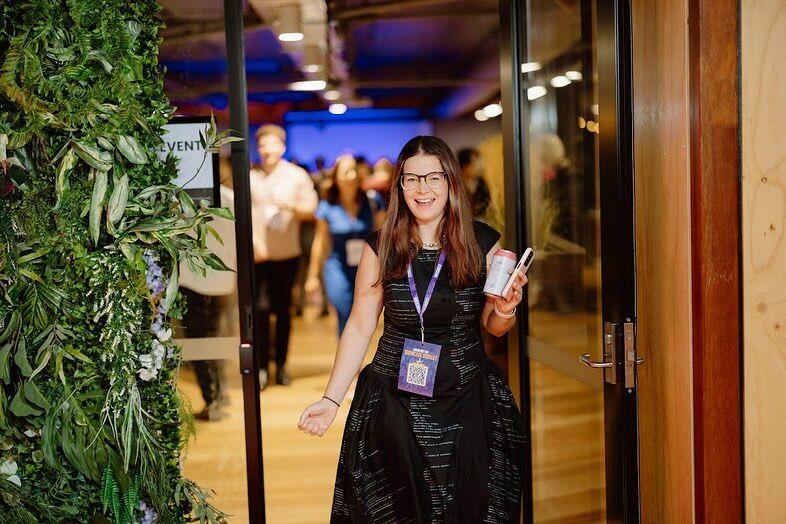
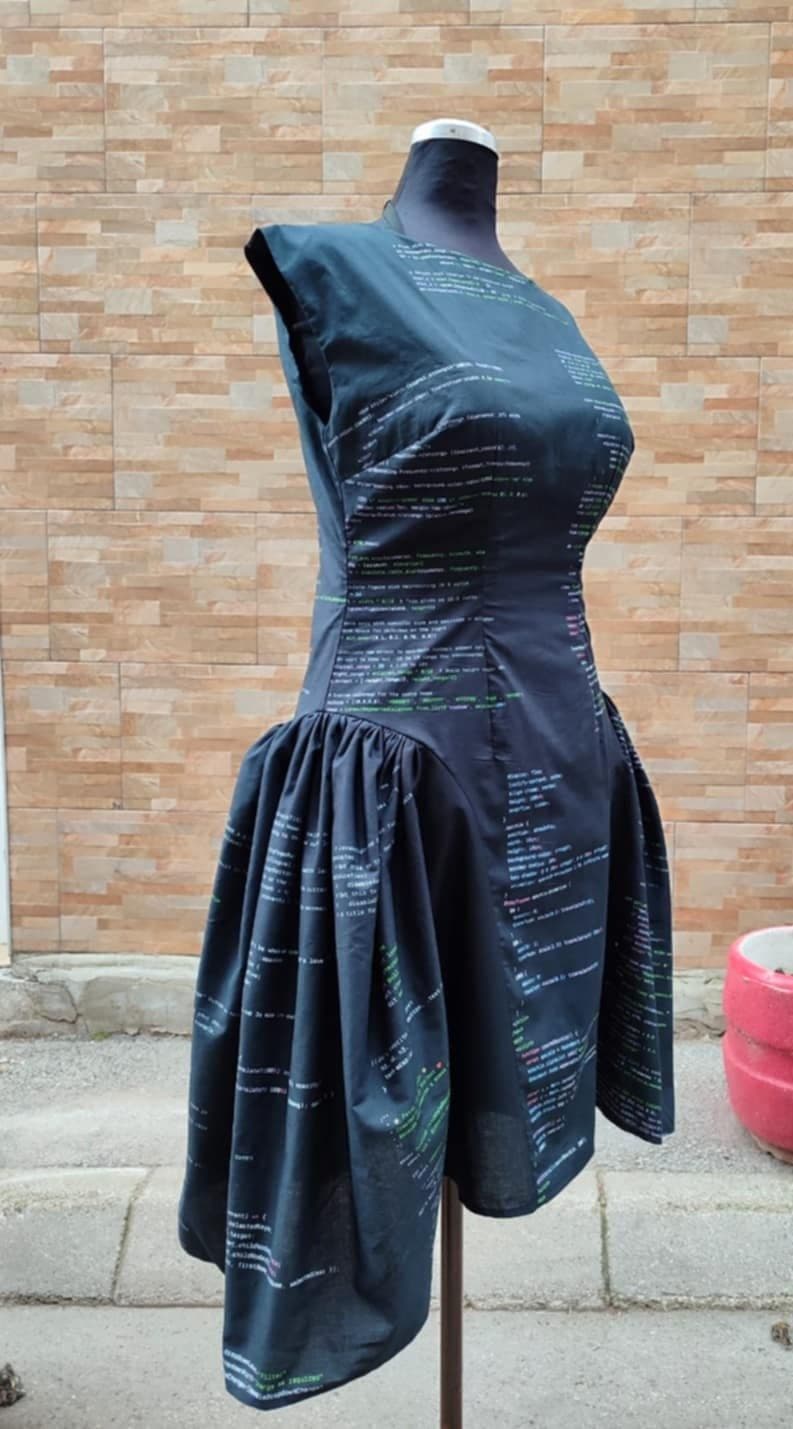
Your outfit does not have to explain your entire company. One detail with a reason behind it is enough.
Our starting point: choose something you would enjoy wearing even if nobody asked about it. Then, if someone does, you have a real answer.
Podcast outfit ideas for founders and people working in AI
These are starting points for an original design, subject to fabric and maker review.
| Your style | An outfit idea | The detail that makes it yours |
|---|---|---|
| Relaxed and playful | An easy shirt with simple trousers | An original, generously spaced illustration |
| Quiet and precise | A soft jacket over a plain top | A distinctive collar or contrasting edge |
| Colourful and expressive | A tailored dress or coordinated set | Your favourite colour and an unusual neckline |
| Minimal with an inside joke | A clean overshirt | A small embroidered symbol near the collar |
| Visually bold | A statement jacket with familiar basics | A placement print made from your own artwork |
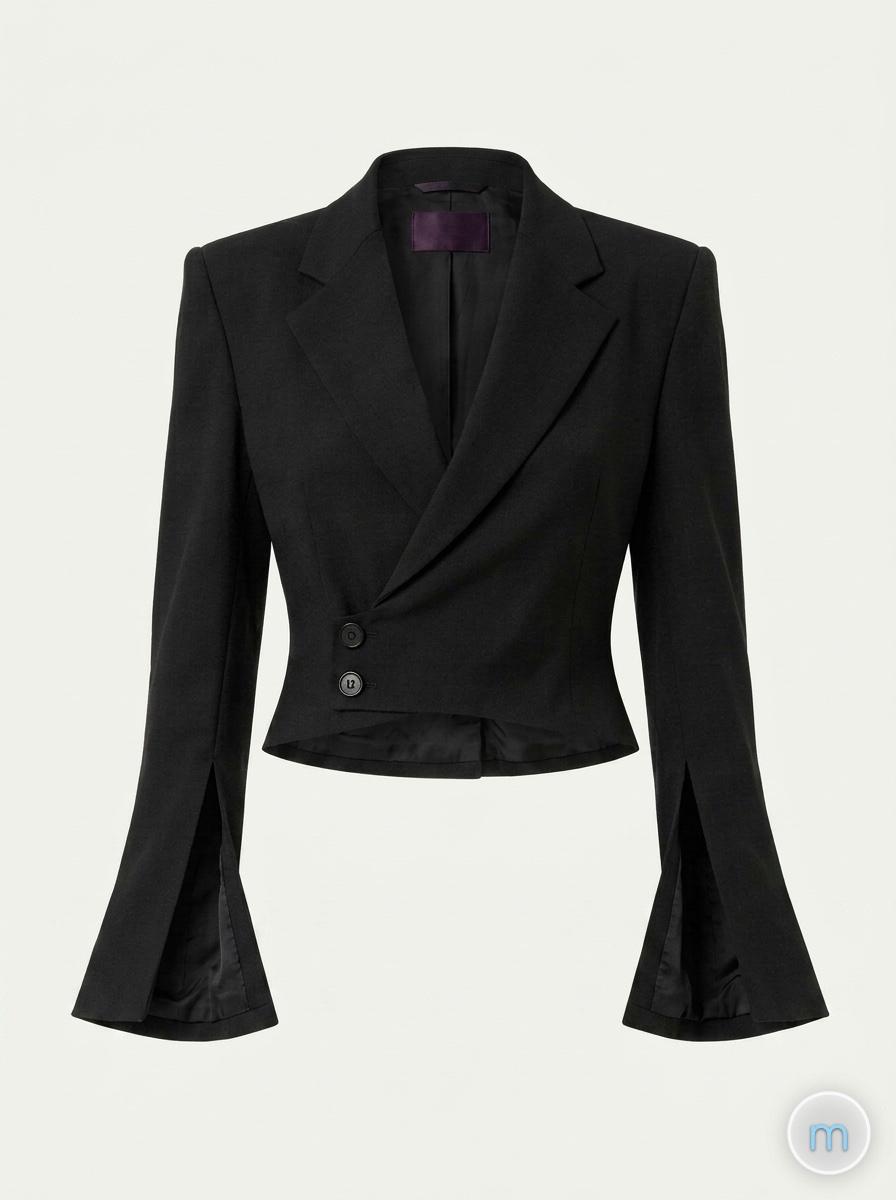
Think about where the interesting detail sits. A design at the hem may disappear in a seated interview. A collar, shoulder detail or motif on the upper chest has a better chance of staying in frame, depending on the camera crop and microphone position.
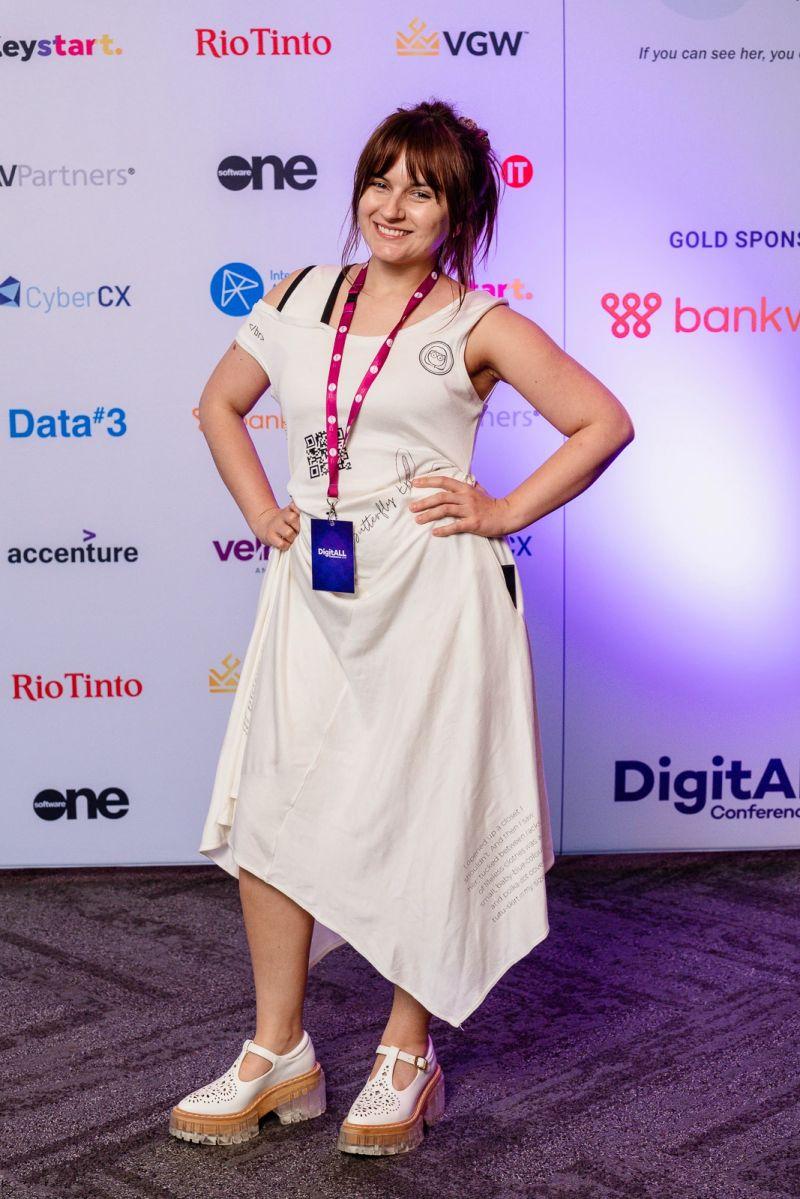
What works on camera?
Give your outfit a short recording test before the interview. Studio lighting, backgrounds and camera settings all affect the result.
- Check the background. Choose enough contrast that your outfit remains visible against the set.
- Test tight stripes and busy prints. Fine stripes and tight checks can produce distracting visual effects on camera.
- Check shine. Reflective fabrics and trims can catch the lights; a matte finish is often easier to work with.
- Listen as well as look. Noisy fabric, watches and jewellery can interrupt an otherwise good recording. Riverside’s live podcast guide (opens in a new tab) gives the same advice on prints, shine and sound.
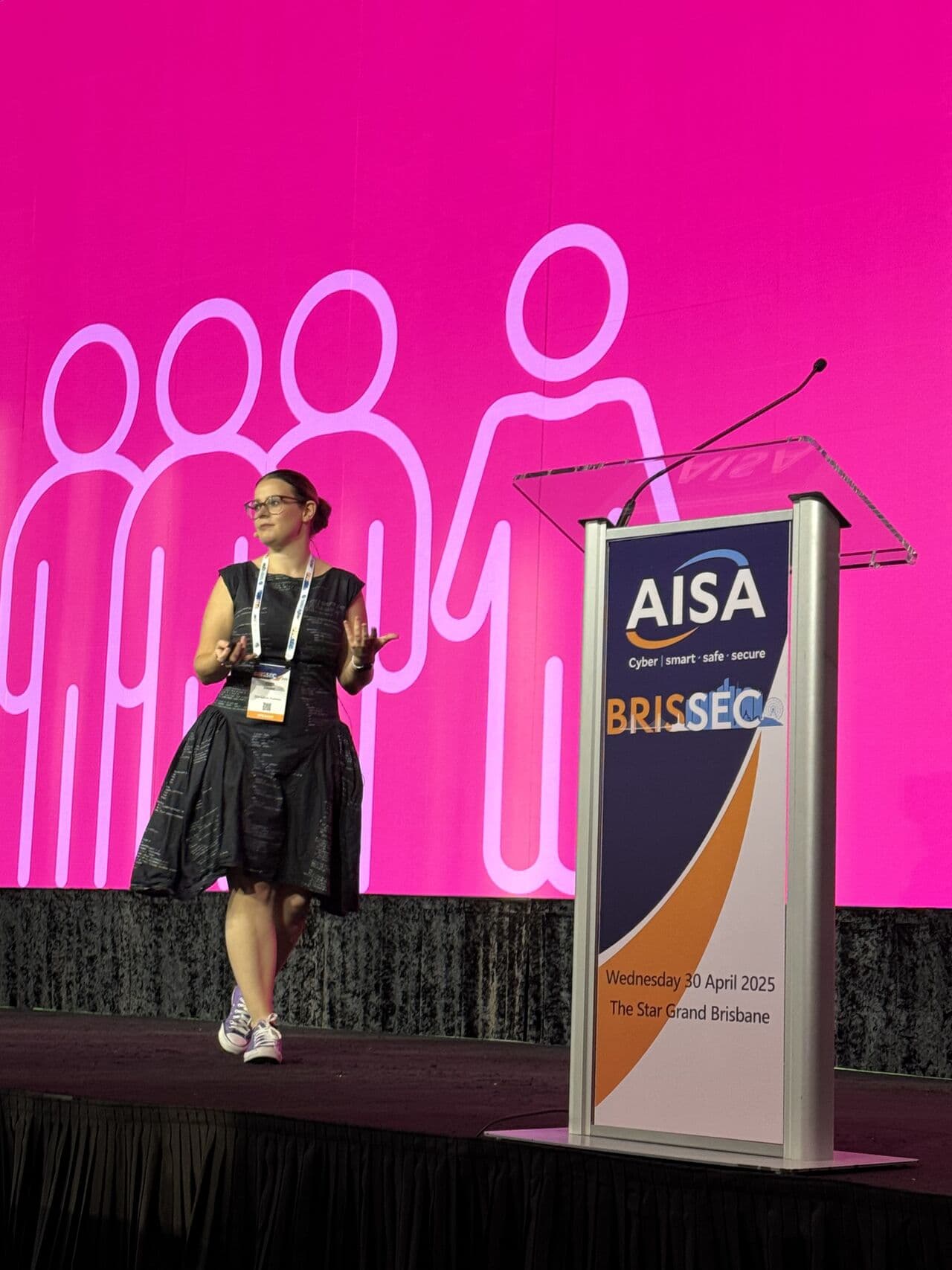
Ask whether the team uses a desk microphone or a clip-on microphone. A clip-on needs a suitable attachment point, and where it sits depends on what you are wearing, as Shure’s lavalier placement guide (opens in a new tab) explains. Keep fabric and accessories from rubbing against it.
Then sit down, lean forward, turn towards an imaginary host and move your arms. Check whether the buttons pull, the neckline shifts or the jacket rides up. Comfort matters when you are trying to explain something complicated.
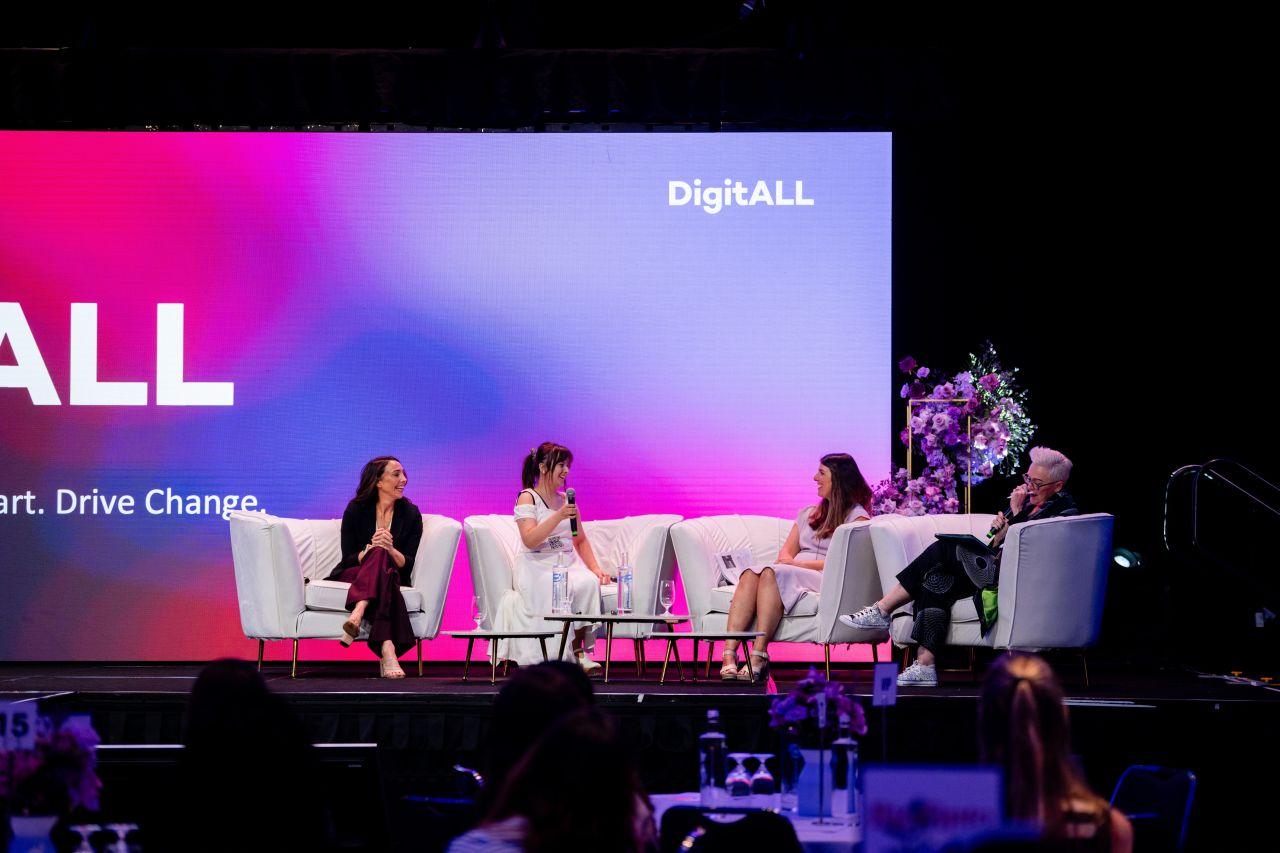
For TV, ask the producer about wardrobe restrictions and the set before choosing your final look.
Design your own interview outfit with MadeApt
MadeApt helps you take a clothing idea from a description, sketch or reference to a piece made to your measurements by a tailor. You can explore the idea in the design studio, then work through the fabric, fit and construction with the team. How it works has the steps.
You do not need to arrive with a finished fashion drawing. A useful starting brief might be:
I am an AI founder preparing for video podcasts and conference interviews. I want a relaxed cobalt-blue shirt with an original, widely spaced constellation illustration across one shoulder. Matte fabric, comfortable when seated, no large text, and a neckline suitable for a clip-on microphone. I want to wear it to work afterwards, too.
Or:
Design a plum-coloured tailored dress for a technology founder speaking on camera. Give it a distinctive asymmetric neckline, comfortable sleeves and room to sit naturally. Keep the front suitable for a microphone and the overall shape simple enough to wear again.
An AI visual can help you explore a direction. Your maker still needs to assess the real fabric, artwork placement and construction before it becomes clothing.
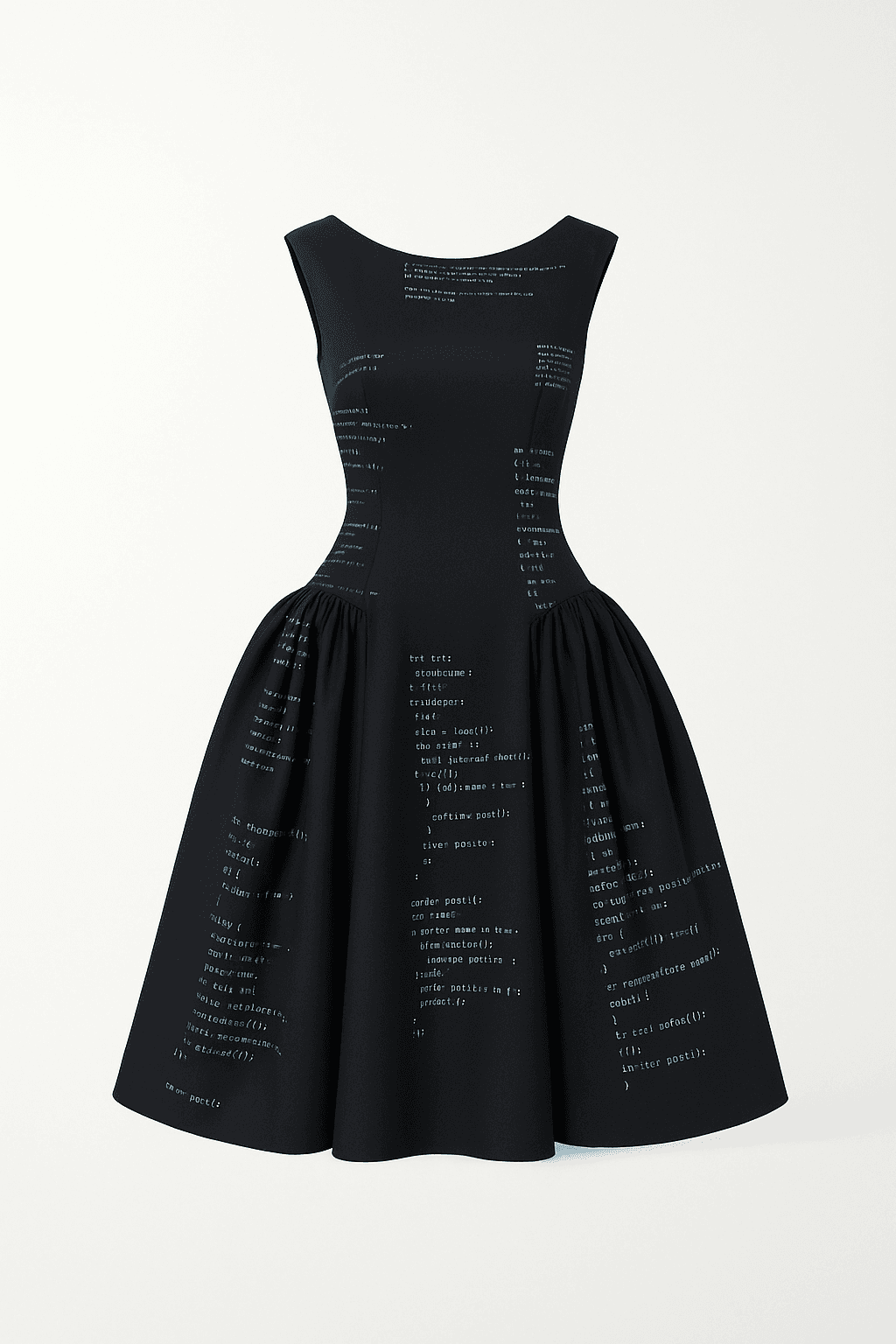
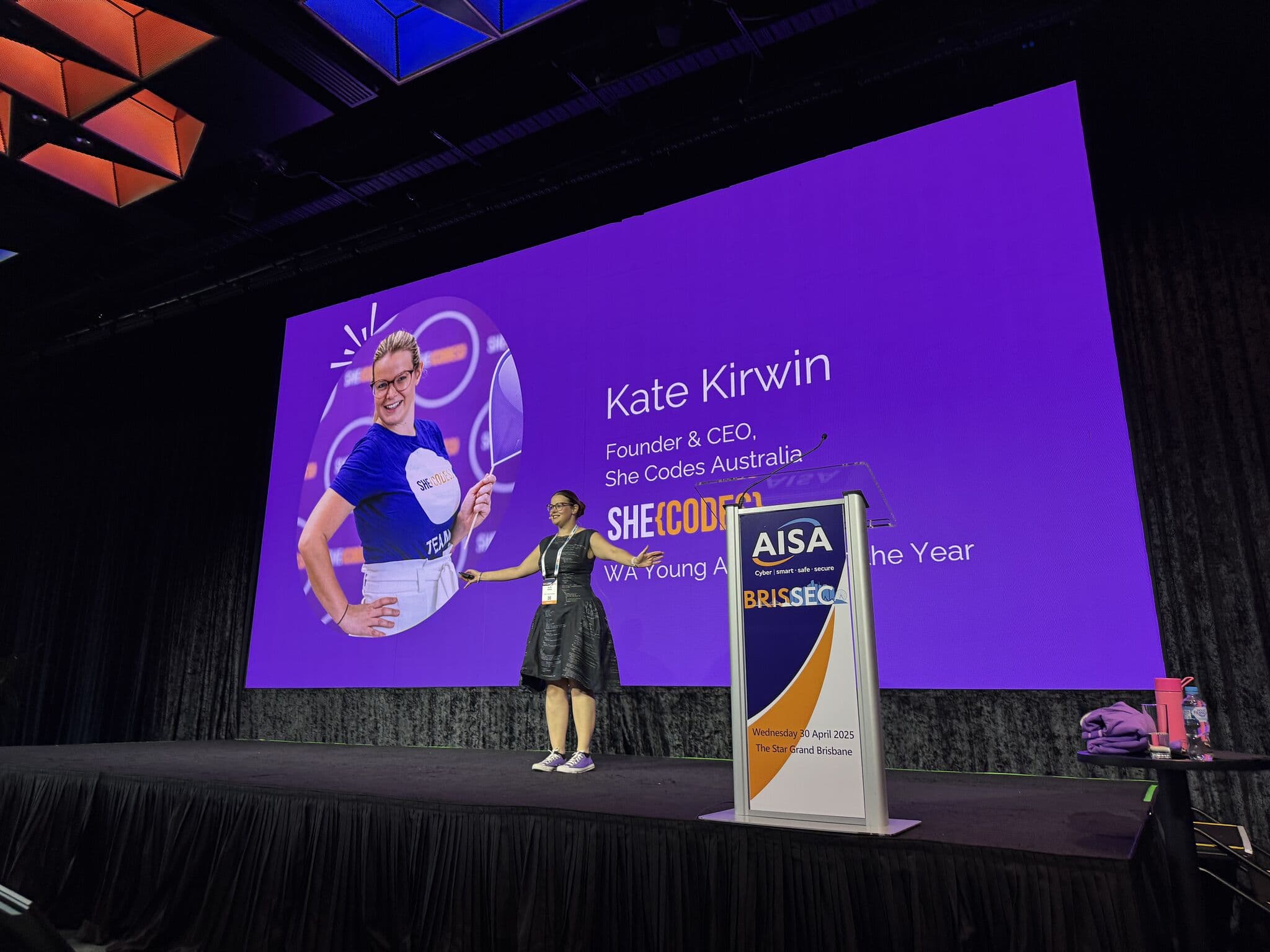
Bring your own artwork or commission something original. The interesting part is finding your visual language, with a maker who can help turn it into a wearable piece.
If your values are part of your story, ask who makes your clothes
Personal style includes the choices behind the garment.
MadeApt works with tailors and artisans in Bosnia and Herzegovina, India and Vietnam, matching pieces to the skills their construction needs. You can meet the makers through our artisan network.
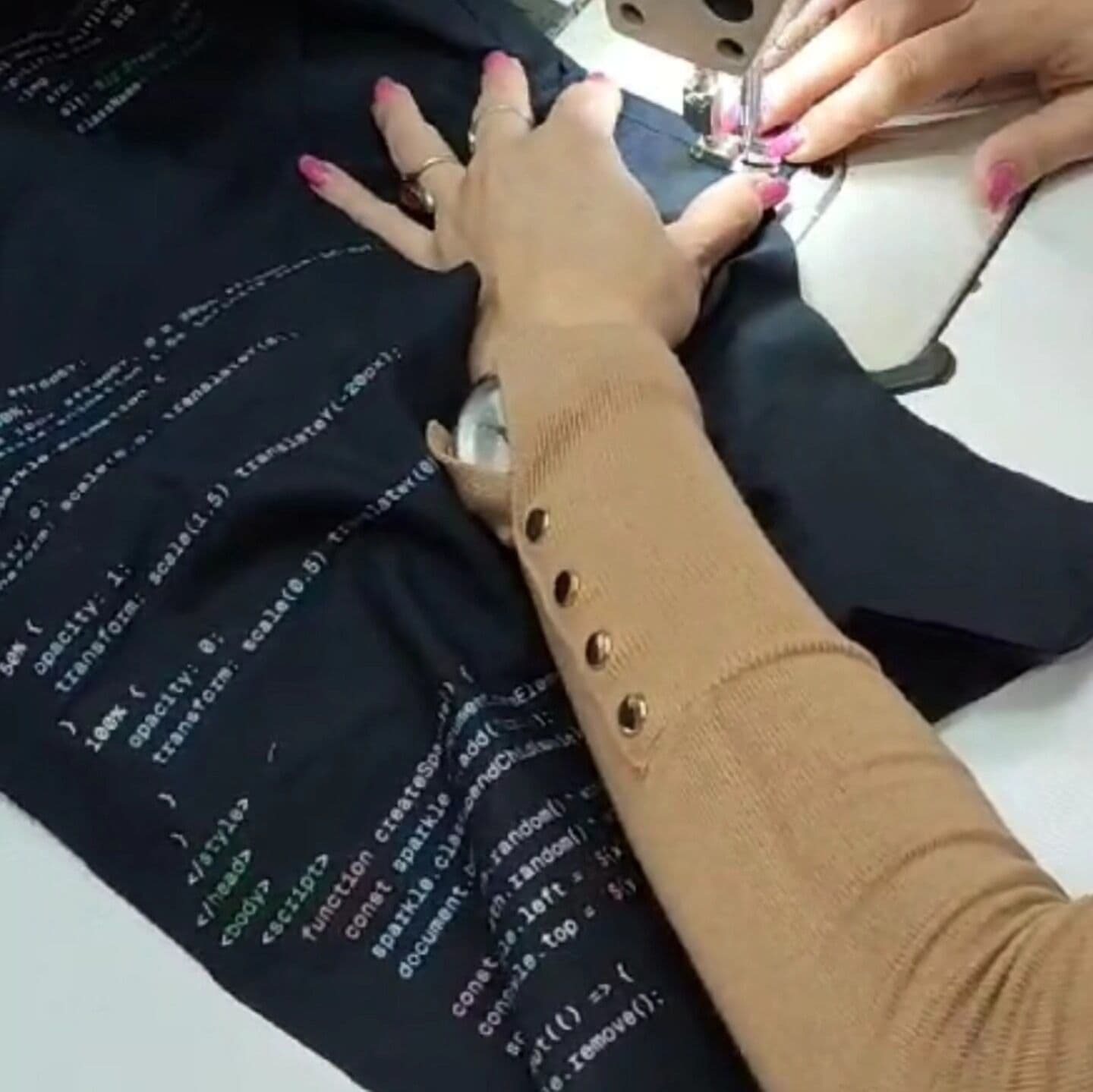
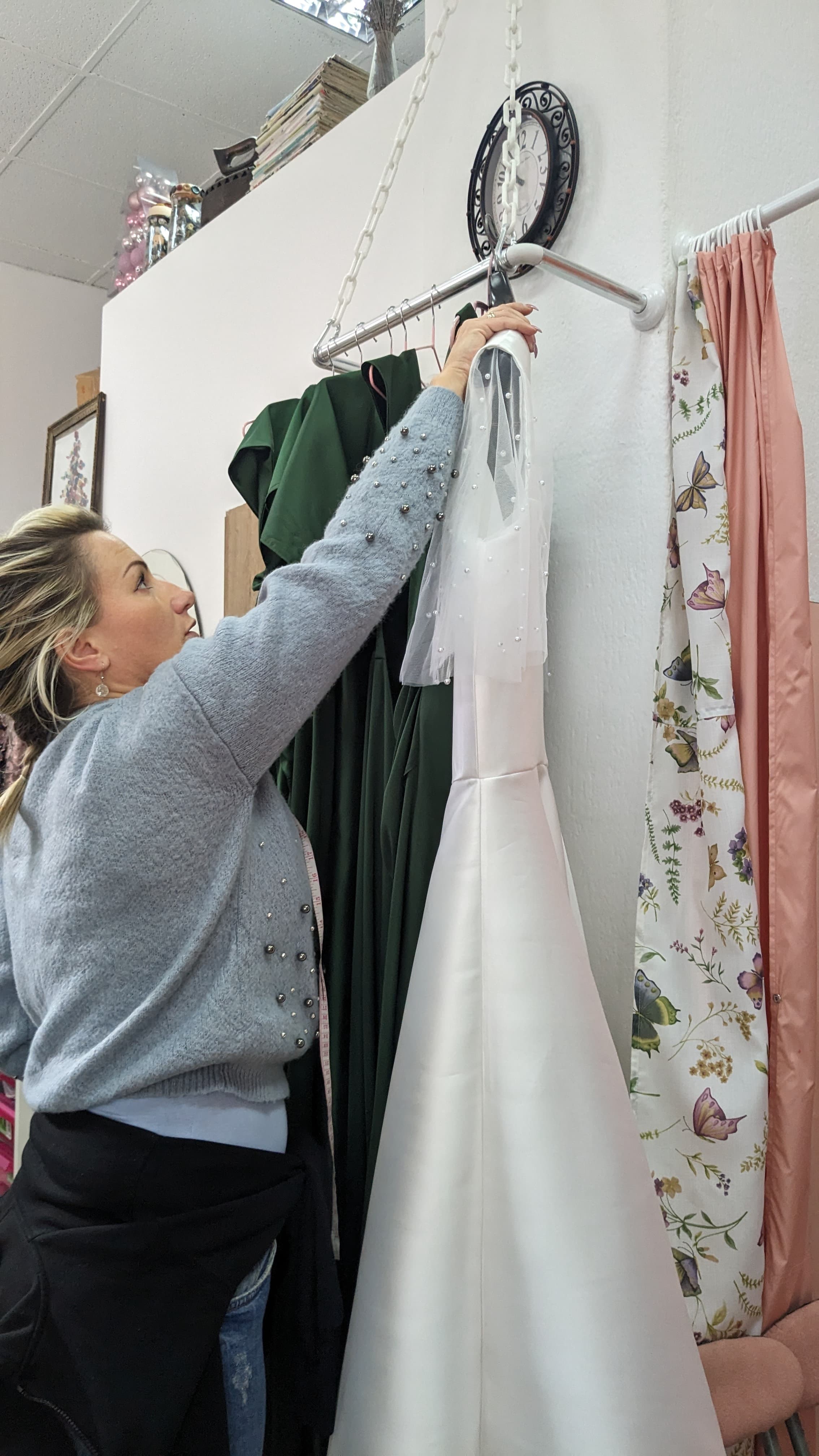
If ethical production matters to you, ask concrete questions: who will make the piece, how their work is paid, what the fabric is and how the garment can be cared for or repaired. A custom label alone does not answer all of those questions.
Choose something you can imagine wearing beyond one interview. The same jacket could become your conference piece, your launch-day outfit and the thing you reach for before a difficult presentation.
Before you commission your piece
Send us your recording date, budget, preferred garment, ideas or references, and anything you know about the studio setup. We will need to confirm feasibility, materials, price and timing for your particular design.
If the interview is next week, begin with a favourite outfit you already own. Custom clothing needs time for design decisions, making and delivery.
If you have time to create something, start with one piece. You do not need a whole new wardrobe to have a recognisable style.
Questions about podcast and TV interview outfits
Editorial sources
Related guides
what to wear when speaking at a tech event
The standing version: shape, colour and comfort for a keynote, a panel or a demo day.
how to turn an AI clothing design into real clothes
What a maker needs beyond the picture, with real orders shown from sketch to finished piece.
can you get a dress made from a picture?
One image is enough to begin. What makes a good reference, and what a tailor needs with it.
what should you wear on stage?
Silhouette, colour under lights and fabric that survives a set, for musicians, dancers and cabaret acts.
Your next appearance, in something that feels like you
You already have something to say. Give yourself something you love wearing while you say it.
The black sheep has had a good run. What is your thing?