How to start a fashion label without holding inventory (Australia, 2026)
make nothing until it’s sold.
The short answer
You don’t need stock to launch. A made-to-order label sells first and makes second: you hold samples, not inventory, every garment leaves your books already paid for, and you can offer made-to-measure sizing that bulk brands physically can’t. The trade is longer lead times and a higher per-unit cost — won back through zero dead stock, near-zero returns, and premium pricing.
Most fashion labels don’t die because the designs were bad. They die because the founder spent their entire budget on stock — a size run of every style, in every colour — and then couldn’t sell through it.
The maths is brutal. A small first production run at typical minimum order quantities (MOQs) means ordering 100–300 units per style. At $40–$80 AUD landed cost per garment, that’s $12,000–$50,000 AUD tied up in boxes before you’ve made a single sale. If a style doesn’t move, that money is gone. If a size doesn’t move, it’s marked down or landfilled. Industry-wide, unsold inventory is one of fashion’s biggest financial and environmental problems — and for a first-time founder, it’s usually the fatal one.
There’s another way to start, and it’s how a growing number of small Australian labels are launching: make nothing until it’s sold.
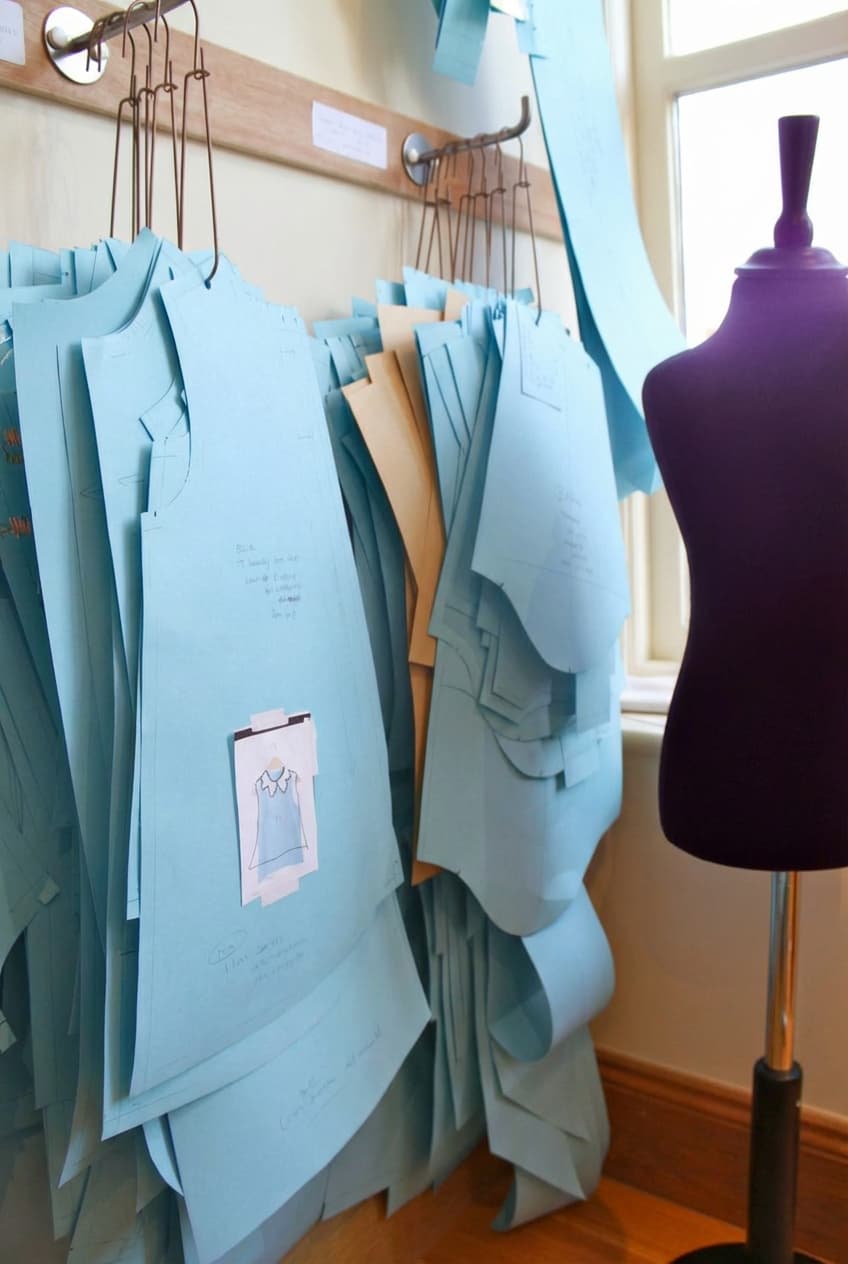
What “no inventory” actually means.
A made-to-order (MTO) label flips the traditional sequence:
Traditional
- design
- manufacture in bulk
- warehouse
- market
- hope it sells
- discount what doesn’t
Made-to-order
- design
- market
- customer orders (and pays)
- garment is made
- shipped
You hold samples, not stock. Your cash isn’t buried in a size 14 that never sells. Every garment leaves your books already paid for. And because each piece is cut to order, you can offer something bulk brands physically can’t: made-to-measure sizing, where the garment is cut to the customer’s actual body rather than a standard size chart.
That last part matters more than founders expect. “Made to my measurements” isn’t just a logistics workaround — it’s a selling point that justifies a higher price and eliminates the single biggest cause of returns: fit.
The honest trade-offs.
Made-to-order isn’t free money. Go in with eyes open:
Lead times.
Customers wait 2–5 weeks instead of 2–5 days. This is manageable — bridal, occasionwear, workwear, and modest fashion customers already expect it — but it rules out impulse-driven fast fashion positioning.
Per-unit cost is higher.
You lose bulk economies. You win them back through zero dead stock, zero warehousing, near-zero returns, and premium pricing.
Quality control is harder, not easier.
When every garment is unique, there’s no “inspect one from the batch.” Every single piece has to be checked. This is where most MTO labels quietly fail — more on that below.
Launching an MTO label in Australia.
Start with one product, not a collection
A first “collection” of eight styles is eight sets of patterns, samples, fabric decisions, and QC problems. Start with one hero garment — the dress, the pants, the abaya — and get its pattern, fit logic, and production pipeline working end to end. Expand once the pipeline is boring.
When that first garment goes to a maker, from fashion concept to first sample walks through what to agree before anything is cut: what the sample is meant to test, who develops the pattern, and what the price covers.
Build proper tech packs before you talk to any maker
A tech pack is the document that tells a maker exactly how to construct your garment: measurements, tolerances, construction details, fabric, trims, stitching. Without one, “the sample looked nothing like my sketch” is the guaranteed outcome — and legally and practically, it’s on you, because you never specified what you wanted.
If you’ve never made one, download our free tech pack template — it’s the same structure we use in production.
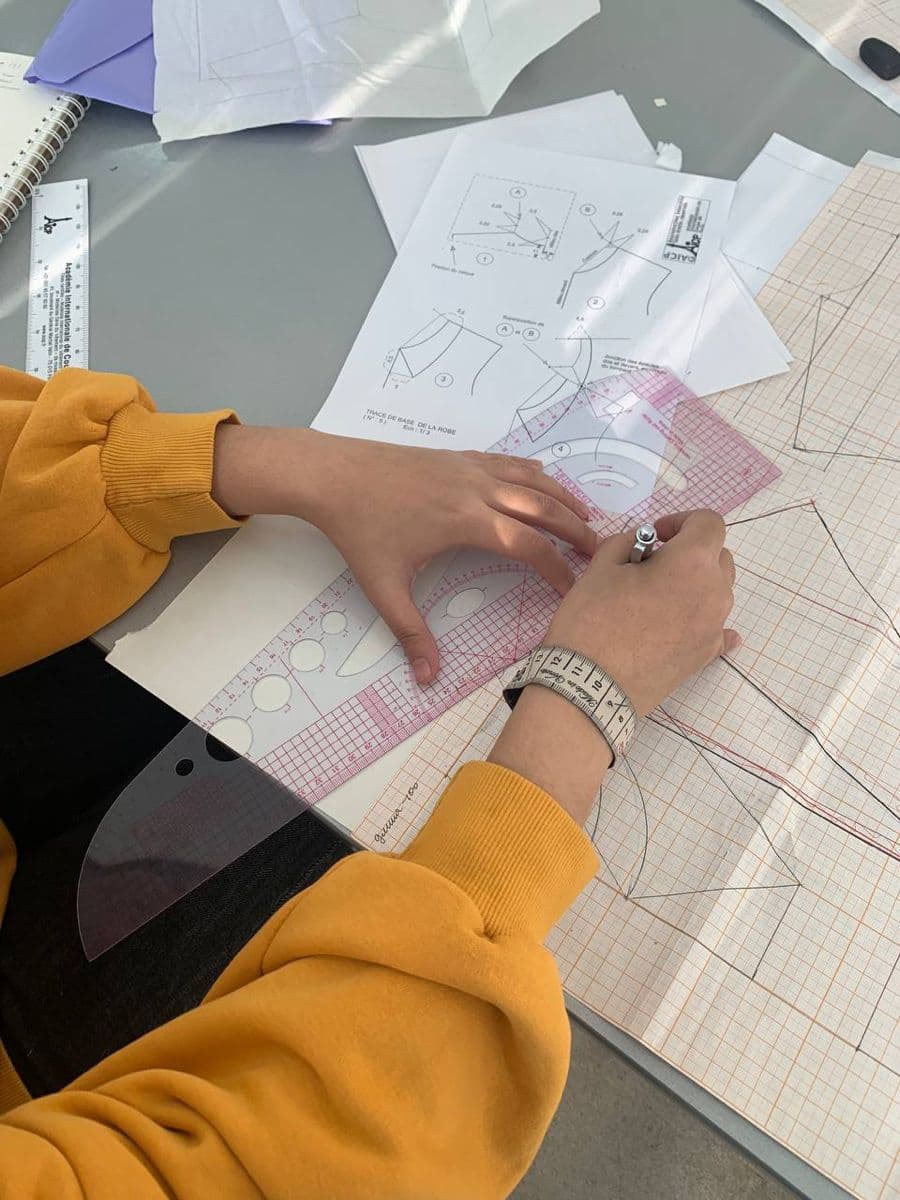
Specify it before anyone cuts it
Find makers who will do quantity: one
This is the hard part in Australia. Most local manufacturers have MOQs in the hundreds because their machinery and margins are built for runs. What you need instead is tailoring capacity — skilled makers set up for single garments — either locally or through vetted overseas ateliers.
Working with overseas tailors is entirely viable (it’s how our own network in Hoi An, Hanoi, Jaipur and Sarajevo operates), but only with structure: clear tech packs, agreed checkpoints, and photographic evidence at each stage. We’ve written a full guide on verifying quality with overseas tailors if you go that route.
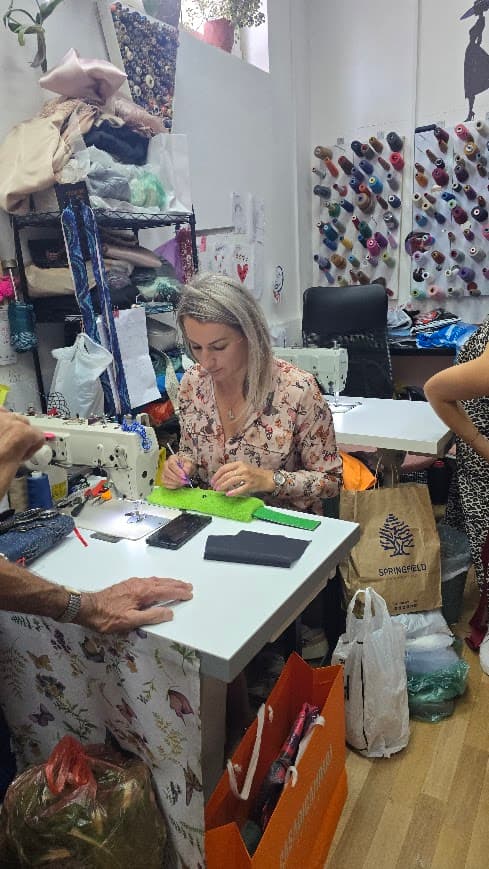
Tailoring capacity, not a production line
Decide your sizing model
You have three options, in ascending order of ambition:
Standard sizes, made to order
No stock, but ordinary fit. Simplest to run.
Semi-custom
Standard patterns adjusted for length, bust, waist. The sweet spot for most new labels.
Full made-to-measure
Each garment cut to the customer’s measurements. Highest price point, near-zero returns, and the strongest differentiation — but it demands a real system for collecting measurements and checking garments against them.
Build quality control into the process, not the end
The classic MTO failure: the garment arrives, it’s wrong, and the customer finds out before you do. By then it’s a refund, a remake, and a one-star review.
The fix is staged, evidence-based QC — the garment doesn’t advance until each stage is verified with photos and measurements: fabric confirmed before cutting, construction checked before finishing, finished measurements verified against the order before shipping. It sounds like overhead. It’s actually the thing that makes an MTO label scalable, because it’s the only way to maintain consistency across garments that are each one-of-one. We run it as the G0–G5 evidence gate framework, and our guide on how quality control works in custom clothing breaks the stages down.
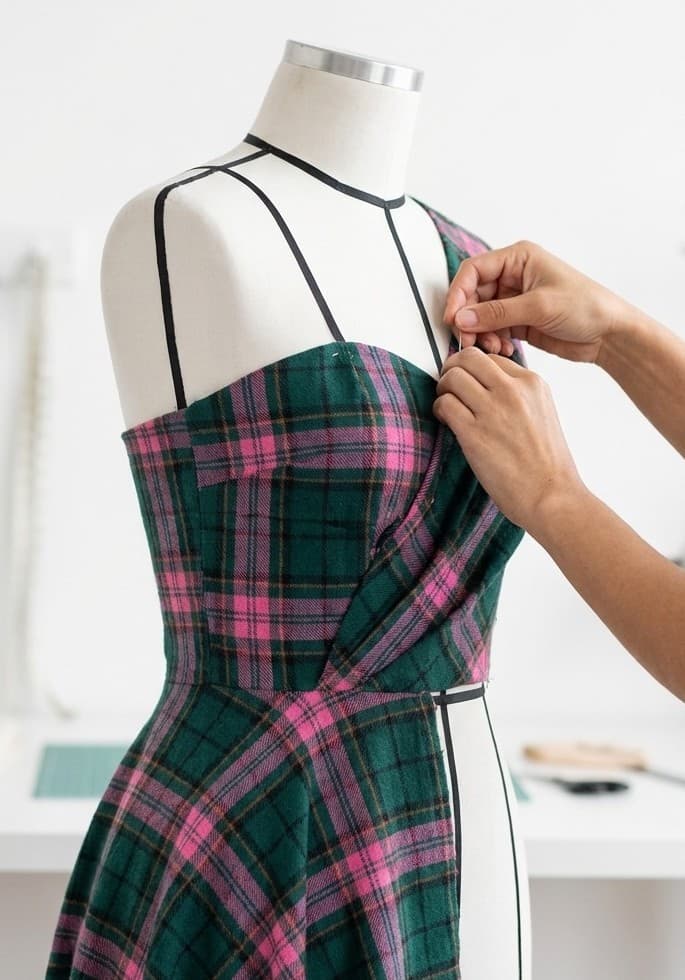
Checked at each stage, with evidence
Sell the wait, don’t hide it
Made-to-order framing is a marketing asset in 2026, not an apology. “Cut for you, to your measurements, by a named maker — nothing mass-produced, nothing landfilled” is a story fast fashion cannot tell. Show the process: the fabric photo, the cutting table, the maker. Customers who choose MTO want to see it.
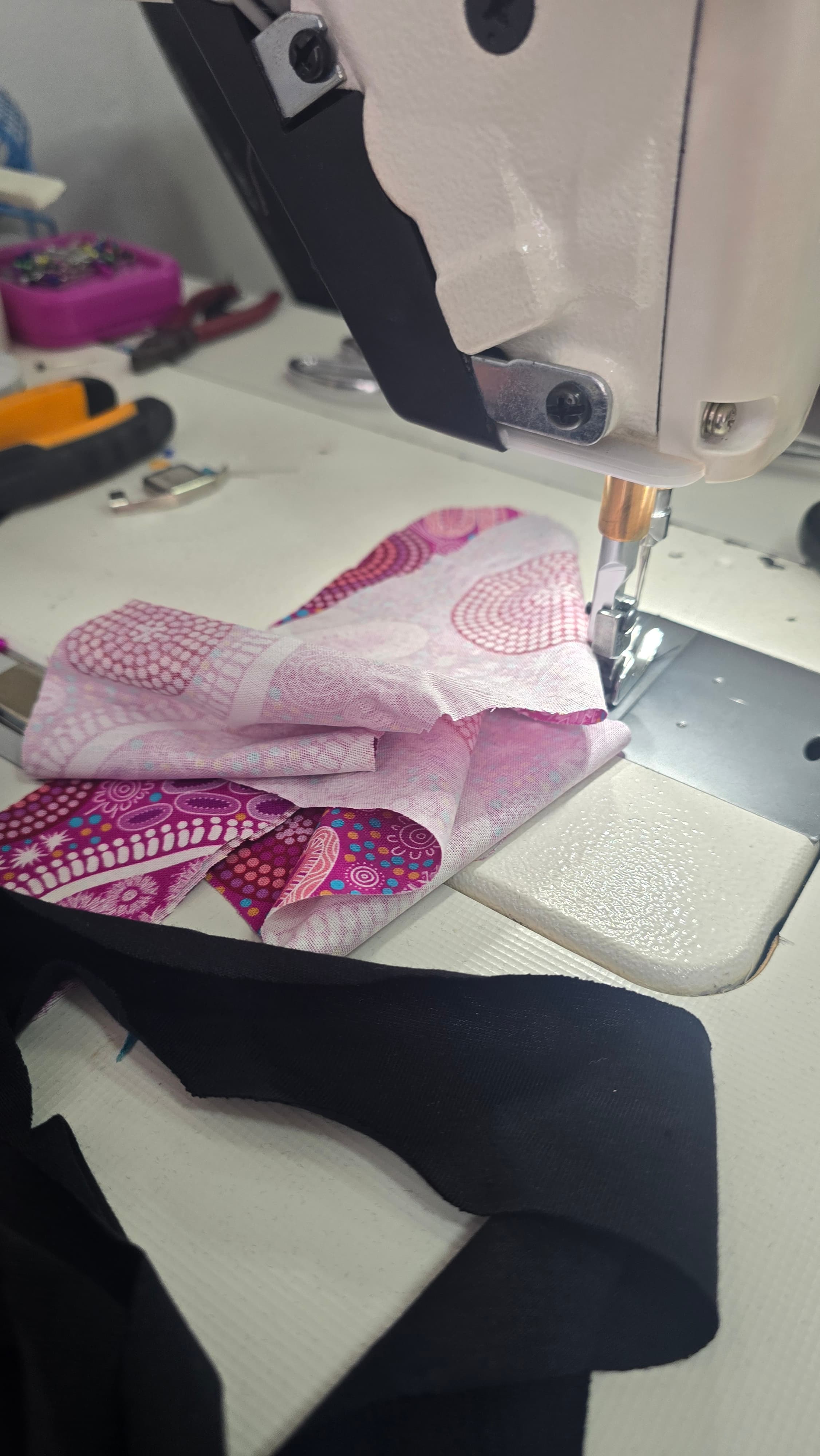
Show the making — customers chose it for a reason
Price for the model you’re actually running
Don’t price against fast fashion — you’ll lose and you shouldn’t be competing there anyway. Price against the alternative your customer is really weighing: a $400 AUD off-the-rack dress that needs $120 AUD of alterations and still isn’t quite right, versus your $350–$600 AUD garment made to their body. Our breakdown of what custom-made dresses cost in the US shows where the market sits.
Legals and logistics (the boring checklist)
- ABN and business structure; check your label name is clear to trademark before you print anything.
- Australian Consumer Law still applies to custom garments — you can’t exclude guarantees just because it’s made to order, so your remake/refund policy needs to be written down and honest.
- Care labelling and fibre content labelling are mandatory in Australia.
- If manufacturing offshore: understand import duty and GST thresholds on inbound garments.
Do you need to build all of this yourself?
The design and brand, yes. The production infrastructure — measurement collection, tech pack generation, maker coordination, staged QC, order tracking — no, and building it yourself is where solo founders lose a year.
This is the layer MadeApt runs. Our platform gives labels and studios a made-to-order back end: customers design or submit a garment, measurements are captured, tech packs are generated, production runs through our vetted global tailoring collective, and every garment passes staged photographic quality gates before it ships. You keep the brand and the customer; we run the pipeline.
Which maker, and which city, a piece goes to is decided by the design, not by default. Your customers can design anything, and our team confirms it can be made before it is quoted; the studio’s own range is designed to be tailorable from the start. Pricing depends on quantity, and pieces usually start from A$145.
If you’re a designer, studio, or label thinking about made-to-order — or you’re drowning in the operations of one you’ve already started — talk to us.
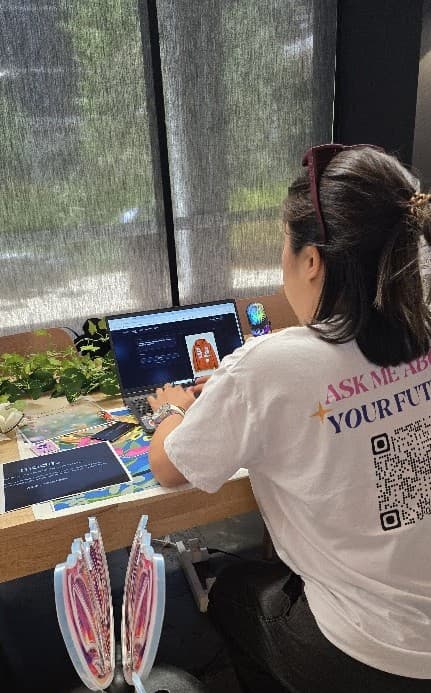
You keep the brand and the customer
Frequently asked questions
git commit -m "sold first, made second"
You design the label. We run the pipeline.
Measurements, tech packs, vetted makers and staged quality gates — the made-to-order back end, so you can start with one product and no stock.