built to flatter you
the problem with virtual try-ons
The short answer
Most virtual try-ons have a conflict of interest: they’re sales tools, built by or for retailers, so they’re optimised to make the garment look good on you — not to show you the truth. An honest virtual try-on optimises for the opposite outcome: a render faithful enough to your actual body, posture, and proportions that you can confidently decide not to buy.
That difference sounds small. It changes everything about how the technology gets built — and it’s why try-on for made-to-measure clothing has to work differently than try-on for fast fashion.
How do AI virtual try-ons work?
Modern AI virtual try-on takes a photo of you, builds an understanding of your body from it, and renders a garment onto it. The stronger systems are trained specifically on how different materials fold, stretch, and drape on different bodies, then generate a photorealistic render with realistic lighting and shadow. This is fundamentally different from the AR filters on social apps, which overlay clothing onto a camera feed without genuinely understanding body anatomy or fabric behaviour.
The technology has improved dramatically — early systems infamously warped patterns into zig-zags and made clothes look like stiff cardboard, and today’s renders can be strikingly realistic.
The question is no longer can the AI show clothes on your body. It’s whose interests the render serves.
Why are most try-ons optimistic?
Because they’re conversion tools. Virtual try-on is overwhelmingly built and sold as retail infrastructure: vendors pitch it on higher conversion rates and fewer returns, and the biggest platforms build the share button right into the moment you get a result you love — save the look, share it with friends. Follow that incentive to its conclusion: a render that makes you look fantastic gets shared and converts; a render that honestly shows the dress pulling across the hip does neither. Nobody has to program dishonesty deliberately — optimise generation for “results customers love” and the system drifts toward flattery on its own: posture idealised, proportions gently smoothed, drape falling the way it does on the fit model rather than on you.
To be fair, accurate try-on genuinely does reduce returns — brands integrating it report up to 40% fewer returns. But notice the ceiling built into the model: for a standard-sized garment, a slightly-too-kind render has a safety net. You can return it. The system can afford optimism because the returns rack absorbs the error.
Why made-to-measure try-on can’t afford to flatter
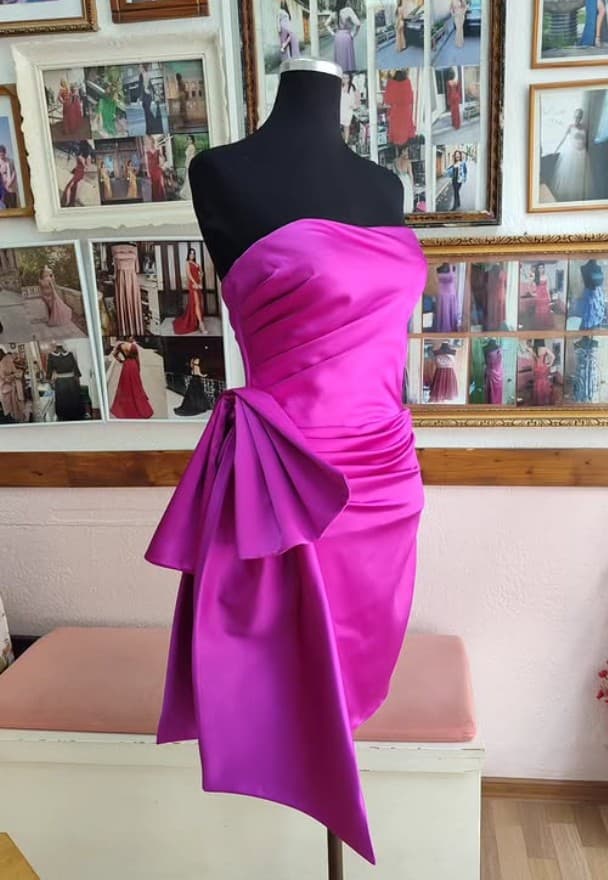
A made-to-measure garment is made once, for you, to your measurements. There is no returns rack. There is no “order two sizes and send one back.” The render isn’t a preview of something sitting in a warehouse — it’s a preview of something that doesn’t exist yet, that a skilled maker is about to spend real hours creating. If the visualisation lies, even kindly, the lie gets sewn.
What the render commits a maker to
That inverts the economics of honesty. For a fast-fashion retailer, a flattering render costs at most a return. For made-to-measure, an honest render is the whole value: it’s the difference between commissioning a garment you’ll wear for a decade and commissioning a beautiful mistake. Which is why we built MadeApt’s visualiser with one deliberately unfashionable principle:
It’s not optimistic.
The visualiser renders garments on your body as it actually is — your proportions, your posture, the photo you actually uploaded. It doesn’t quietly idealise you into the version of yourself the algorithm thinks you’d prefer, because a render of an idealised body is a fit prediction for a person who doesn’t exist. That isn’t marketing gloss — it’s written into the system’s render instructions, verbatim:
# from the visualiser’s instructions to the render model
- The person’s face, hair, skin tone, body proportions, pose, hands, and background must be PIXEL-PERFECT identical.
- Do NOT alter body shape, do NOT slim, do NOT change proportions. The garment must fit THE PERSON, not the other way around.
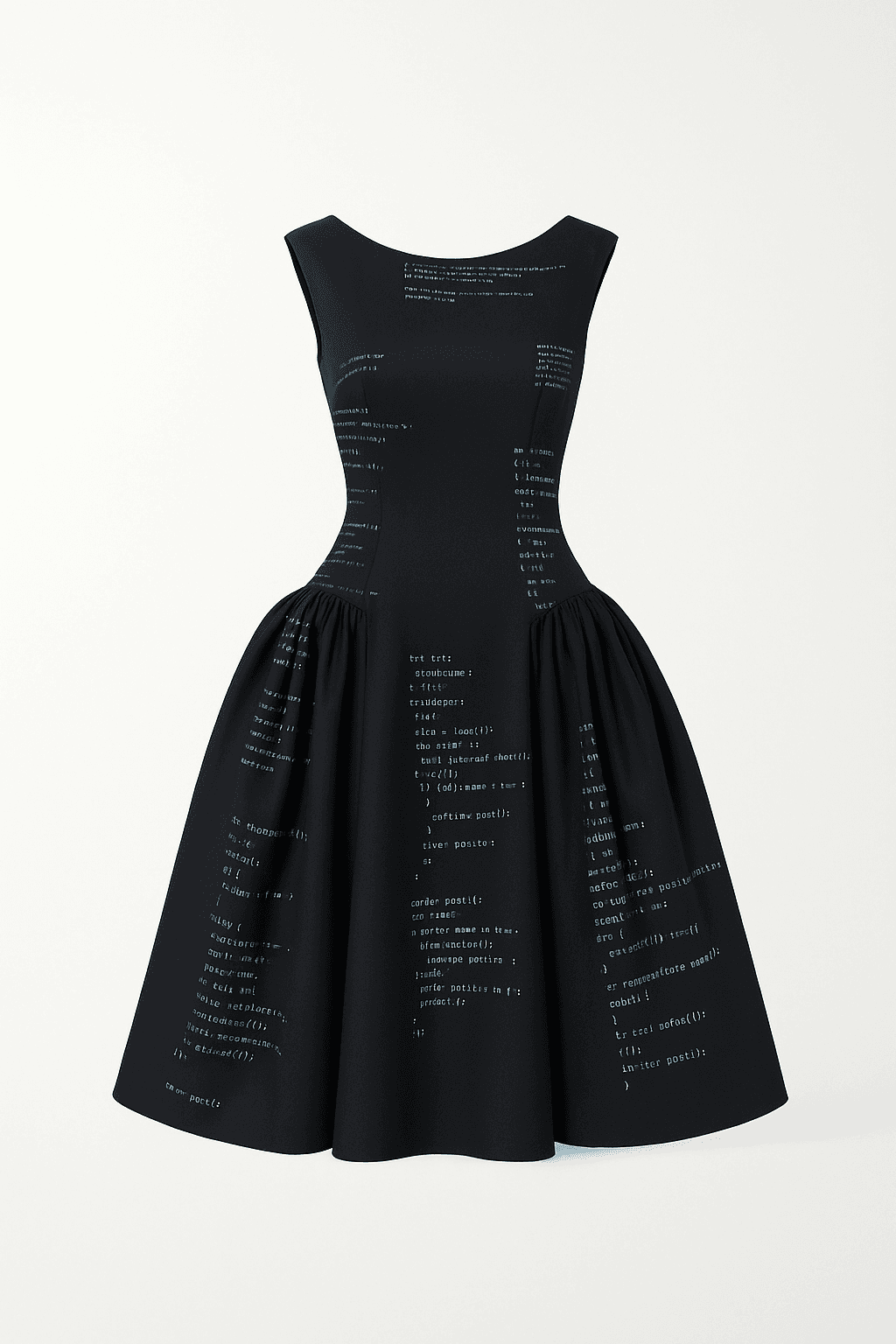
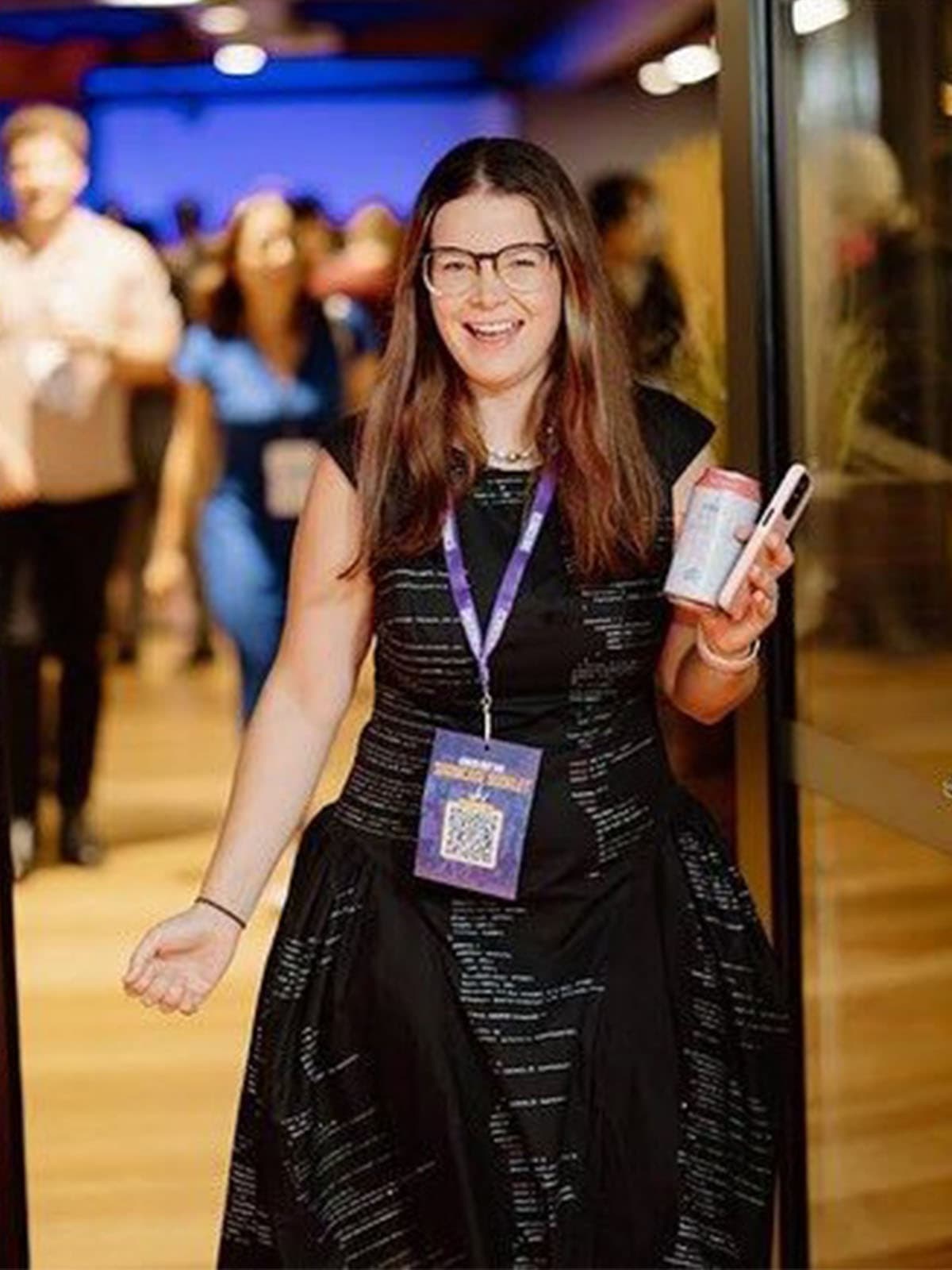
Here’s how I actually use it, as the person who built it: sometimes I upload a full-body photo taken at the end of a long day — after work, bad lighting, not standing like I’m being photographed, definitely not the version of me I’d post anywhere. That photo is the point. That’s the body the dress has to work on most days of its life, so that’s the body I want the render on. And it has genuinely talked me out of orders — garments I was completely sold on until I saw them on the real, tired, Tuesday version of me instead of the imaginary one in my head. I was annoyed for about ten seconds each time. Then I didn’t spend the money, the garment didn’t get made, and the thing I did commission is something I actually wear.
And here’s the part that surprised us: the most valuable thing an honest try-on does is talk you out of purchases. It has stopped real orders — garments that rendered beautifully on the idealised mannequin of the imagination and honestly on the actual body, and the actual body won the argument. Every one of those non-purchases is a garment that didn’t get made, shipped, worn twice, and landfilled. A try-on that flatters you sells more clothes. A try-on that respects you sells the right clothes — and in a circular fashion economy, the purchase that doesn’t happen counts too.
Isn’t an “honest” try-on just… harsh?
No — and the distinction matters. Honest doesn’t mean unkind; it means the render answers to your body instead of asking your body to answer to the render. The entire premise of made-to-measure is that your body, exactly as it is today, is the specification — not a problem to be smoothed, minimised, or “fixed” by generative flattery. A try-on that subtly reshapes you is, quietly, agreeing with every standard sizing chart that your body needed adjusting.
An honest render starts from the opposite assumption: the body is right, and the garment’s job is to fit it.
That’s not harsh. That’s the most body-respecting position in fashion tech — it just happens to also produce accurate fit decisions.
What should you look for in a virtual try-on?
Whether you’re a shopper evaluating a retailer’s tool or a label choosing try-on tech, the honesty test comes down to four questions:
Your real photo, not an avatar "based on" you
Avatars are where idealisation hides. Some major retailers now offer a choice between your own full-length photo and an AI avatar generated from a selfie — always choose your photo. A render of a generated body is a fit prediction for a person who doesn’t exist.
It preserves what makes the render hard
Complex patterns, prints, and construction details are where try-on systems smudge, warp, or hallucinate — and a system that hallucinates detail will hallucinate fit.
It shows the unflattering angles
A single front-facing hero shot is marketing. Drape, pull, and proportion problems live in the three-quarter view.
Ask who profits from the render being kind
If the answer is "the party selling the garment, with a returns process as backstop," calibrate your trust accordingly. If the render’s purpose is to lock a spec before something is made for you, honesty and self-interest finally point the same direction.
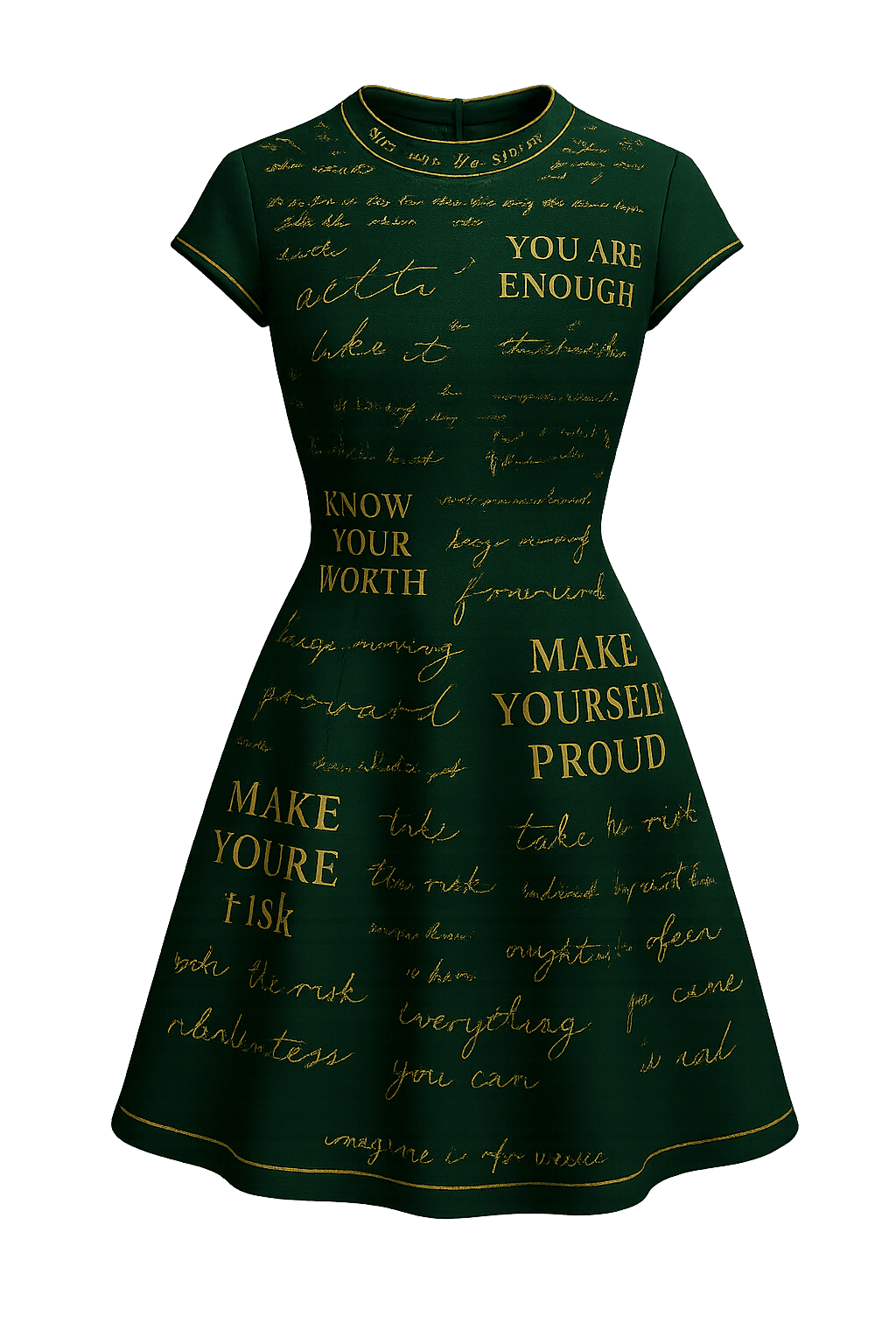
On the last point: even the biggest try-on platforms are, structurally, tools for selling standard-sized inventory. For made-to-measure, the render isn’t the pitch — it’s the first draft of the specification the maker works from, checked against your measurements through per-garment quality gates before and during the make. When the render feeds the spec, flattery isn’t a growth hack. It’s a defect.
Frequently asked questions
MadeApt is a made-to-measure platform connecting clients with vetted artisan tailors in Bosnia, Vietnam, and Australia, with per-garment QC evidence gates (G0–G5) built into every commission — photo-verified at each stage and visible to the client in real time. Its visualiser renders garments on your real body, from your real photos — deliberately un-optimistic, so what you commission is what you get.
git commit -m "render the truth"
See it on your body. Your actual body.
Design a garment and try it on your own photo — rendered honestly, so you can commission with confidence or walk away with certainty. Both are good outcomes.