ChatGPT suggested a fabric for my dress. How do I check it?
The short answer
Treat a fabric suggested by ChatGPT as a candidate to investigate, not a confirmed specification. Check the actual cloth’s composition, construction, weight, stretch and care information, then discuss it with the person making the dress. An AI image cannot establish those properties by appearance alone.
“Use satin” might sound reassuringly specific. But it still leaves important questions unanswered: which satin, from which supplier, with what stretch, and for which part of the garment?
The goal is to turn a plausible suggestion into a decision supported by real material information.
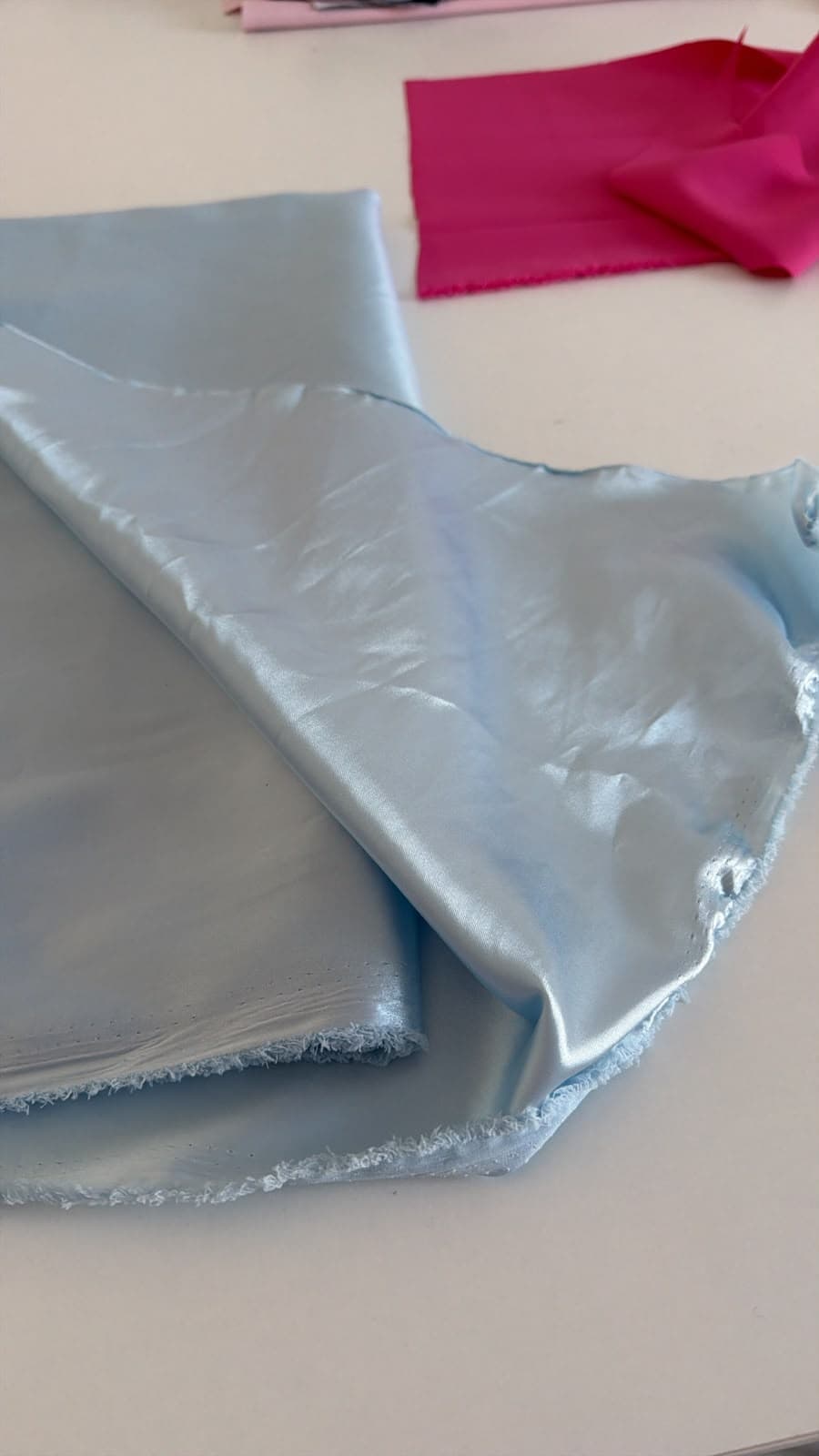
First, separate the fabric name from the fibre
Silk is a fibre; satin describes a weave. A satin fabric may be made from silk, polyester or another suitable fibre or blend. A glossy surface does not, on its own, establish that the cloth is silk.
Likewise, a broad label such as “linen” or “crepe” is not a complete description of one particular fabric. Ask for the actual product details rather than assuming that every cloth with the same name behaves identically.
Mood’s fabric dictionary (opens in a new tab) is one reference for decoding terminology. It is still the supplier’s information about the specific cloth, and the maker’s assessment, that matters for your dress.
Tell ChatGPT what the fabric needs to do
Start with the outcome you want, not an expensive-sounding material name.
For example:
I want a dress with a softly moving skirt, a matte-looking surface and enough coverage to wear comfortably in daylight. I am open to different fibres. Suggest fabric categories to discuss with a dressmaker, explain the trade-offs, and distinguish facts from assumptions. Do not identify the fibre from my reference image as though it has been verified.
This is an illustrative prompt. Its answer is a research starting point. If the suggestion depends on lining, stretch or internal support, those conditions should remain visible rather than disappearing into a confident recommendation.
You can also state what you dislike: a clingy feel, a very crisp skirt, a shiny finish or care requirements you will not realistically follow.
Collect evidence about the actual cloth
Before buying, work through the following checks. You can ask ChatGPT to organise the information, but do not ask it to fill missing specifications with guesses.
| Check | Information to obtain |
|---|---|
| Identity | Supplier, product name or code, composition and construction |
| Weight and drape | Published weight where available, plus a swatch or useful handling demonstration |
| Stretch | Whether it stretches, in which direction, and how well it recovers |
| Coverage | Opacity in the intended colour and any lining requirements |
| Practicalities | Usable width, care instructions, availability and delivery timing |
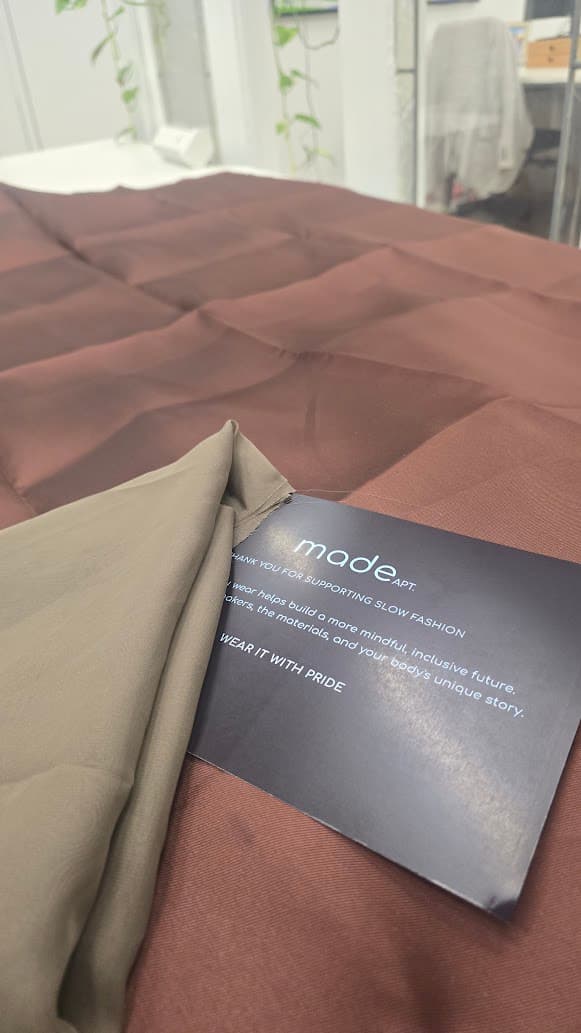
Screens are useful for narrowing a choice, but colour and surface appearance can change with lighting and display settings. A swatch can help answer questions that a product photograph leaves open. Seamwork’s guide to buying fabric online (opens in a new tab) explains these checks in more detail.
Do not buy a guessed quantity because an AI answer supplied a precise number. The maker needs to confirm the cutting requirements for your design and the actual fabric width.
Stretch is a design decision, not a bonus feature
If a proposed design relies on stretch, a similar-looking non-stretch cloth may need a different fit or construction. The reverse substitution can also require changes.
“It has elastane” does not settle every question. Ask about stretch direction and recovery, and let the maker assess whether it suits the pattern and intended movement. Seamwork’s guide to sewing with stretch wovens (opens in a new tab) provides useful background on why stretch and garment fit need to be considered together.
You do not need to solve those technical decisions yourself. You do need to avoid treating two fabric listings as interchangeable because both say “black” or “satin”.
Look at how the fabric is used in a real design
MadeApt’s shop offers useful design references, rather than a universal fabric prescription:
 Catalogue reference
Lilac Midi Dress
Premium Linen · $259 USD
A linen dress direction. Discuss the intended shape and lining rather than assuming any linen will reproduce the listing image.
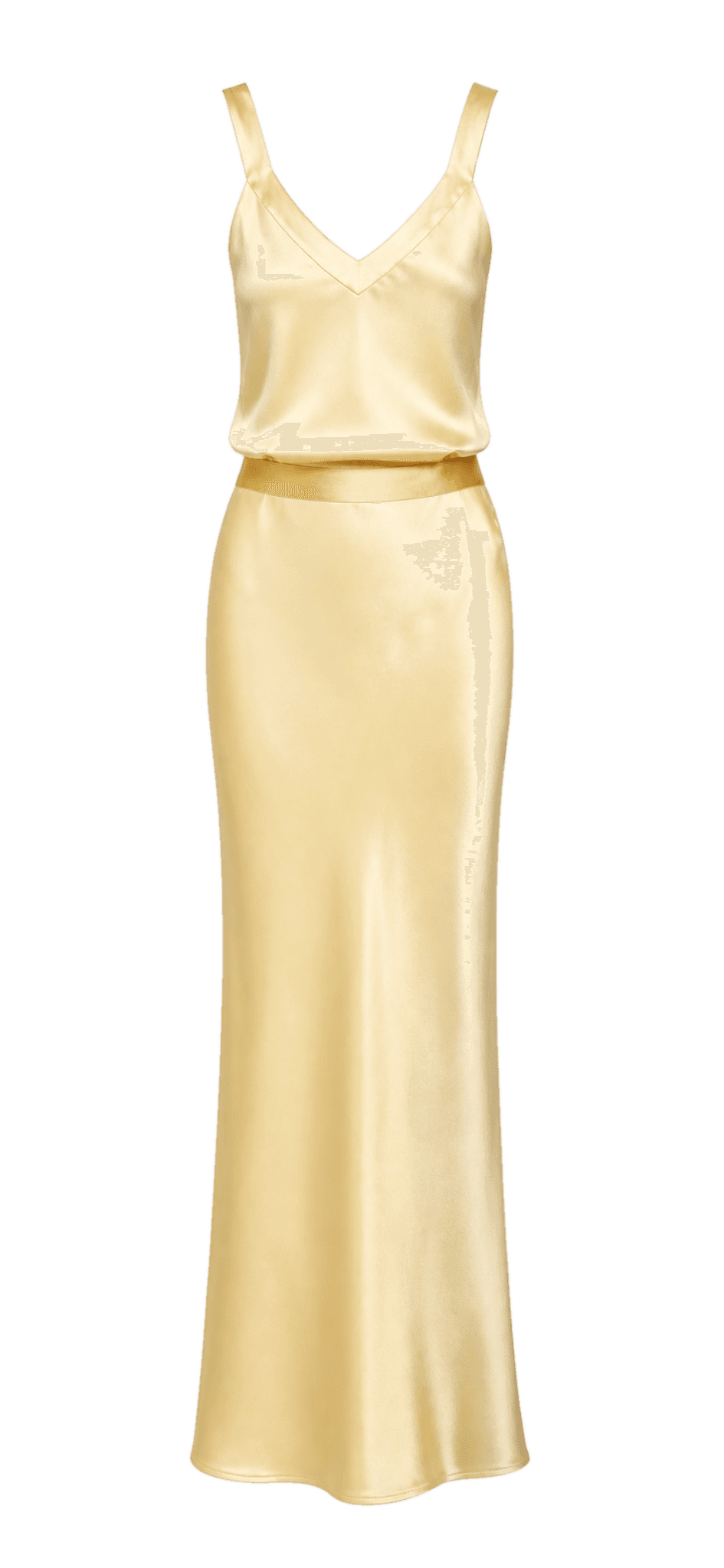 Catalogue reference
10 Days in Satin
Lemon Satin · $329 USD
A satin direction for a halter dress with a bias-cut skirt. Its product name is not a production-time promise, and “satin” alone does not establish the fibre composition.
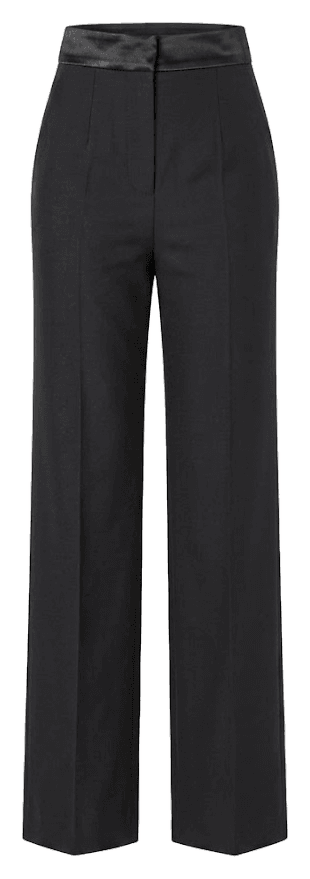 Catalogue reference
The Satin-Waist Cigarette Trouser
Black Cotton & Satin · $329 USD
Satin as a waistband detail alongside a cotton body. A material used successfully in a detail is not automatically the right choice for an entire garment.
When you enquire about a variation, identify the product and the particular quality you want to preserve. The maker can then assess the proposed cloth against something more concrete than a mood.
Compare supplier options without letting AI invent the gaps
If you have found two real fabrics, provide their product descriptions or links and ask for a comparison of the stated information.
Compare these two supplier listings for my dress brief. Use only information that is actually stated or accessible. Separate verified product details from general fabric guidance. Mark missing composition, weight, stretch, width or care information as unknown. List the questions I should send to the supplier and maker before buying. Do not claim either fabric will work without their assessment.
Check the output against the listings yourself. If a source cannot be accessed, paste the relevant specification text rather than letting a guessed summary stand in for it.
An attractive comparison table is not evidence that both fabrics are in stock, available in the required quantity or suitable for the design.
Keep the visual preview and the fabric approval separate
You can use an image to explore colour or print placement. Keep the original fabric reference and supplier information alongside it, and label the generated image as a concept preview.
For the visual step, see how to visualise your own fabric on a clothing design. For the purchasing decision, return to the actual material and maker assessment.
If the fabric has an artist’s print, use authorised material and preserve the relevant credit. Do not ask an image generator to recreate protected artwork as a substitute for sourcing the real cloth.
What should I send MadeApt?
Send the dress reference, the material suggestion you received, any real supplier details you have, and the qualities that matter most to you. Include your budget range and deadline so suitability is considered alongside availability and cost.
- The dress reference and the two or three qualities you want the cloth to have.
- The suggestion as you received it, labelled as a suggestion.
- Any real supplier listing: composition, weight, width, care.
- Budget range, deadline and delivery country.
It is completely fine to say, “ChatGPT suggested silk crepe, but I am not sure whether that is right.” That is an open question a maker can help resolve, not a mistake you need to hide.
Related guides
how to visualise your own fabric on a clothing design
Previewing a real cloth on a design, and the reference information that makes the preview useful.
can I supply my own fabric for a custom garment?
If you already own the cloth: what to send, what the maker checks, and when it is better to let them source it.
how to edit a dress design in chatgpt without starting over
Keep the details you chose while testing one change, including colour, which is not a fabric decision.
chatgpt designed my dress. how do i get it made?
The handoff from one chosen image to a tailor’s quote, including choosing fabric for the shape as well as the colour.
Get the material and quantity confirmed before buying cloth.
Send the reference, the suggestion and whatever supplier details you have. A maker assesses the cloth against the design before anything is bought or cut.