How to design a capsule collection online: a five-piece worked example
The short answer
To design a capsule collection online, start with one person and a few situations they need to dress for. Give each piece a job, choose a shared colour direction, then develop the garments together. Five attractive designs are not automatically a useful collection: the pieces need a reason to belong beside one another.
This guide walks through an illustrative five-piece capsule using existing MadeApt garments as references. It is a design exercise, not a customer commission or a claim that these pieces have been produced together as a collection.
You can follow it to explore a small label idea, prepare a student project or plan clothing for yourself.
1. Write a brief before you generate a design
For this example, the wearer needs clothes for a desk-based working week, occasional presentations and dinner afterwards. They want tailored shapes, room to move and pieces that do not require an entirely different outfit for every setting.
Our brief is:
Example brief
A five-piece work-to-evening capsule: two tops, one pair of trousers, one jacket and one dress. Black and white form the base, with lilac as an accent. Keep the details restrained. The collection should offer both relaxed and more structured outfits without relying on high heels.
Notice what the brief leaves out: a customer age, a standard dress size and a demand that every garment use the same fabric. None is necessary to make the design direction clear.
For your version, answer three questions first:
- Who will wear this, and where?
- What do their current clothes make difficult?
- What should stay consistent across the collection?
“Clothes for someone who sits through meetings and presents on stage” gives you more useful decisions to make than “a modern, elegant collection”.
2. Give the five pieces different jobs
These shop designs provide a concrete starting point. You do not need to buy them to use this planning exercise; the aim is to understand what each garment contributes.
| Piece | MadeApt reference | Its job in this capsule | Design question to explore |
|---|---|---|---|
| White shirt | The Classic Button-Up | A crisp alternative to the softer top | Should the hem work tucked in, untucked, or both? |
| Simple black top | Black Top | A quieter layer for everyday wear | How much ease feels comfortable beneath the jacket? |
| Wide-leg trousers | The Fluid Wide-Leg Trouser | The bottom that works with both tops | Where should the waistband and hem sit? |
| Shaped jacket | The Hourglass Blazer | A more structured option for presentations | Should the waist shaping stay pronounced or become more relaxed? |
| Accent dress | Lilac Midi Dress | A complete outfit that changes the mood | What bodice and skirt proportions suit the wearer? |
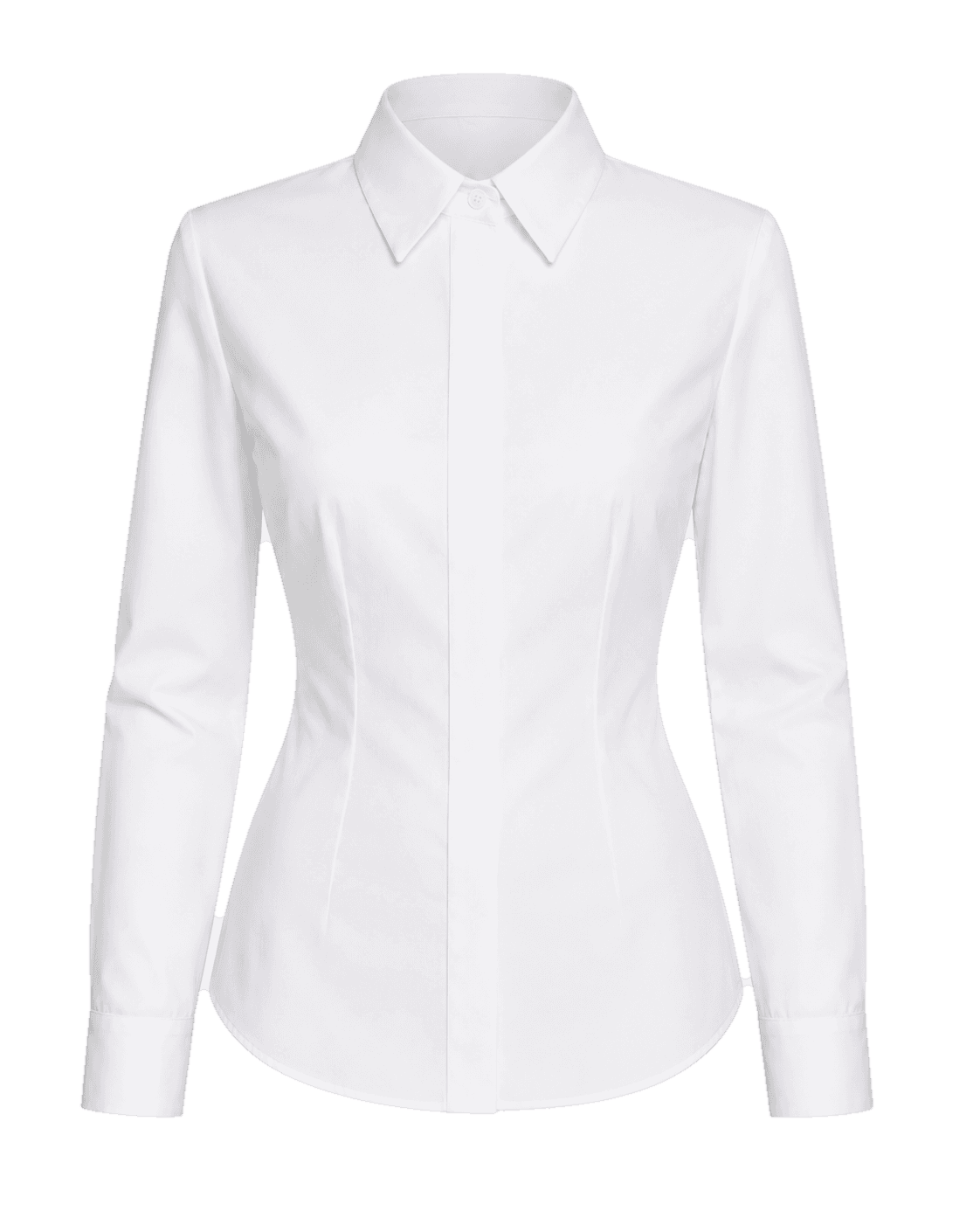 Catalogue reference
The Classic Button-Up
White Cotton Poplin · $199 USD
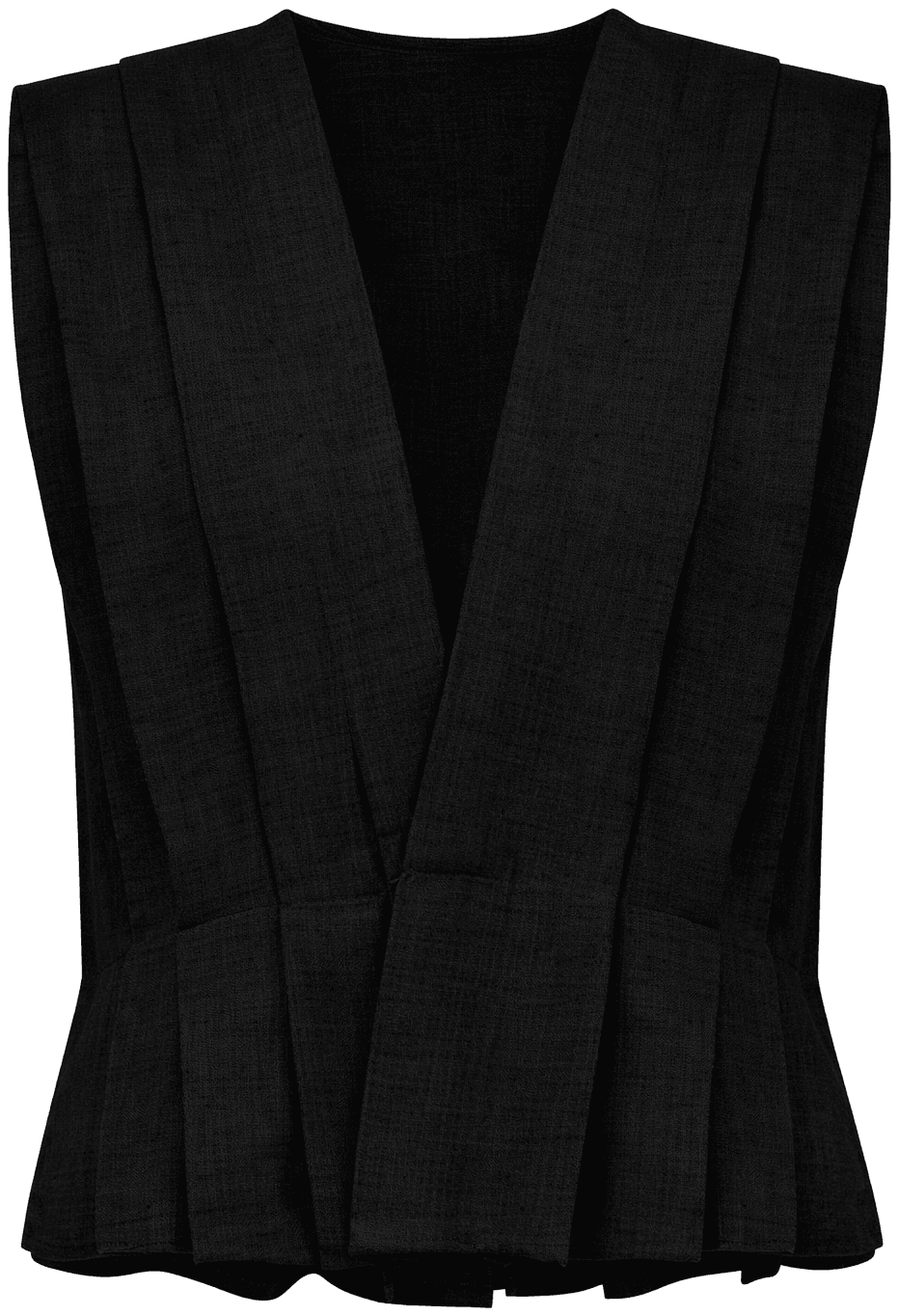 Catalogue reference
Black Top
Soft Crepe · $199 USD
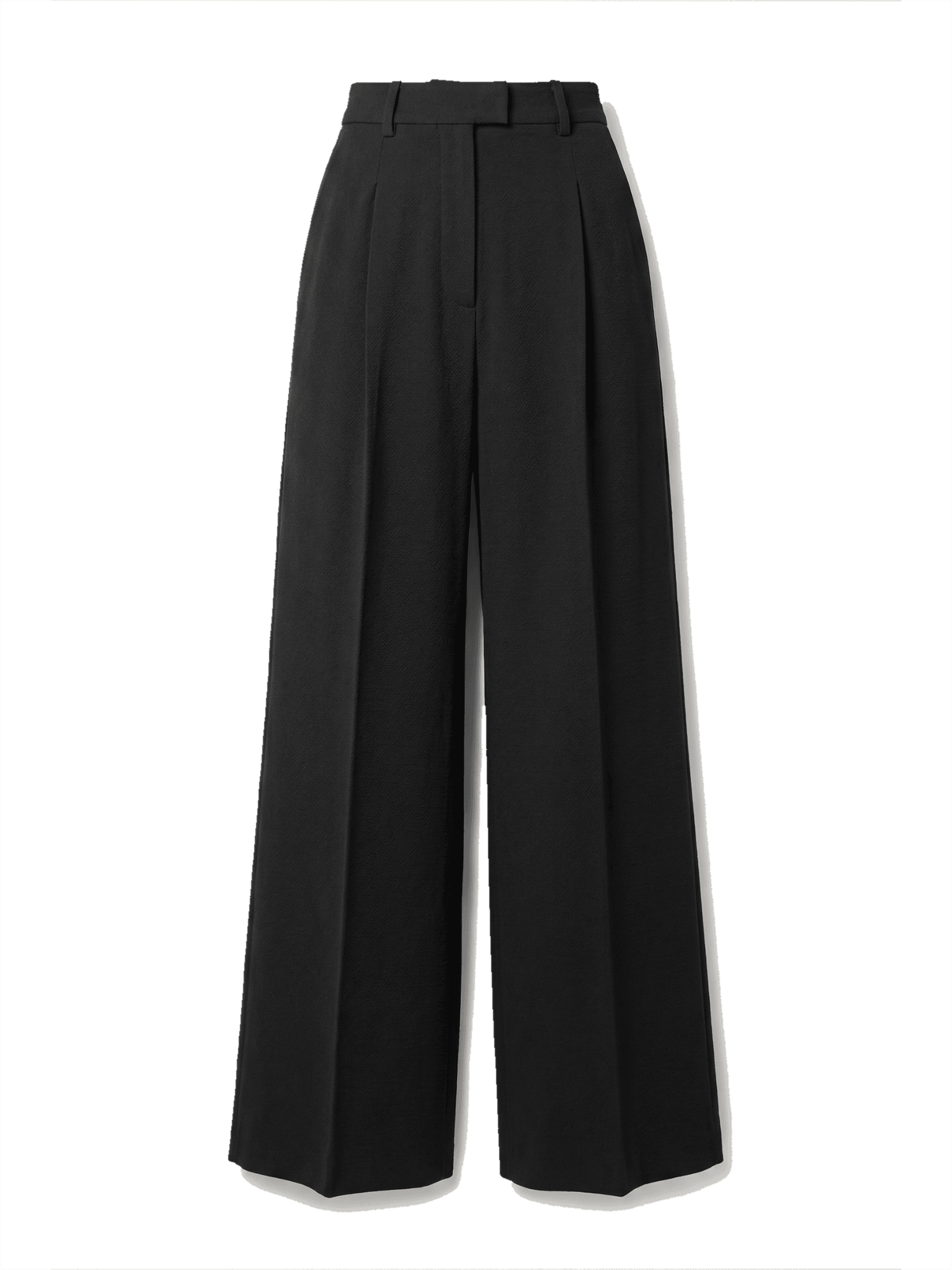 Catalogue reference
The Fluid Wide-Leg Trouser
Black Fluid Crepe · $259 USD
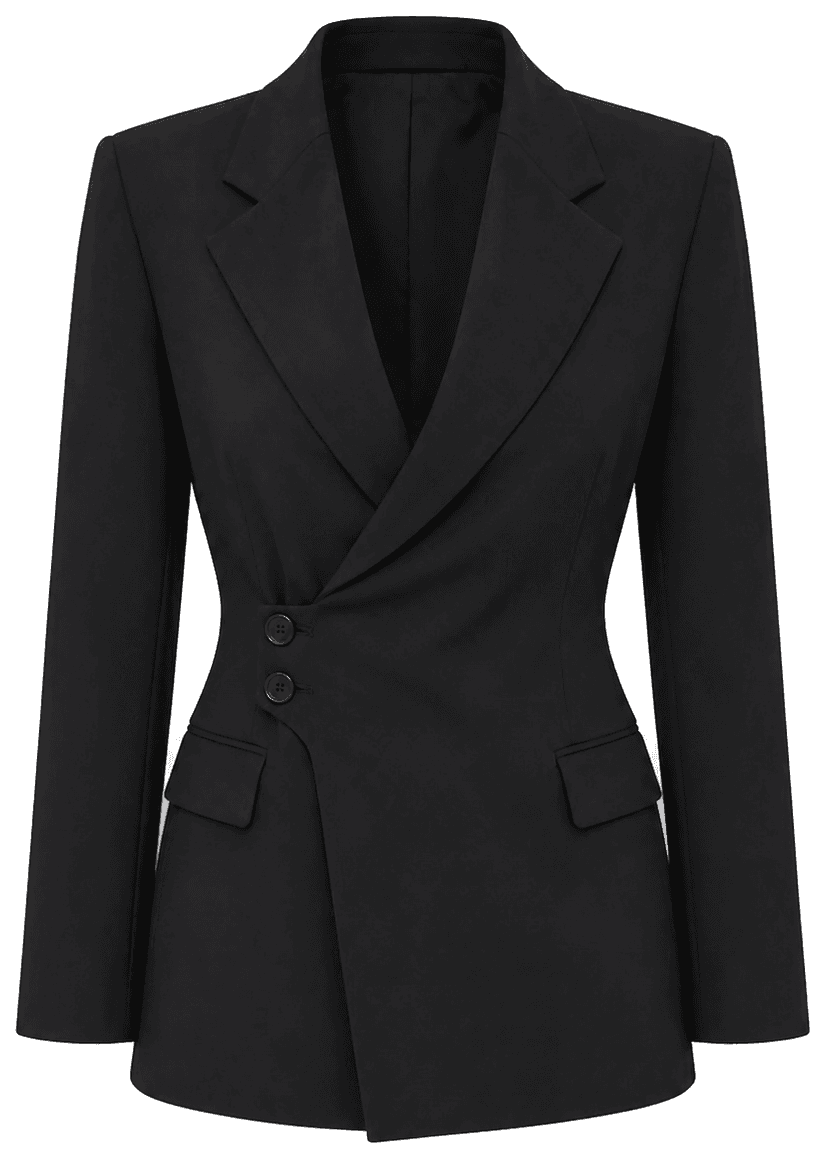 Catalogue reference
The Hourglass Blazer
Stretch Wool Suiting · $399 USD
 Catalogue reference
Lilac Midi Dress
Premium Linen · $259 USD
These are references, not a matching suit. The shop pieces use different cloths. Two fabrics described as black may still differ in undertone, texture and finish; matching them for a physical collection needs a fabric check.
The dress also has a deliberate purpose. It offers an alternative to the trouser outfits, rather than becoming a fifth piece added only to reach a number.
3. Start with one garment in the Studio
Open the MadeApt design Studio and begin with the piece that matters most. In this exercise, that is the trousers: both tops and the jacket need to work with them.
Here is an example prompt to adapt:
Example prompt
Design black wide-leg trousers for a small work-to-evening capsule. Use a defined waistband, a full-length leg and useful side pockets. I want a softly draping appearance, with enough room for sitting and walking. Keep the detailing simple so they can work with a white shirt, a black top and a shaped jacket. Show the garment clearly, without accessories hiding the waist or pockets.
This is a suggested input, not a tested prompt with a guaranteed output. The image can help you decide whether you prefer a shape; it cannot establish comfortable movement, fabric performance or a finished fit.
Review the first direction before asking for another. Are you changing the design because something does not work, or simply because you can generate another image?
4. Change one decision at a time
Try two purposeful revisions rather than ten unrelated versions.
Revision A: a quieter front. Keep the overall trouser shape, but compare the existing pleat direction with a simpler front. Consider which belongs beside the jacket’s more sculpted shape.
Revision B: a different length. Keep the chosen front and compare the appearance of a full-length and an ankle-length leg. Record which footwear each version is intended for.
Then develop the tops. Ask for a shirt length that works with the waistband you chose, and a black top that does not compete with the jacket. Keep returning to the original brief.
A useful decision note might read:
Example decision note
Keep the full-length trouser direction. Prefer the simpler front for this collection. Check sitting ease with the maker. Keep the white shirt crisp; let the second top provide the softer option.
That note is more useful later than a folder of attractive images with no explanation of which one you preferred.
5. Check the outfits, not just the individual pieces
Before adding another garment, test the combinations on paper:
- White shirt with trousers: the everyday tailored option.
- Black top with trousers: a simpler, softer-looking outfit.
- Either trouser outfit with the jacket: the presentation option.
- Lilac dress on its own: a change of colour and silhouette.
- Dress with jacket: a proposed pairing to check for sleeve, shoulder and waist compatibility.
These are proposed outfits, not proof that every combination will layer comfortably. That is something to check when you choose the final cuts and fabrics.
If one piece only works with an additional garment you have not included, decide whether that is intentional. A capsule can use clothes already in the wearer’s wardrobe. It does not have to solve every occasion by itself.
6. Separate a visual concept from a production decision
Your finished exercise should contain five selected directions, a short explanation of each piece, proposed outfits and a list of unresolved questions.
Keep those questions visible:
- Which actual fabrics provide the intended structure or drape?
- Which pieces need lining or different closures?
- What measurements and fit preferences does the maker need?
- Which details are essential, and which can change to meet the budget?
- Which garment should be sampled first if this is a label project?
A generated image is not a sewing pattern, a graded size range or a production-approved technical specification. Do not present it to a manufacturer as though those decisions have already been made.
You can use the Studio to explore a direction without committing to garment production. Check the current credit options in the Studio before using paid features. Design-tool charges and the cost of making clothing are separate decisions.
When you do want to progress towards a garment, choose the piece that will teach you the most. For this capsule, a trouser sample could test the fit and fabric assumptions on which several outfits depend. Confirm feasibility, sampling arrangements and cost before proceeding.
Can a first capsule collection be only five pieces?
Yes. Five is a useful constraint for this exercise, not a fashion-industry rule. A smaller collection can help you explain your idea and identify missing pieces before spending time developing a larger range.
Do all the pieces need the same fabric?
No. They need a relationship. In this example, colour and restrained detailing connect the pieces while different textures give them different jobs. A matching set would require closer attention to fabric consistency.
Related guides
five fashion design briefs to practise online
Shorter constraints to warm up on, including a three-piece capsule, before you attempt a full five.
how to start a fashion label without holding inventory
What happens after the exercise: made-to-order production, sampling and the first real customer.
from fashion concept to first sample: what your maker actually needs
What a maker needs before a first sample is cut, and what a sample can and cannot prove.
is chatgpt good enough to design a real dress?
What a render gives a tailor and what it doesn’t, before you treat an image as a decision.
Start with the piece you most want to get right.
Write your three-sentence brief, choose a garment and make one meaningful design decision. You can build the rest around it.