print on demand ◆ made to measure
your own tech art, printed on the cloth.
code, quotes, qr codes, plots
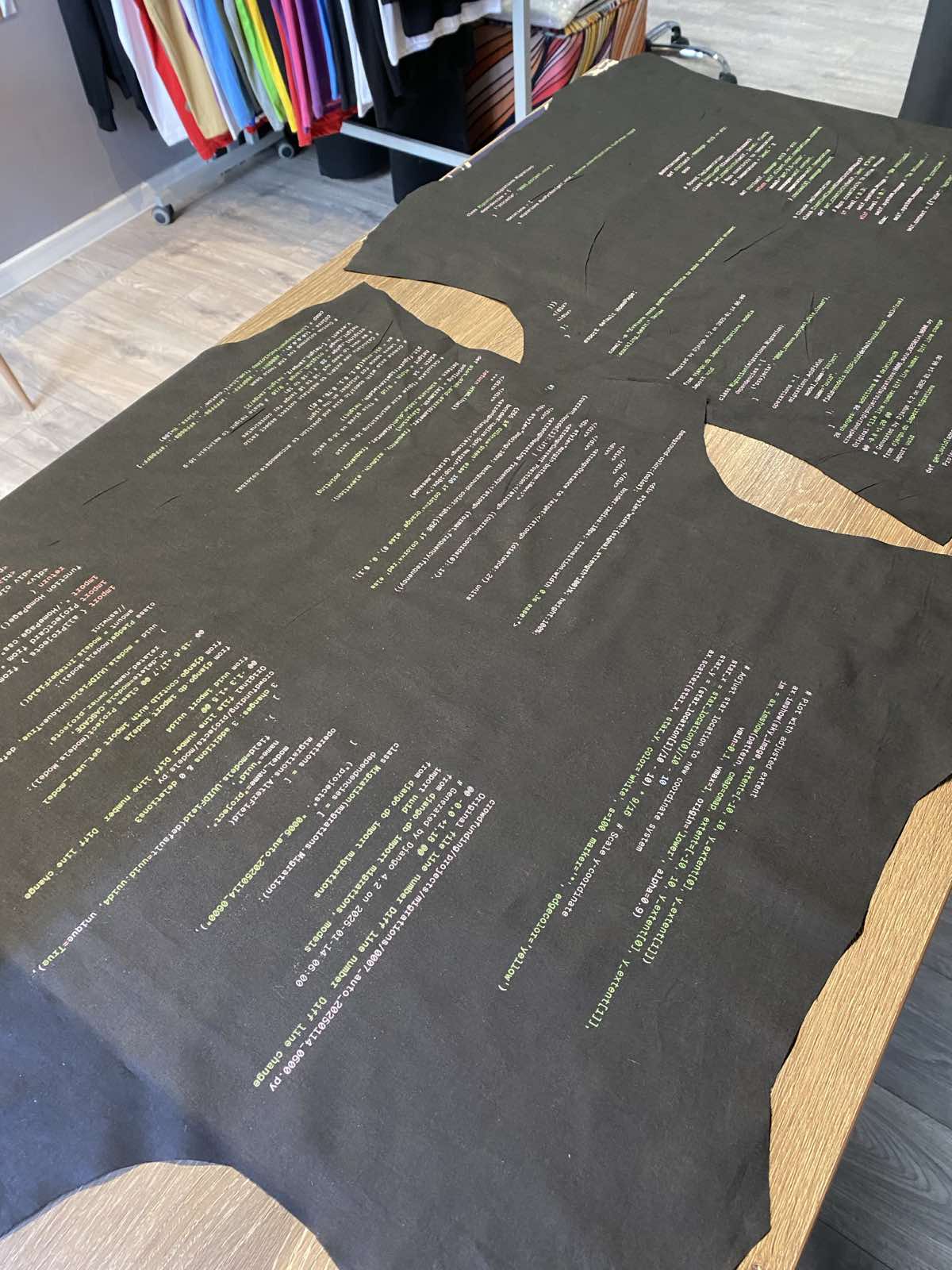
Not a transfer on a blank tee. Your artwork is printed onto the cotton before a single piece is cut, so it runs through the whole garment, and then the garment is sewn to your measurements. This page is how to print it, and how to make it.
git commit -m "print the source"
the short answer
Send us the file — code, a QR code, words, a plot. We print it onto cotton, then cut and sew the garment to your measurements. Approximately 4 weeks including shipping.
already made
four files. four garments.
what prints
if it exports, it prints.
Eight kinds of tech art we have printed or would print tomorrow. Anything you can save as an image or a vector file is a candidate; the notes are what makes each one hold on cloth.
source code
A function you are proud of, a whole file, or the diff that shipped. Prints as a texture at a distance and reads as text up close.
git log and terminal
Commit history, a build log, a shell session. Monospace on a dark ground is the most legible print we make.
a qr code
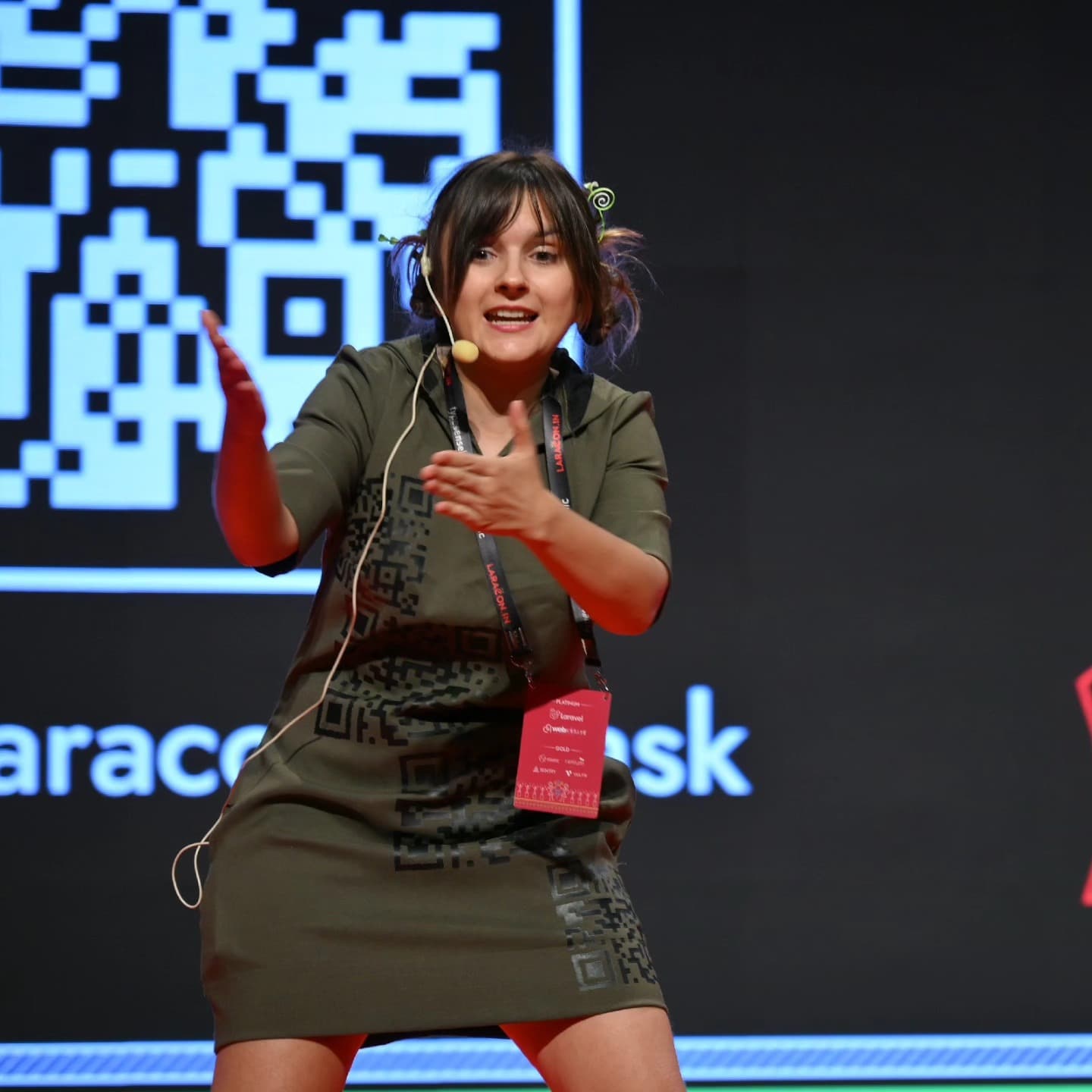
Link your portfolio, your talk, your repo. Made for cloth: high error correction, a clear margin, never across a seam.
data and plots
A chart from your research, a heatmap, a waveform. Export as vector and the lines stay crisp on cotton.
generative art
p5.js sketches, shaders, plotter drawings. Render at print size, not screen size, and send the file.
circuit traces
Schematics and board layouts, or a trace pattern drawn to follow the seams of the garment.
quotes and typography
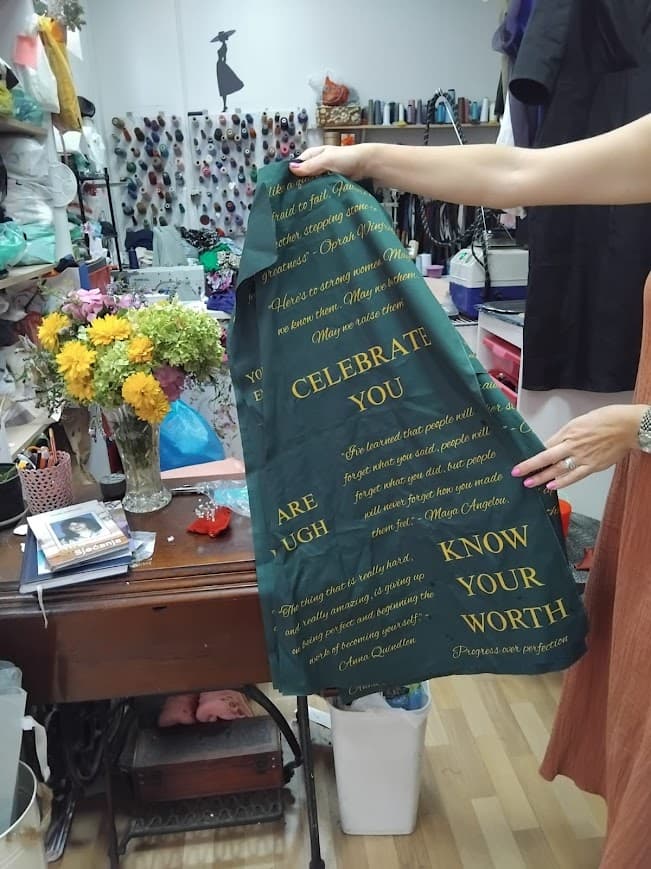
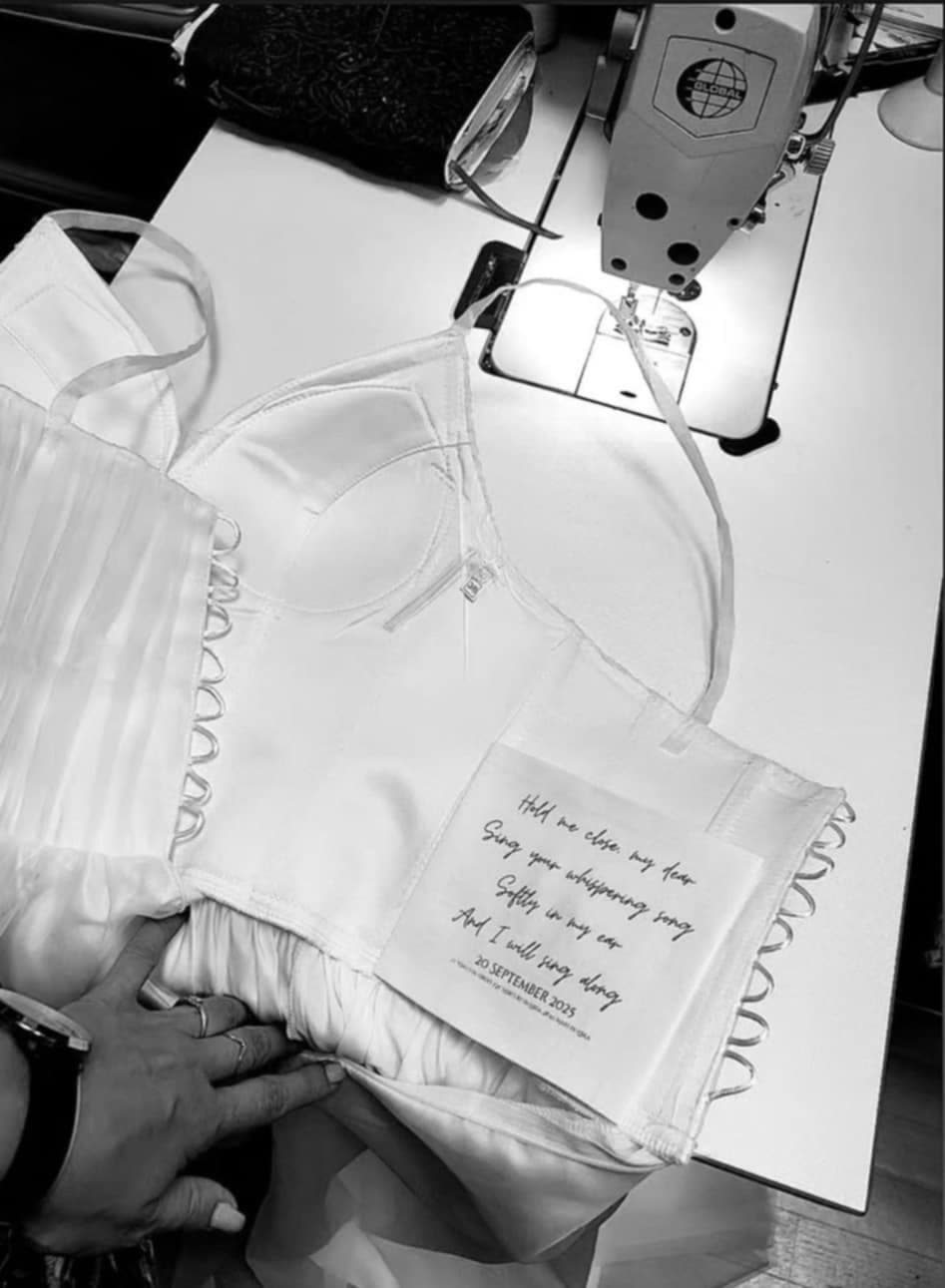
The words that matter, set in the face you choose. Sarah's dress is one; a poem inside a lining is another.
ascii and pixel art
Characters and grids scale cleanly. Keep each cell above about two millimetres and it holds on the cloth.
the print is not decoration on the garment. it is the fabric the garment is made from.
how to make it
create your own tech art, in six steps.
You do not need design software. Most of the pieces above were made from a file the client already had open.
- 01
decide what it says
The code, the words, the link, the data. Then where on the body it sits: a chest placement, a hem, a lining, or the whole cloth.
- 02
make the file
Code: open it in your editor with the theme you want and export or screenshot at two to four times screen resolution, or print it to PDF. QR: generate at error-correction level H. Plots and drawings: export as SVG or PDF.
- 03
placement or all-over
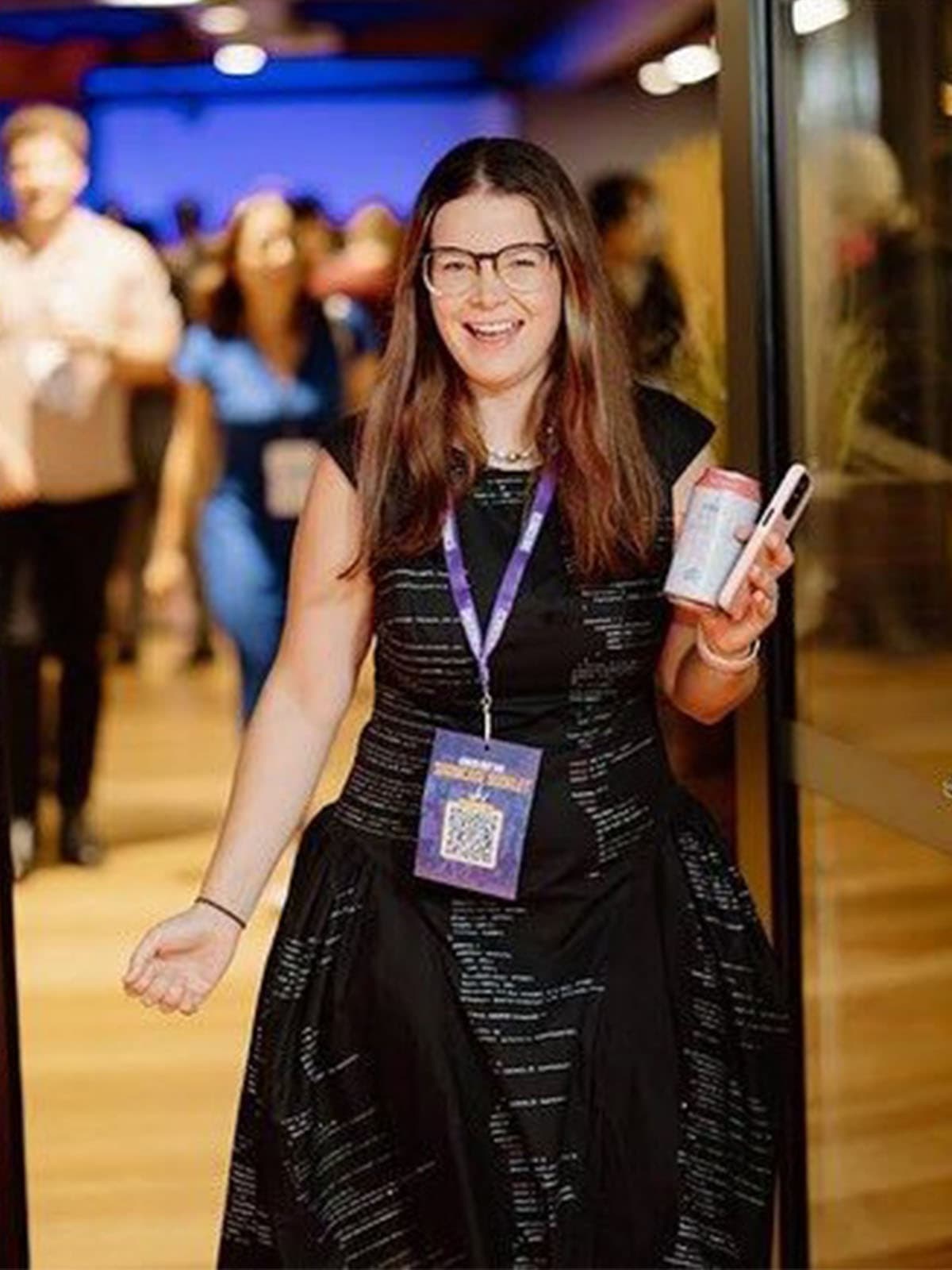
An engineered placement puts one element exactly where it matters (Nina's QR code). An all-over print turns the artwork into the fabric itself (Kate's code). Both can live on one garment.
- 04
choose the ground and the cloth
Dark ground with light text prints cleanest. A colour ground with one accent (gold on green) reads from across a room. Cotton, cotton drill, scuba cotton and jersey all take a print well.
- 05
check the file
150 to 300 dpi at final printed size. No lines thinner than about half a millimetre. Keep anything that must stay whole two centimetres clear of where a seam or dart will fall. QR codes at least eight centimetres wide.
- 06
send it, approve the proof
Upload it in the design studio or email it with the garment you have in mind. We send a proof on the pattern pieces, print the cloth, then cut and sew the garment to your measurements.
or email the file to contact@madeapt.com with the garment in mind.
how it's made
proof, print, cut, sew.
- 1
the proof
We lay your artwork on the pattern pieces of the garment and send you the proof: where every line falls, what a seam will interrupt, what the QR code looks like at size.
- 2
the print
The cloth is printed as one piece of fabric, the same way Sarah's quotes and Elena's poem were printed by Nenad in Sarajevo.
- 3
the cut
Pattern pieces are cut from the printed cloth to your measurements, placing the artwork where the proof put it.
- 4
the sew
A named maker sews it, presses it, and it ships tracked. Kate's, Sarah's and Nina's dresses were sewn by Enisa and Eni in Sarajevo.
what it costs
the garment, plus the print.
A printed piece is priced like any made-to-measure garment, with the print quoted on top once we have seen the artwork. Dresses start from $160 AUD and tops from $145 AUD before printing. Kate's dress code is listed at $380 AUD as a ready design you can adjust, and Most orders take approximately 4 weeks: around 2 weeks to make your garment and another 2 weeks for shipping. More complex designs may take longer. We’ll confirm your estimated timeline when we quote your piece. If you need it for a particular date, let us know when you enquire.
- Proof on the pattern pieces before printing.
- Cut to your measurements, never a standard size.
- Maker named, paid directly.
- AI is optional: the studio can visualise the print on a garment, or you can skip straight to the proof.
questions