design your own clothes
online — for students.TAKE YOUR IDEA BEYOND THE SKETCHBOOK
Start with a drawing, moodboard, reference image, fabric, written description or half-formed idea. MadeApt helps you develop it into a clear, sewable garment design — and, when you are ready, have one real piece made to your measurements by a skilled tailor or artisan. You do not need a perfect fashion illustration. You do not need to know every sewing term. You just need an idea you want to explore.
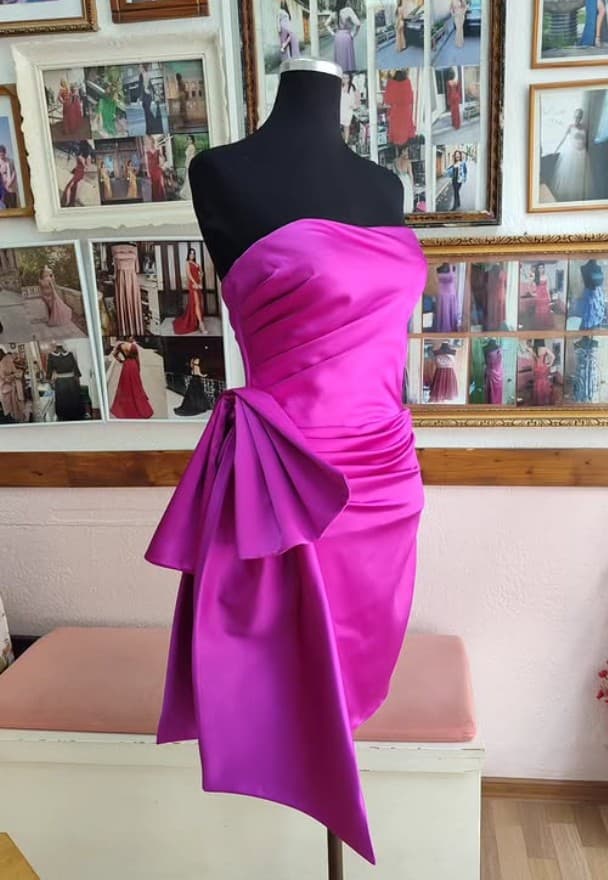
Your design does not need to look professional.
Your starting point can be rough. You might have:
MadeApt helps you clarify the silhouette, fabric, fit, proportions, construction and details so the idea can move closer to something that could actually be cut and sewn.
From student idea to real garment.
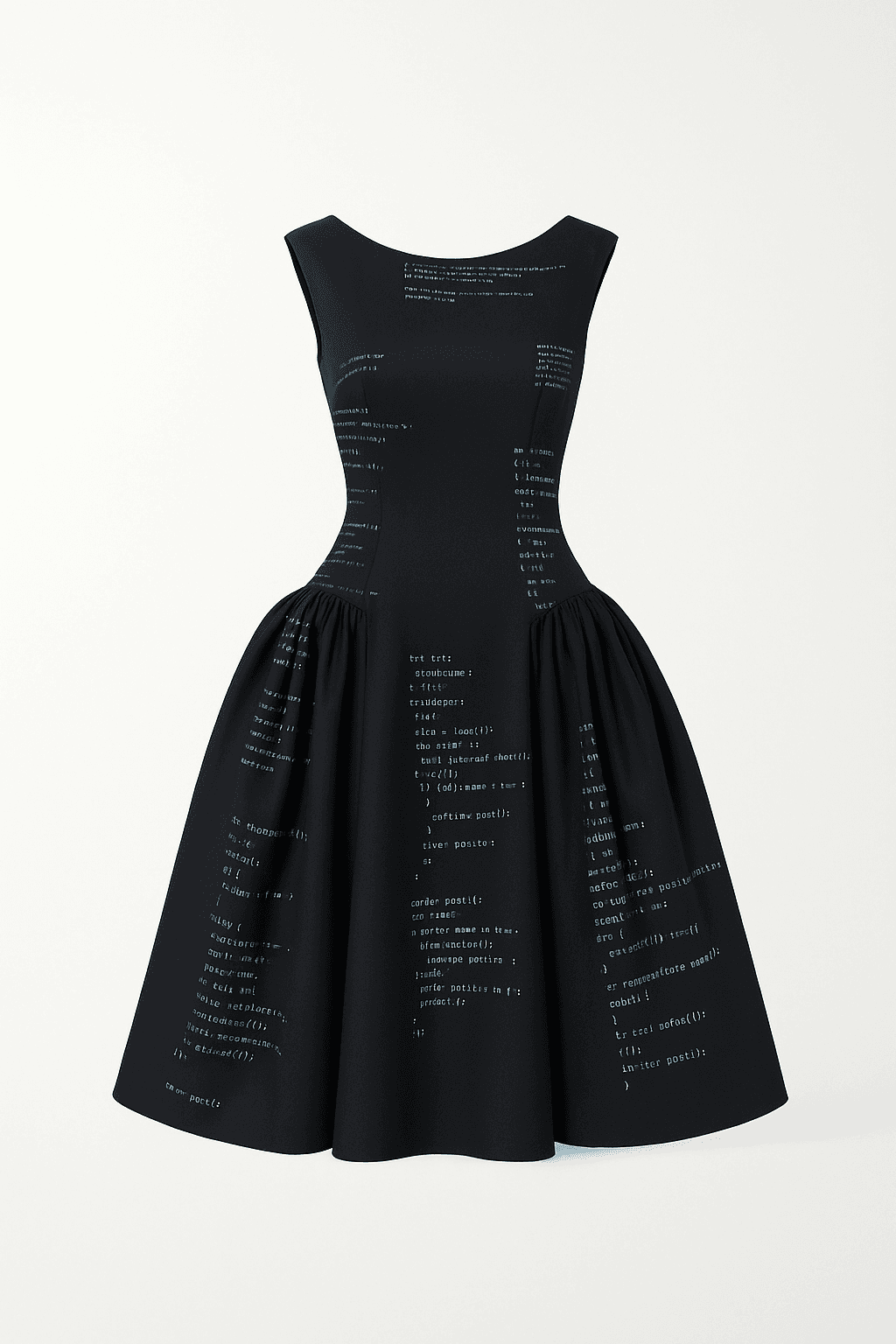
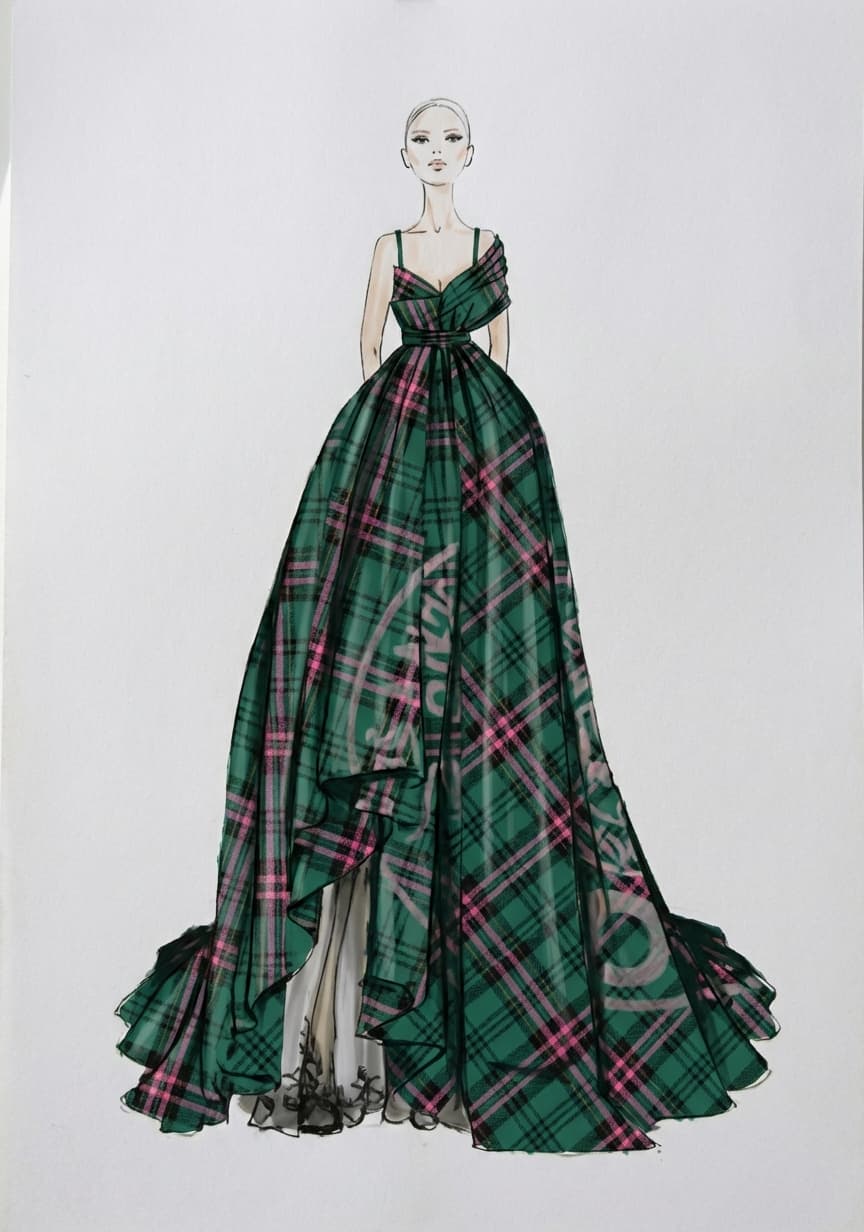
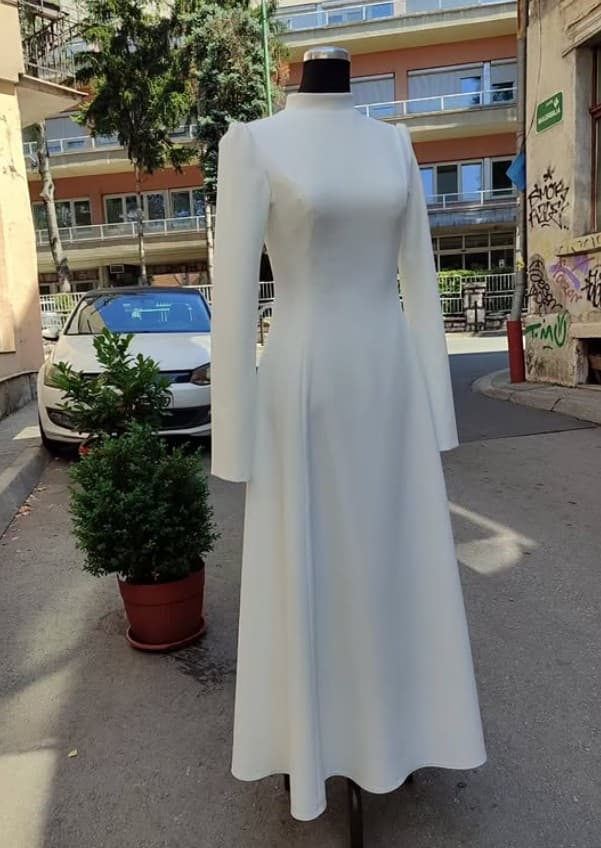
The photos below follow one actual MadeApt piece — from a hand-drawn sketch, through design exploration, to the finished dress worn in real life.
Start with your concept
Upload a sketch, reference image or moodboard, or describe your idea in words. Your description does not need to sound technical.
> A structured mini dress inspired by architecture.
> Wide-leg trousers with asymmetric pockets.
> A modest formal dress with dramatic sleeves.
> A reversible garment for a sustainable fashion project.
> A tailored outfit for someone who cannot find their proportions in standard sizing.
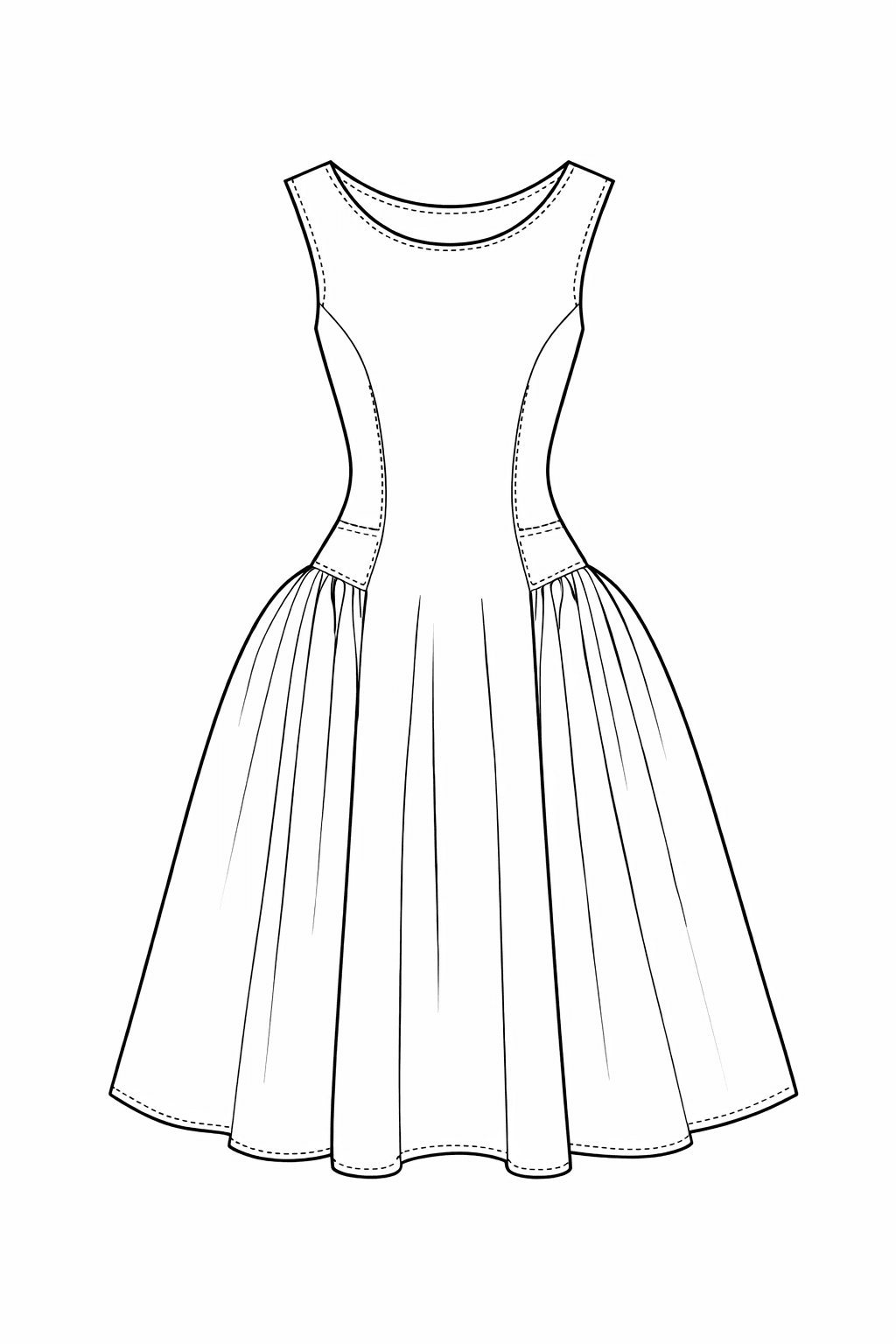
Explore the design
Develop the shape of the garment itself — not just a graphic placed on a premade shirt. Create different versions before deciding which direction works best.
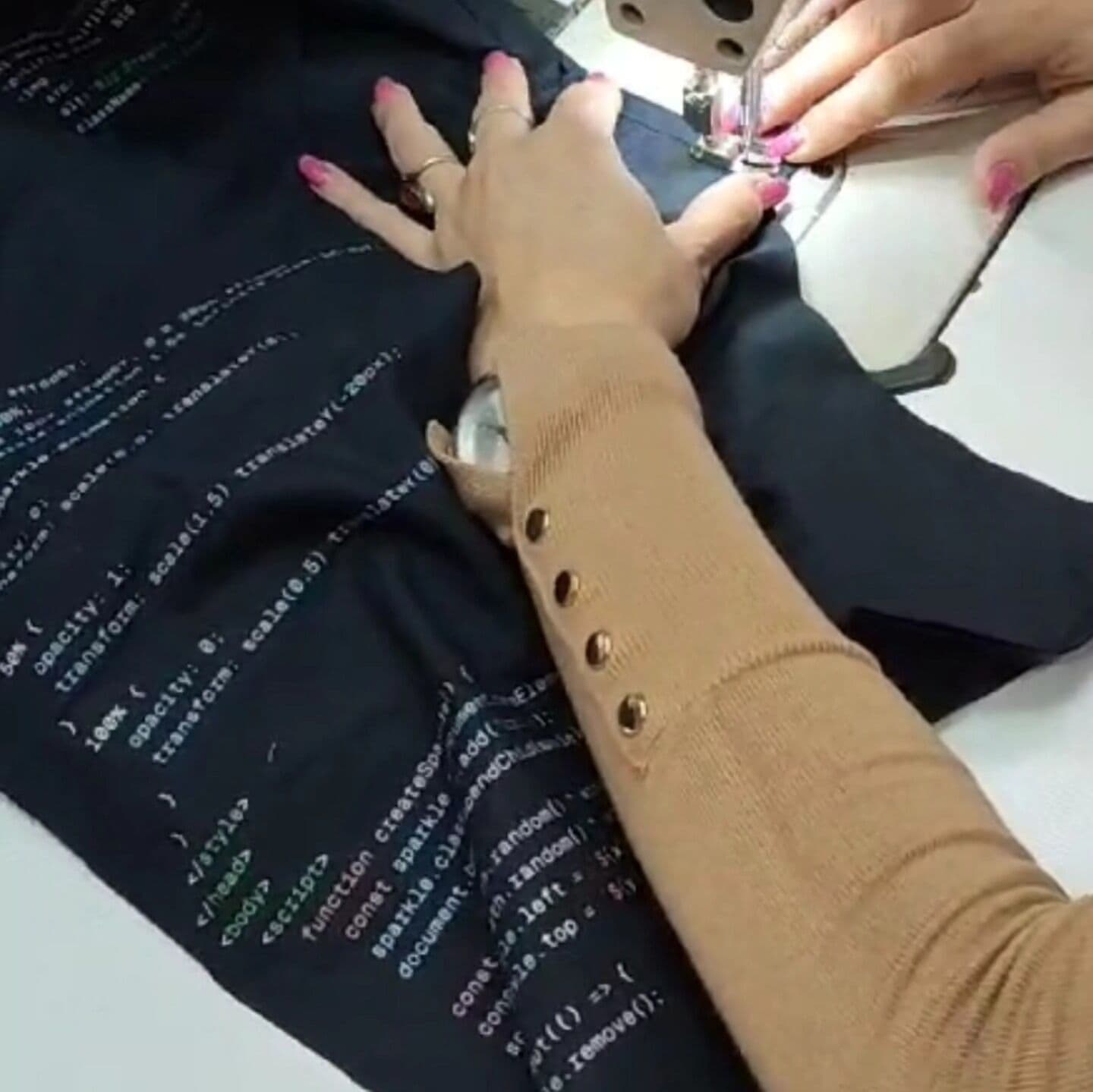
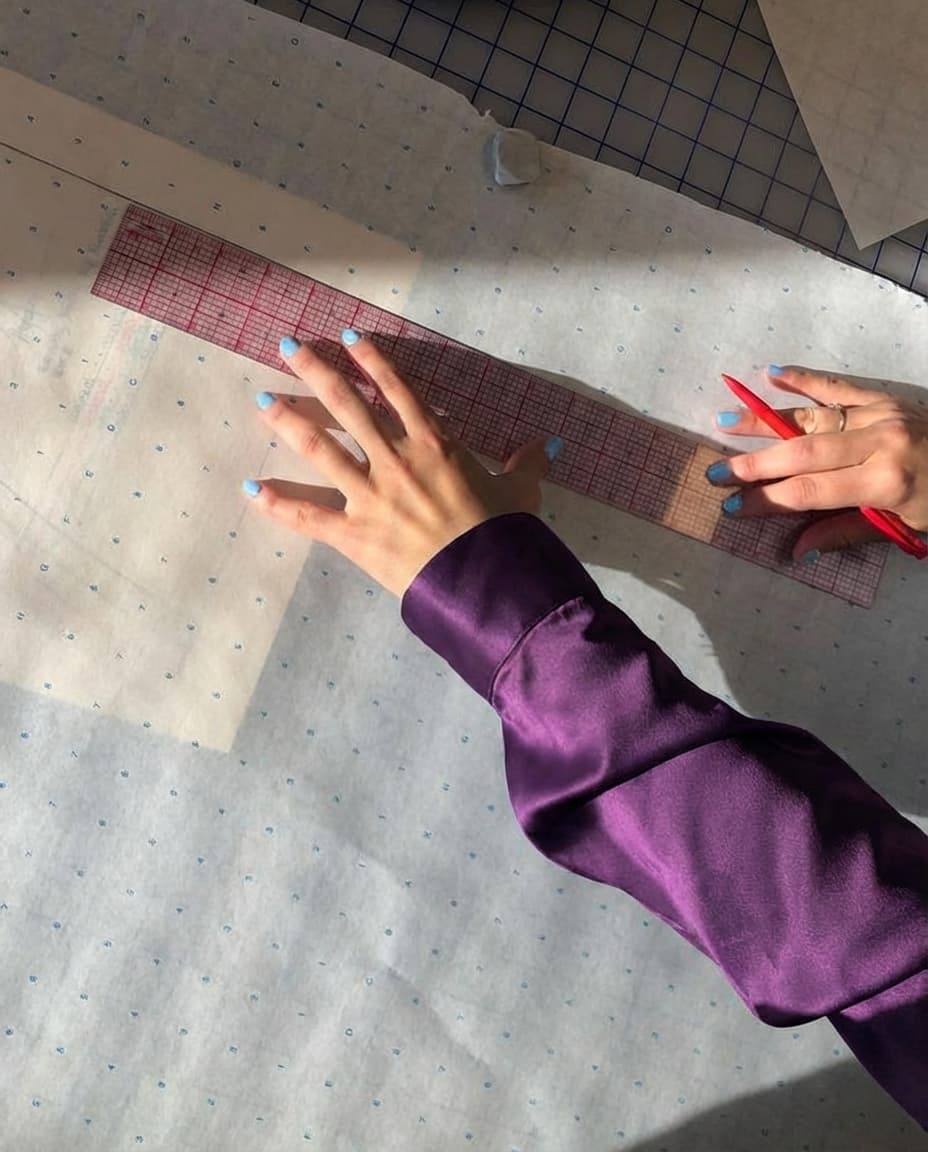
Think about how it will be made
A beautiful image is only the beginning. MadeApt helps turn the visual concept into a clearer brief a tailor or artisan can understand — and when part of a design would be difficult to sew, we help find a workable version without losing the original idea.
A real garment also needs:
Design for a real body
Your design does not have to be created around a standard sample size. If the garment is going to be made, you can add the wearer’s measurements and consider how the proportions should work for their body.
This is an opportunity to think beyond a mannequin and design for people who may be:
Request a one-off garment
You do not need to launch a fashion label or order a production run. When the design is ready, request a quote to have one garment made — you’ll receive the relevant information before production begins.
The final cost depends on factors such as:
Who is MadeApt for?
High school textiles & design students
Explore ideas for a textiles, design, visual arts or technology project. MadeApt can help you think through the connection between your initial concept and the practical requirements of a wearable garment.
TAFE and university fashion students
Develop a portfolio concept, experiment with silhouette and fit, or explore how a garment could move from visual design toward construction.
Emerging designers
Turn an early design into a clearer brief or one-off sample before considering a larger collection.
Creative technology students
Explore the meeting point between digital design, fashion, human craft, measurements and real-world production.
Self-taught designers
You do not need to be enrolled in a fashion course. MadeApt can also be used by anyone teaching themselves about clothing design.
Students from other creative disciplines
Architecture, performance, costume, art, engineering and technology projects can all lead to interesting garment ideas.
Design the garment — not only the print.
Many online clothing design tools allow you to add text, artwork or a logo to an existing blank product. MadeApt is different — you can explore the garment itself:
Use AI — or do not.
Technology can help you quickly explore different visual directions, but it does not have to replace your own creative process. AI is optional. You can begin with:
When working on an assessed project, always follow your school or institution’s rules about AI and clearly document which tools you used.
Learn through the process.
These decisions are part of what turns a fashion image into a garment. Through the process, you can begin exploring questions such as:
What to prepare for your fashion design project.
Your initial concept
Write one or two sentences explaining what you want to create.
Visual references
Collect sketches, colours, textures, silhouettes, garments, artworks or objects that communicate the direction.
The intended wearer
Consider who will wear the garment and how it should work for their body.
The purpose
Is it for everyday wear, a performance, an event, an exhibition, a portfolio or a class assignment?
The silhouette
Think about the overall shape before focusing on small details.
Fabric direction
Consider how structured, soft, transparent, heavy, light or breathable the garment should feel.
Construction details
Think about openings, seams, pockets, closures, lining and support.
Measurements
If the piece will be made, accurate body measurements will be needed.
Your deadline
Allow time for design development, fabric sourcing, communication, construction and finishing.
Your budget
A highly embellished couture garment needs a different budget from a simple cotton skirt. Knowing the approximate budget helps shape a design that is both exciting and realistic.
Build a stronger fashion portfolio.
Showing how your thinking evolved can communicate more about you as a designer than presenting one polished render without any process behind it. Consider documenting:
- 01Your original idea
- 02Research and references
- 03Early sketches
- 04Different design versions
- 05Fabric exploration
- 06Feedback and design changes
- 07Fit and measurement considerations
- 08Construction challenges
- 09The final garment brief
- 10The finished piece, when produced
- 11What you would change in a future version
Fashion should not begin with one standard body.
Students are often introduced to fashion through standard mannequins and sample sizes. MadeApt encourages a different starting point:
Who is this garment for, and what does their body need from the design?
That might mean changing the balance of a dress for a fuller bust, adjusting the rise of trousers, designing for a petite frame, adding adaptive fastenings or creating a modest version of a silhouette.
The body is not a problem for the design to correct. The design should work for the body.
A digital studio connected to human craft.
Technology can help communicate and develop the idea, but the garment itself is created through fabric, patternmaking, cutting, sewing, fitting, pressing and finishing.
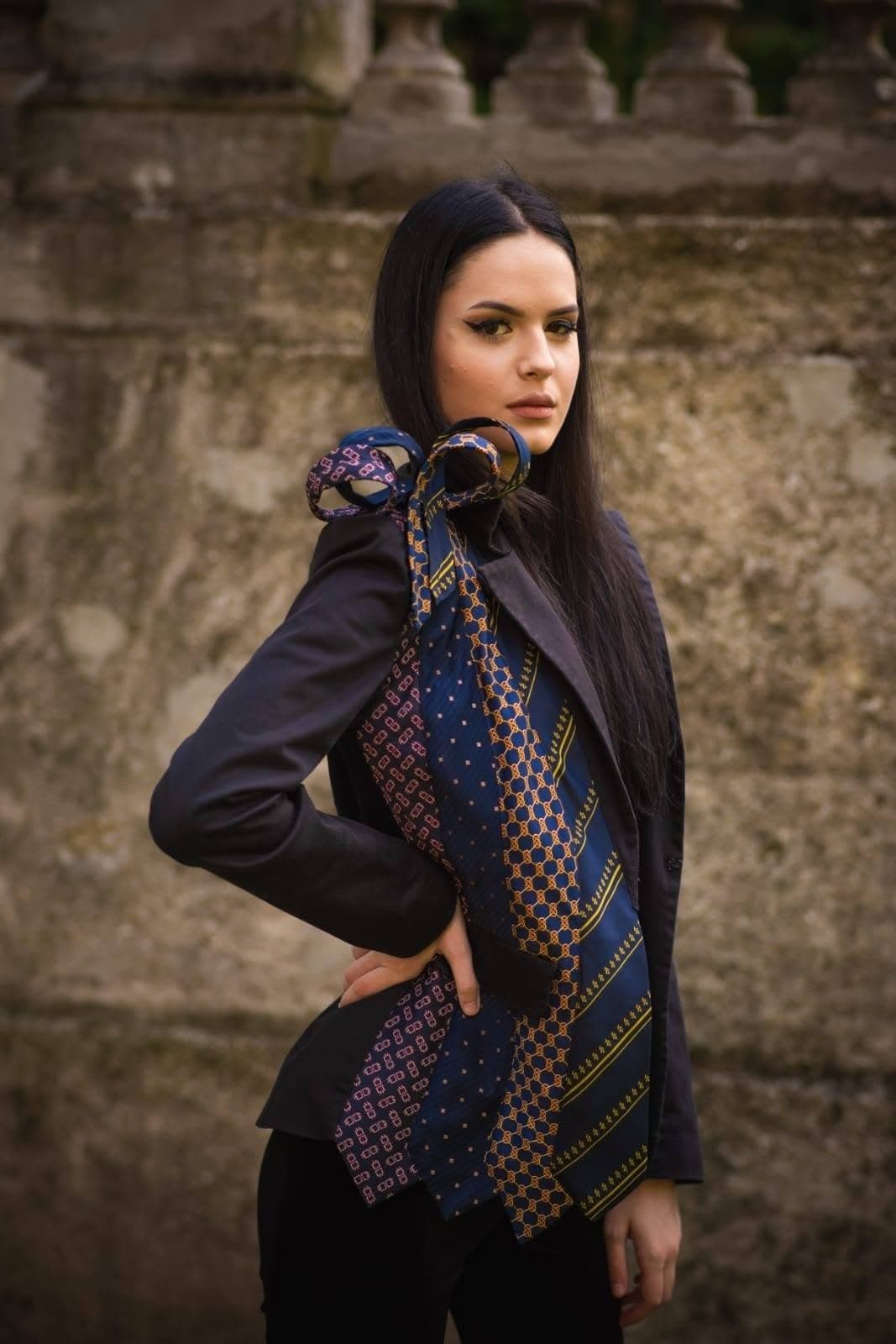
One-off pieces that started as ideas.
Tap any piece to view it full size.
Frequently asked questions
git commit -m "the garment I wish existed"
Your first design can begin with one sentence.
You do not need a collection, a clothing label, or a finished technical drawing. Start with the garment you wish existed — MadeApt can help you explore the idea, understand what it needs and move it closer to something real.
MadeApt is a Perth-founded custom clothing platform and global tailoring collective. Garments are made to order by skilled tailors and artisans rather than mass produced.