custom embroidered
clothing.PART OF THE GARMENT · NOT AN AFTERTHOUGHT
Create custom clothing with embroidery that belongs to the design. MadeApt helps you develop one-off embroidered dresses, shirts, jackets, uniforms, occasionwear and other garments using your own ideas, references, colours and measurements. Your embroidery may be delicate and minimal, bold and dimensional, decorative, symbolic or deeply personal — developed together with the garment so the placement, fabric, scale and construction work as one design.
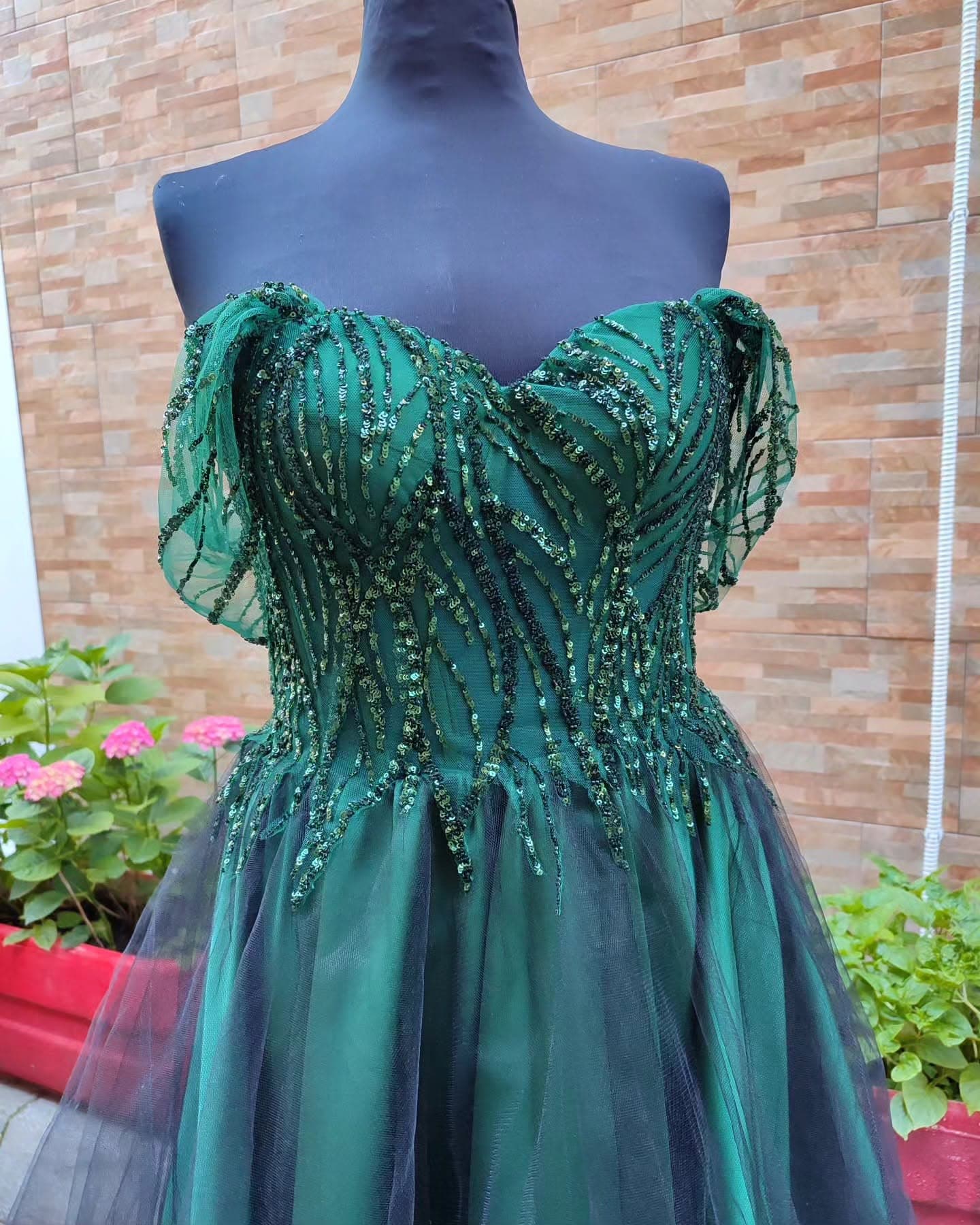
Begin with the meaning, image or garment you have in mind.
The embroidery and the garment are developed together. Start with:
You design the garment as well as the embroidery.
Many embroidery services begin with a premade polo, cap, shirt or jacket and add a logo to it. MadeApt offers a different approach — the embroidery is considered before the garment is cut and sewn. That may include changing:
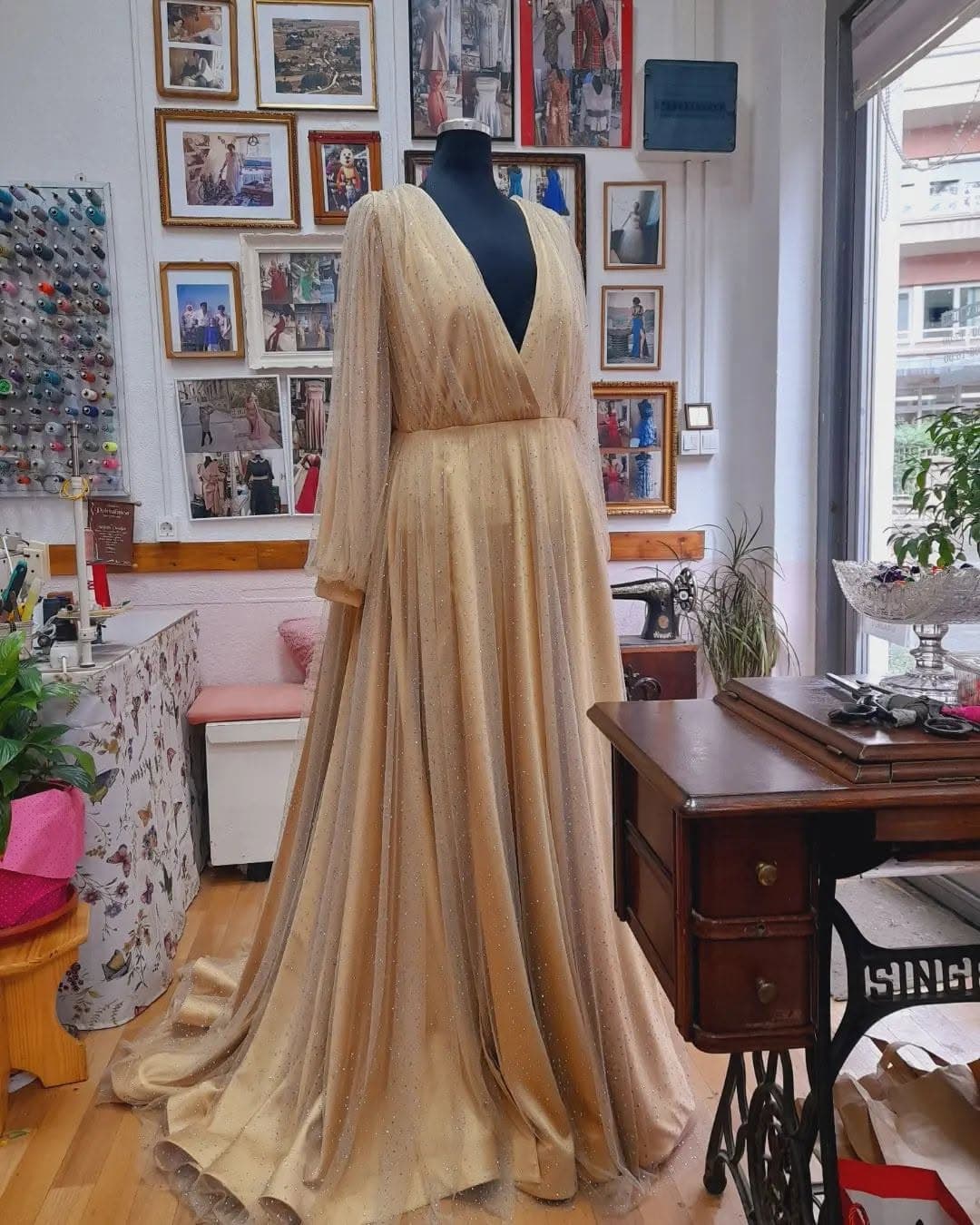
Custom embroidered dresses.
You can begin with an existing MadeApt design or bring your own concept. The embroidery may be the main feature — or a subtle detail discovered only when the garment is seen closely. MadeApt can help develop:
It doesn’t need to sit in the centre of the chest.
Placement affects how the design moves, how it frames the body, and how practical it is to construct. Depending on the garment and fabric, embroidery may be placed around:
Embroidery around a neckline may need to follow a curved pattern piece, while embroidery near a seam may need to be completed before the garment is assembled. MadeApt helps consider these details during the design process.
Meaning, without relying only on initials.
The final design may be literal, abstract, or reduced into a simpler embroidered form. You might include:
Not every drawing can be reproduced stitch for stitch. Fine detail may need to be simplified so it remains clear, stable and suitable for fabric.
Soft and romantic, minimal and modern — or sculptural.
Flowers may be scattered lightly across a garment, concentrated around a neckline or hem, or arranged into a larger composition — designed for the garment rather than treated as a separate decorative layer. Possible directions include:
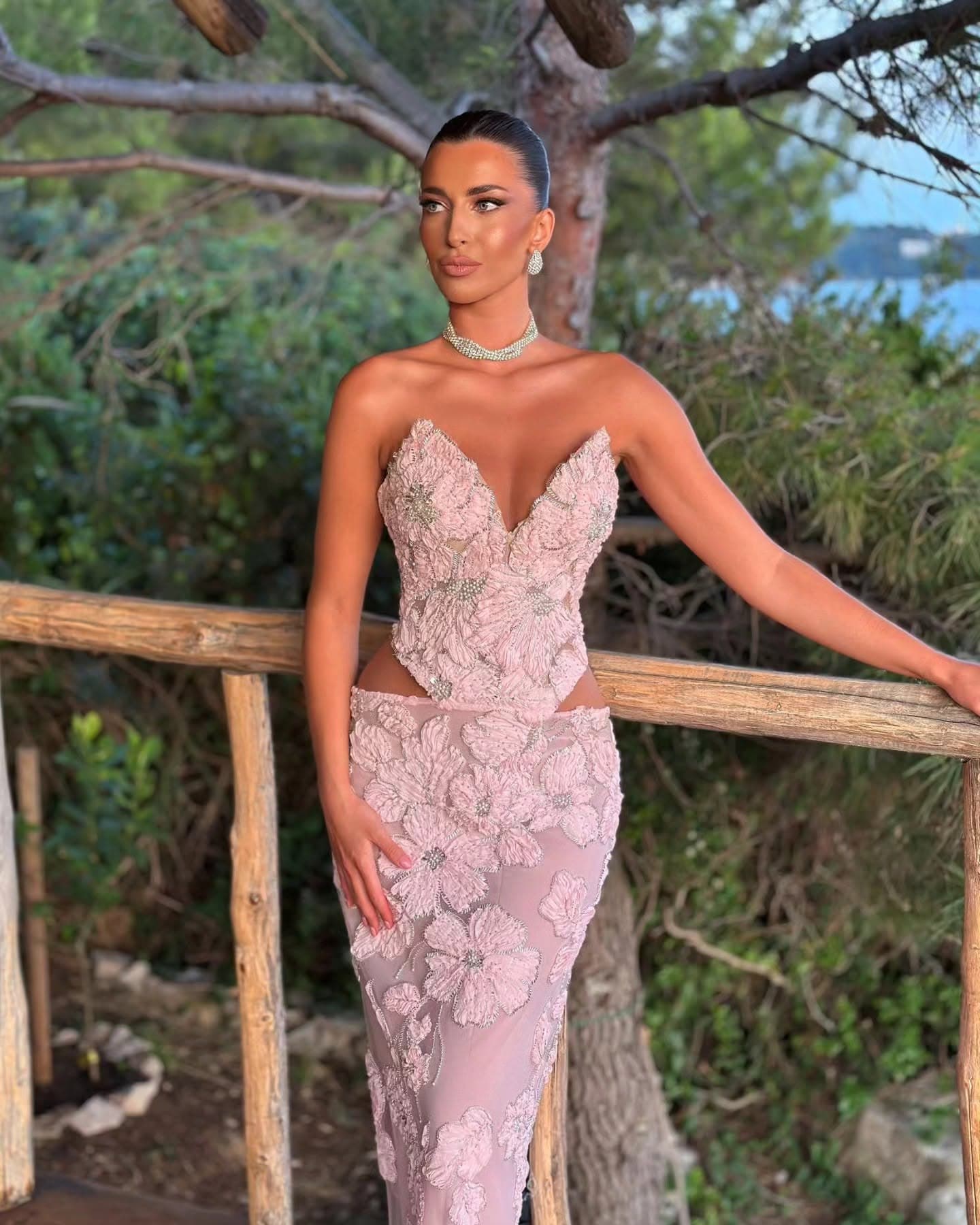
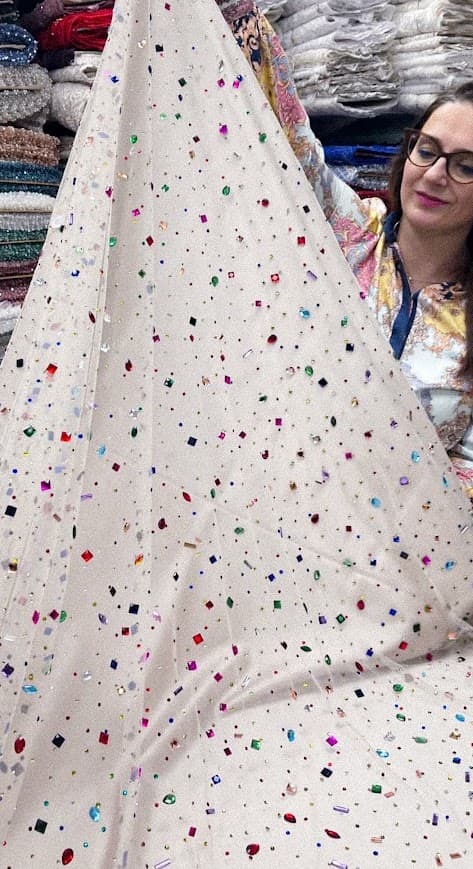
Personal — without requiring an entirely traditional gown.
The design can be visible and decorative, or placed discreetly as a private detail. Ideas may include:
For wedding garments, contact MadeApt as early as possible — detailed embroidery, fabric sourcing, sampling and construction can require significant time.
Visual interest, with the coverage you want preserved.
Embroidery may be positioned around the neckline, cuffs, sleeves, front opening or hem — and coverage, opacity, lining and fastening preferences are discussed as part of the design. MadeApt can help develop:
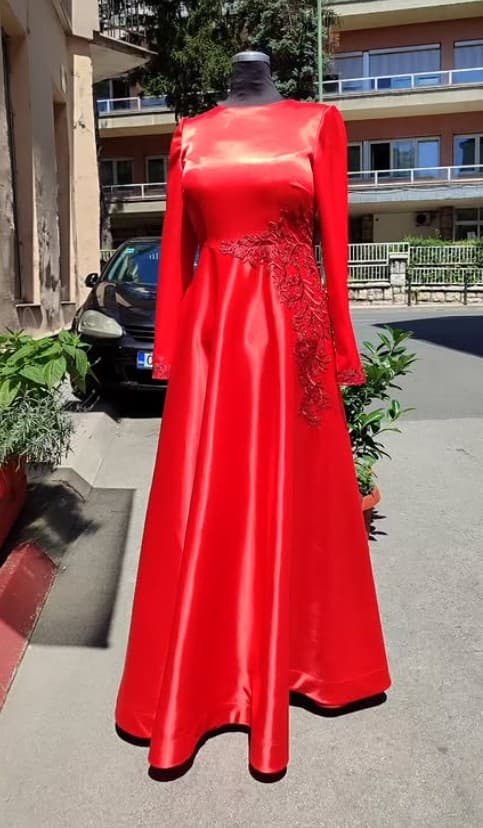
Clothing shaped around your brand — not a catalogue.
Rather than selecting only from standard workwear, a business can explore embroidered clothing of its own. MadeApt may assist with custom garment concepts for:
That may include:
For larger quantities, feasibility, consistency, production method and timing are assessed before an order is confirmed.
Both can be beautiful. They suit different projects.
Hand embroidery
Created stitch by stitch by a person. Highly labour-intensive — it may take longer and cost more, and small variations are part of the handmade process. It can suit:
Machine embroidery
Created using a programmed embroidery machine. Artwork generally needs to be converted into an embroidery file first — a process called digitising, which determines stitch direction, order, density and underlay. It can suit:
Some projects combine techniques — the best approach depends on the design, fabric, quantity, budget and intended result:
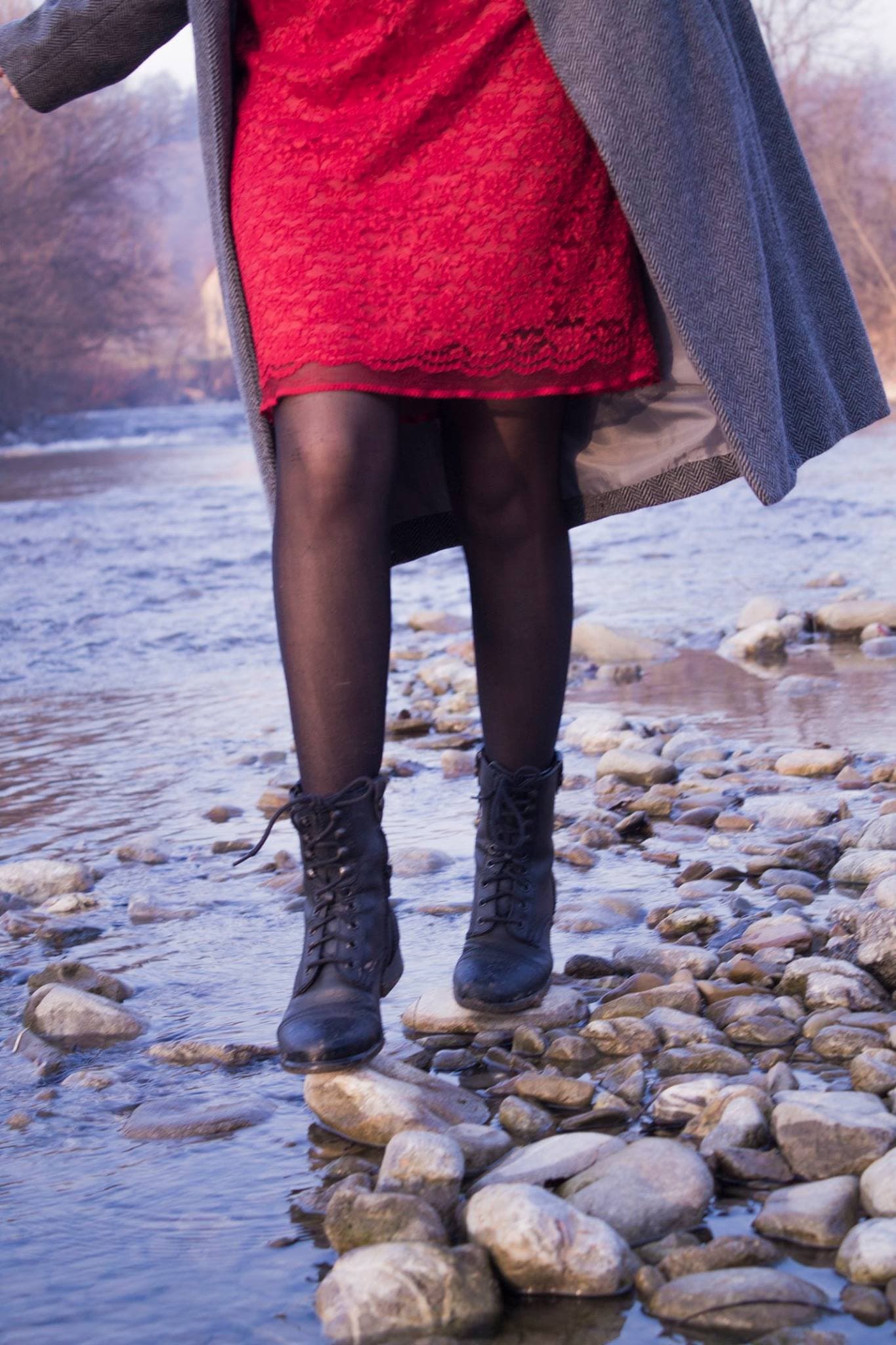
Thread draws. Appliqué builds.
Embroidery creates a design primarily with thread and stitches; appliqué attaches shaped pieces of fabric, lace or other material onto the garment — useful for large shapes, textured flowers, or motifs too dense to stitch entirely. A design may use:
Many can — but they don’t all behave the same way.
The fabric is considered alongside embroidery density, motif size, thread weight, stabilisation, placement, stretch, transparency and the weight of any beads or appliqué.
Embroidery is not weightless.
A large or dense design can change the drape, flexibility, transparency, texture, weight, comfort and care of a garment — which is why placement is considered early:
Preserve the character. Translate it into thread.
You may begin with:
A design that looks clear on a screen may not remain clear when reduced to thread — adaptation can include:
Embroidery often carries cultural, artistic or personal meaning.
Before using artwork, motifs or patterns, make sure you have permission to reproduce them. This is especially important when working with:
MadeApt may ask for information about the origin of artwork or your permission to use it. We can also help develop an original design inspired by a broader feeling, story, colour palette or environment — without directly copying protected work.
A motif centred on a flat sketch may not be centred on you.
Placement looks different depending on garment size, bust position, shoulder width, torso length, waist placement, garment and sleeve length, proportions, and how the garment moves. Made-to-measure construction lets placement and measurements be considered together:
How custom embroidered clothing works.
Share your garment idea
Start with an existing MadeApt design or send us your own sketch, reference image, moodboard or written description — what garment you want, where you imagine the embroidery, your colours, your event or deadline, and your approximate budget.
Share your embroidery reference
Upload the artwork, handwriting, logo, motif or inspiration. If you don’t have finished artwork, describe the idea and provide references that communicate the direction.
Develop the design
We help clarify the silhouette, fabric, embroidery placement, motif scale, thread colours and construction — and whether hand embroidery, machine embroidery, appliqué or another technique suits the project.
Confirm measurements
If the garment will be made to measure, you receive instructions for the measurements required. The exact measurements depend on the garment.
Review feasibility & pricing
The design is reviewed by an appropriate maker or embroidery specialist. You receive a quote, or an explanation of what needs to change before the project can proceed.
Approve the direction
Depending on the project, you may review artwork, placement, thread colours, fabric, scale, a digital mock-up, or a physical test section. Not every project requires every approval.
The garment is made
The embroidery and garment are produced in the order the construction requires. Some embroidery is completed before assembly; other details are applied later by hand.
Quality checking & finishing
Where applicable, garments are checked, pressed, steamed and carefully packaged before being sent to the customer.
Priced by the actual project — not only the garment type.
A small machine-embroidered initial requires far less work than a hand-embroidered floral design extending across an entire dress. Factors may include:
Timing depends on the same variables — artwork preparation, technique, complexity, fabric availability, sampling, maker availability and the amount of handwork. For weddings, formal events, performances and other fixed dates, begin the conversation as early as possible. MadeApt provides project-specific information before production begins.
You don’t need a large production quantity.
Machine embroidery involves initial artwork and digitising costs, which become more economical when a design repeats; hand embroidery is priced by the time each garment requires. MadeApt can explore:
The embroidery is not created by an image generator.
Technology helps you explore ideas, communicate placement and review directions. The garment itself is made through patternmaking, cutting, stabilising, digitising, embroidery, appliqué, sewing, fitting, pressing and hand finishing — it must be interpreted in thread, fabric and construction by skilled people.
Frequently asked questions
Create something that could only belong to you.
Embroidery can make a garment decorative. It can also make it personal — it can hold:
MadeApt is a Perth-founded custom clothing platform and global tailoring collective. Garments are created to order by skilled tailors, embroiderers and artisans using each customer's design brief and measurements.