is designing clothes with AI ethical?
judge the system, not the tool
The short answer
It depends on the system around it. AI fashion design is ethical when it helps people design intentionally, reduces waste, and supports skilled human makers. It is unethical when it copies artists, replaces makers, or fuels overconsumption. The tool is neutral; the system it serves is not.
I run a company that uses AI in fashion, so I have an obvious interest here. That is exactly why I want to answer this properly instead of hand-waving it. I built MadeApt around a network of tailors and artisans — people whose skill is the whole product — and I think about this question constantly.
The fashion industry already has an ethics problem.
Before we talk about AI, we need to be honest about the baseline. Fashion’s dominant model is linear: make too much, sell fast, discount hard, dispose quietly, repeat.
92M tonnes
of textile waste produced globally every year — a garbage truck of clothing landfilled or burned every second (UNEP, 2025)
2×
clothing production doubled between 2000 and 2015, while the time garments are actually used dropped by 36%
55 items
of clothing bought per Australian in 2024 — 1.51 billion items nationally (Seamless Australia)
220,000 t
of clothing textiles sent to landfill by Australians in a single year
This is not only a style problem. It is a design problem, a fit problem and a culture problem. When clothing is made in bulk for a hypothetical average body, before anyone knows whether people want it, waste is built into the system. Any honest conversation about AI ethics in fashion has to start from that baseline, not from an imagined ethical status quo that AI might spoil.
How can AI make fashion worse?
AI can absolutely be used badly, and it already is. It can:
That version of AI fashion deserves criticism, and it should not be defended just because the technology is impressive.
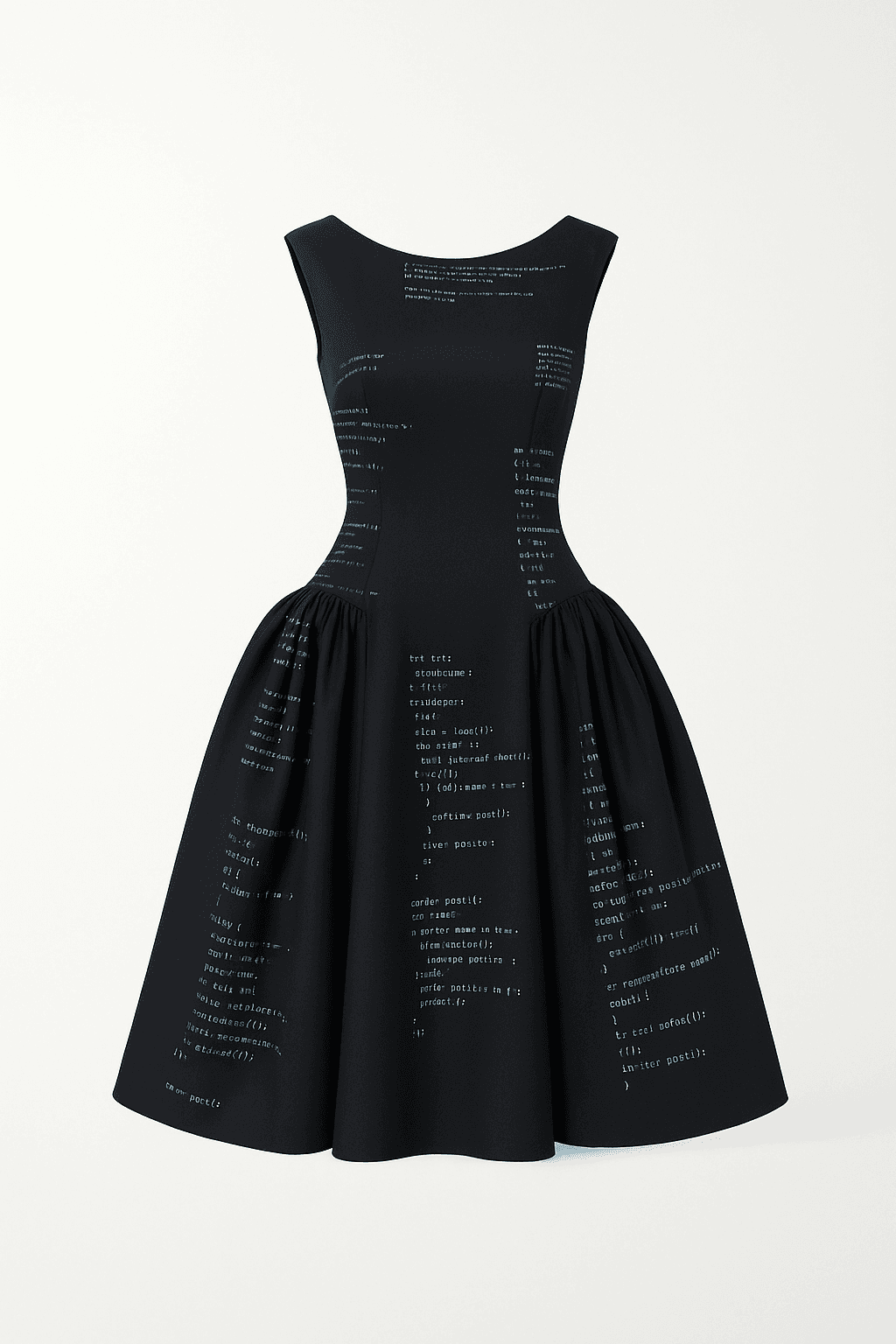
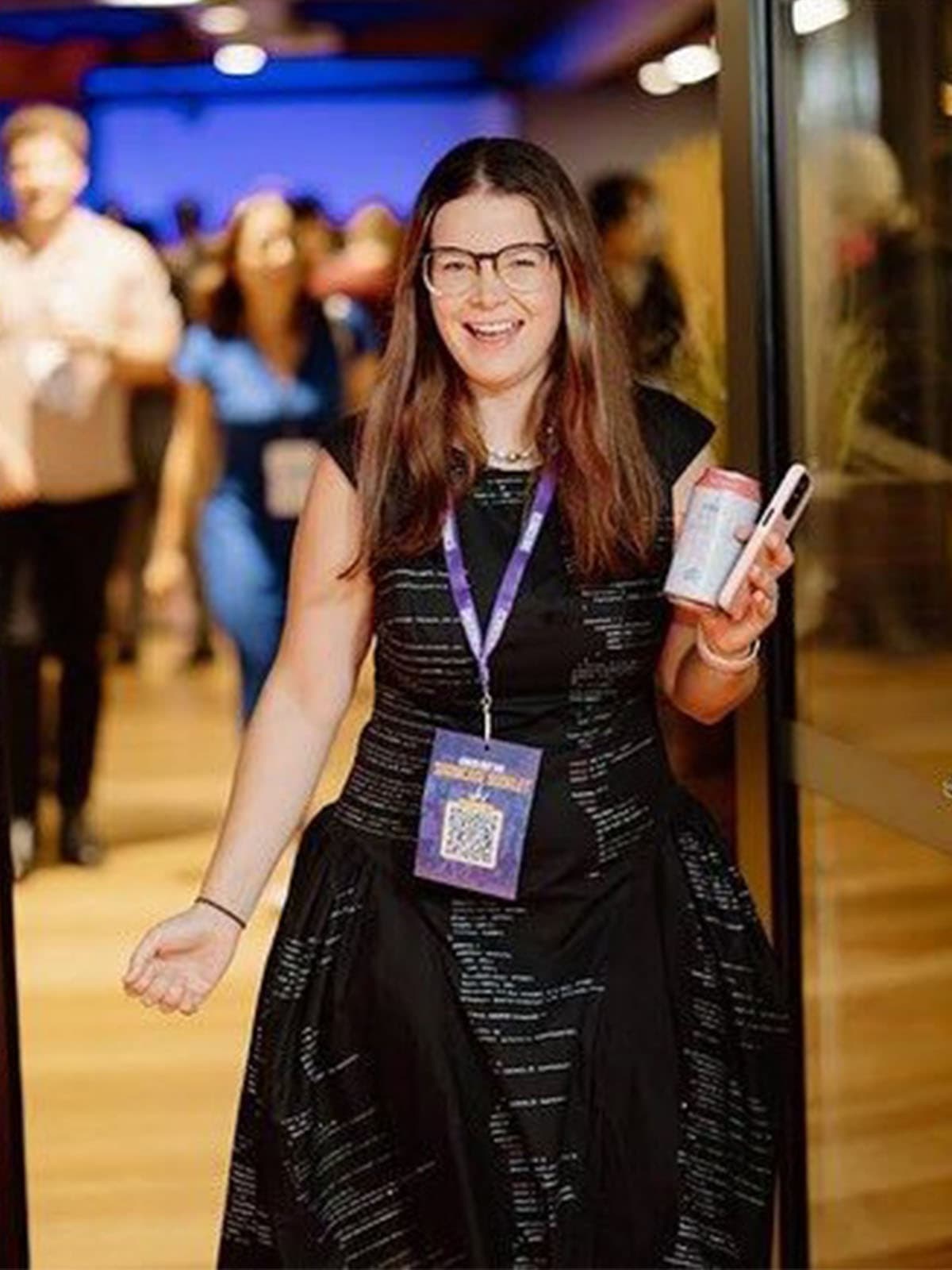
How can AI make fashion more ethical?
The genuinely useful promise of AI in fashion is not speed — it is clarity. AI can help someone who is not a trained designer explain what they actually want: to test a silhouette before committing to fabric, to turn a vague feeling like “strong but soft, structured but romantic” into a concrete design direction, and to communicate that direction clearly to a maker.
This matters because a large share of fashion waste begins before a garment is ever made. It starts when customers do not know what they want, when brands guess, and when people settle for the closest available compromise. Design exploration used to require money, fashion literacy or access to a designer. AI opens that process up — and when people have the language of design, they make more deliberate choices.
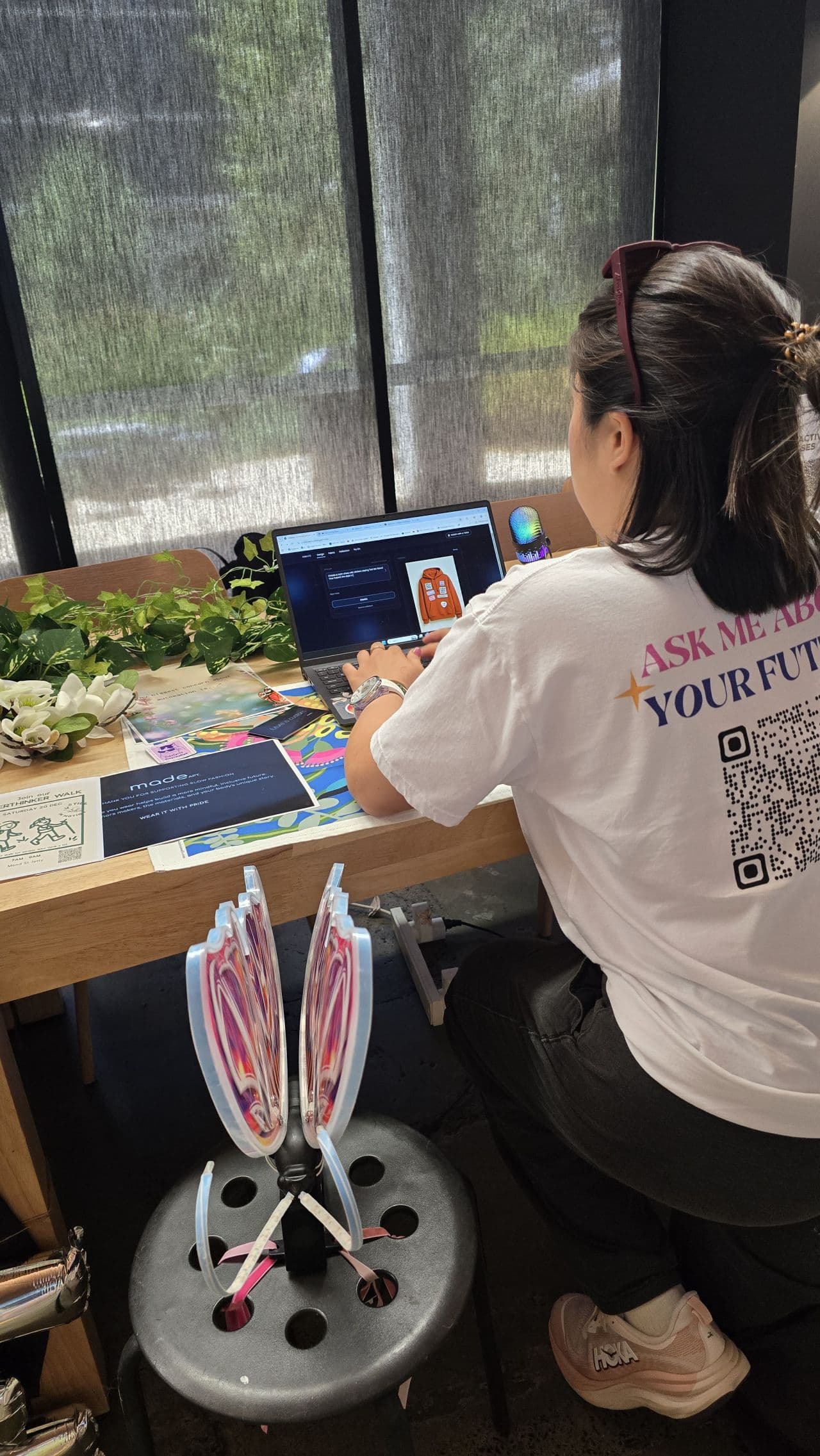
Designing before producing
Can AI support circular fashion?
The Ellen MacArthur Foundation describes circular fashion as a system where garments are designed to last, be repaired, stay in use, and eventually re-enter material streams. AI does not create that system on its own, but it can support the behaviours circular fashion depends on: designing before producing, testing ideas before cutting fabric, making garments on demand rather than in speculative bulk, and shrinking the gap between what a customer expects and what arrives.
A garment made because someone deeply wanted it has a far better chance of being loved. And loved clothing is hard to throw away.
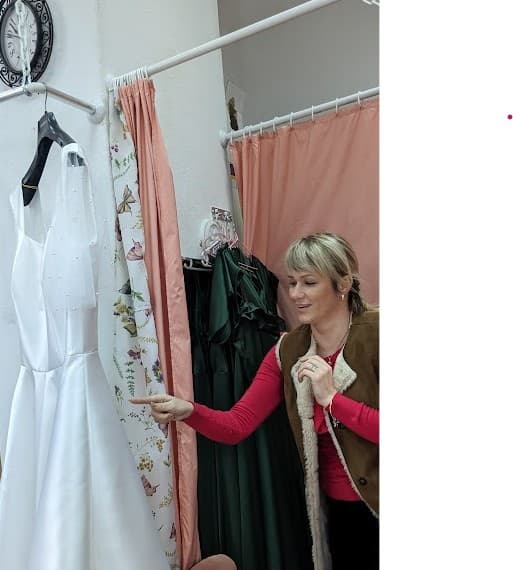
The making is human
Does AI replace human makers?
No, and it should not try. AI cannot feel how linen collapses on a body, how satin catches light, or how a waistband behaves after three hours of sitting. It cannot replace the judgement of a tailor who knows when a sketch is beautiful but impossible, when a sleeve needs more ease, or when a shape only works if the fabric has enough structure.
A generated image is not a garment. A garment is pattern, fabric, labour, fit, cutting, sewing, pressing and finishing. At MadeApt, AI handles inspiration, visualisation and communication — the making is done by real human hands, and the makers are paid for their skill, not hidden behind it.
If a platform uses AI imagery while obscuring who actually makes the clothes, that is a red flag regardless of how good the renders look.
AI can bring in people fashion has excluded.
One under-discussed ethical upside: participation. Fashion has long implied you need the right body, budget, vocabulary or city to take part. AI-assisted design tools let someone describe a dream garment without being able to sketch, and let someone ignored by standard sizing start from their own body instead of treating it as the problem to be worked around.
That is not vanity — that is agency, and extending it more widely is an ethical gain in its own right.
So — is designing clothes with AI ethical?
Judge the system, not the tool. AI fashion is more ethical when it:
It is less ethical when it:
The future worth building is not AI instead of humans. It is imagination plus skill: design tools that help people dream, and real makers who bring those dreams into the world. If you want to see what that looks like in practice, start a design in the MadeApt studio or meet the makers who bring designs to life.
Frequently asked questions
git commit -m "imagination + skill"